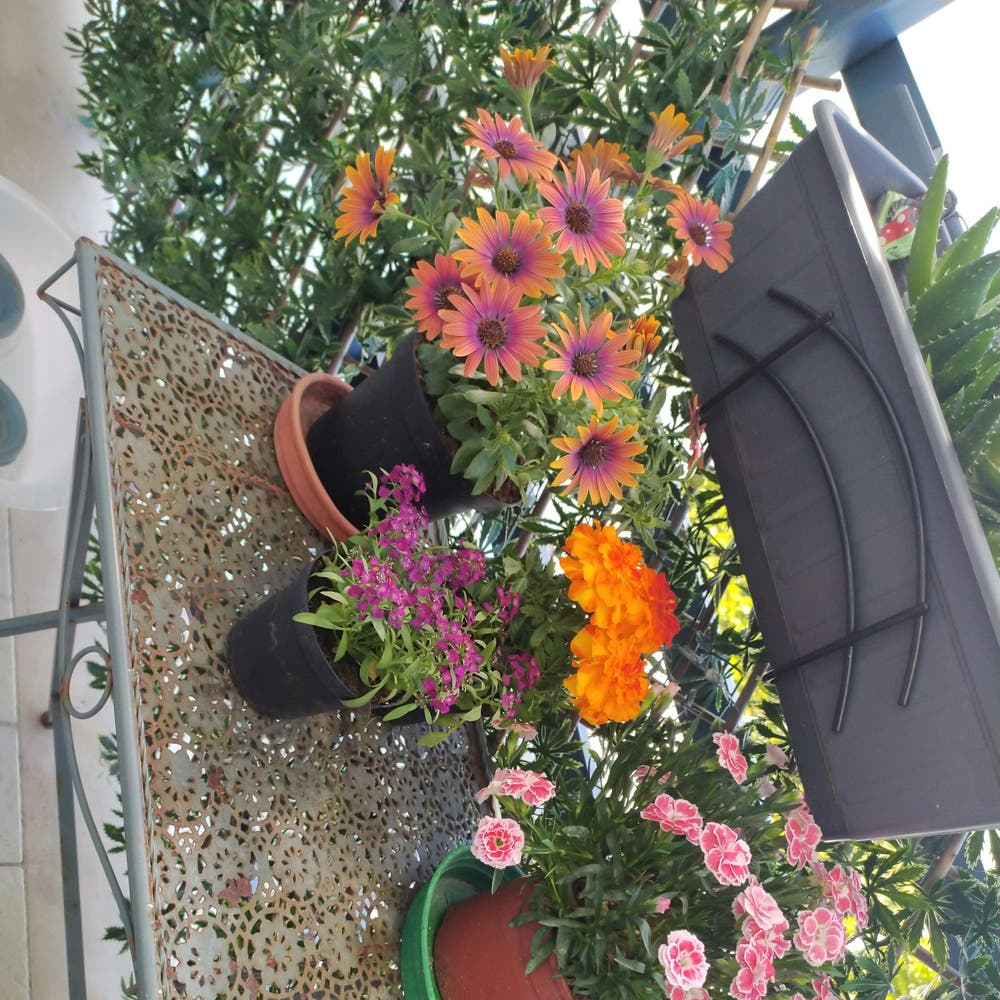
Why Are My Sweet Alyssum Leaves Droopy?
Lobularia maritima
By the Greg Editorial Team
Jun 08, 2024•7 min read
This article was created with the help of AI so we can cover more plants for you. May contain errors. See one? Report it here.
- Over/underwatering causes droopiness, let soil dry slightly between waterings.
- Improve soil with organic matter for better drainage and nutrients.
- Bright, indirect light and 60-75°F keep Sweet Alyssum leaves perky.
Identifying and Correcting Watering Issues
💧 Signs of Overwatering and Underwatering
Overwatering can turn Sweet Alyssum leaves into a soggy mess. Look out for yellowing leaves, a sign of waterlogged roots gasping for air. On the flip side, underwatered plants throw a fit with wilted, dry leaves begging for a drink.
🚰 Steps to Adjust Watering Practices
To avoid drowning your Sweet Alyssum in kindness, let the soil dry slightly between waterings. Underwatered plants need a slow, deep watering—think of it as a leisurely spa day for the roots. Room temperature water is your friend here; don't shock your plants with a cold splash.
For Container Plants
Check the soil daily. If it's dry two inches down, it's time to water. If your container turns into a desert too fast, consider a repot with better moisture retention.
For In-Ground Plants
Aim for 1 inch of water weekly. If your Sweet Alyssum is throwing a droopy tantrum, adjust your watering schedule, not your life.
💡 Pro Tip: Drainage is Key
Ensure your plant's home isn't a swamp. Excellent drainage is non-negotiable to prevent root rot. If you're overwatering, take a break and let the soil breathe. If underwatering, commit to regular, thorough waterings. Remember, consistency is the secret sauce for happy, perky leaves.

Improving Soil Conditions for Healthy Leaves
🌱 Soil Drainage and Aeration
Soil quality is non-negotiable for Sweet Alyssum's perkiness. If your plant's leaves are drooping, it might be throwing a fit over poor drainage. Compacted soil is a no-go; it's like putting your plant in skinny jeans two sizes too small. Aerate that soil! Mix in some perlite or peat moss to give those roots the breathing room they crave.
🌿 Soil Amendments
Think of soil amendments as a spa treatment for your plant's bed. If the soil is too dense, it's time for an intervention. Amend with organic matter to strike that just-right balance between nutrient-rich and well-draining. Your Sweet Alyssum will thank you with upright, happy leaves.
🌱 Repotting Tips
When your Sweet Alyssum's roots are more cramped than a clown car, it's repotting time. Choose a pot with drainage holes—no exceptions. Use fresh, high-quality potting mix and be gentle with the roots. Remember, it's a transplant, not an eviction. Leave a couple of inches between the soil line and the pot's rim for easy watering.
🌿 Root Health
Roots are the hidden heroes. If they're struggling, your plant's leaves will droop like a disappointed parent. Ensure your Sweet Alyssum's roots have the right mix of moisture and air. Overwatering is the fast track to root rot, so let the topsoil dry out before giving it another drink. When in doubt, stick your finger in the soil; if it's damp, hold off on the waterworks.
🌱 Monitoring and Adjusting
Keep a close eye on your Sweet Alyssum. If the leaves start to droop, don't just water on autopilot. Check the soil first. Adjust your care routine based on what you find. It's all about that perfect balance, like a barista crafting the ideal cappuccino foam. Too much or too little of anything, and you'll end up with a sad, droopy plant.

Managing Light and Temperature Stress
🌞 Identifying Light and Temperature-Related Droopiness
Sweet Alyssum thrives in moderate conditions, but when leaves droop, it's a signal that something's off. Too much direct sunlight can scorch leaves, causing them to wilt, while too little can weaken the plant, resulting in leggy stems and droopy foliage. Similarly, temperature swings can stress your Sweet Alyssum, leading to droopy leaves. Heat stress often manifests as wilted or yellowing leaves, whereas cold stress can leave leaves dark and mushy.
🌅 Creating Ideal Growing Conditions
To prevent droopy leaves caused by light and temperature stress, aim to provide your Sweet Alyssum with bright, indirect sunlight. If outdoor conditions are too harsh, consider using a sheer curtain to diffuse direct sunlight. In terms of temperature, Sweet Alyssum prefers a range of 60-75°F (15-24°C). During hot summers, provide shade during the peak hours to prevent overheating. Conversely, protect your plants from frost by bringing them indoors or covering them during cold snaps.
Light Adjustments
If your Sweet Alyssum is reaching for the light or appears bleached, it's time to adjust its position. Move it to a spot where it can enjoy its preferred light without the drama of a sunburn or the gloom of a shaded corner.
Temperature Tweaks
Keep your Sweet Alyssum away from drafty windows and heat sources to avoid temperature stress. If you're dealing with high heat, mulching can help keep the soil cool, while during colder months, a layer of frost cloth can provide extra warmth.
🌡 Monitoring and Adapting
Regularly check your Sweet Alyssum's leaves for signs of light or temperature stress. Be ready to adapt your care routine as the seasons change, ensuring your plant remains in its comfort zone. Remember, a happy Sweet Alyssum is one that's not too hot, not too cold, but just right.

Addressing Nutrient Deficiencies
💡 Recognizing Signs of Deficiency
Sweet Alyssum leaves can broadcast distress signals when lacking nutrients. Yellowing leaves often point to a nitrogen shortage, while stunted growth may indicate a lack of phosphorus. If the foliage takes on a pale appearance, particularly between the veins, this could be a cry for magnesium or calcium.
🍽️ Fertilization Strategies
Balanced fertilization is the key to correcting these deficiencies. Opt for a granular or liquid fertilizer with a lower nitrogen content, as Sweet Alyssum favors phosphorus for blooming. An NPK ratio such as 0-10-10 is ideal. Apply at half the recommended dose to avoid nutrient burn, and ensure granules are watered in well.
🌱 Soil Amendments
Incorporate organic matter like compost or manure to improve soil fertility. These amendments not only provide nutrients but also enhance soil structure, promoting better root health and water retention.
🍃 Foliar Feeding
For a quick fix, consider foliar feeding. This method delivers nutrients directly to the leaves, addressing deficiencies rapidly. However, this is a temporary solution and should complement soil fertilization.
🛡️ Safety Precautions
Always don protective gloves and a mask when handling chemical fertilizers. Follow the label's directions to the letter—over-fertilization can be just as harmful as deficiency.
👩🌾 Pro Tips
- Monitor regularly for signs of nutrient deficiency.
- Adjust fertilization based on the plant's growth stage; flowering plants have different needs.
- Remember, more is not always better. Over-fertilization can lead to salt buildup and root damage.
Proactive Measures to Maintain Vigorous Foliage
💪 Routine Care Tips
Consistency is key in preventing droopy leaves in Sweet Alyssum. Regular care routines establish the foundation for a thriving plant.
- Inspect your Sweet Alyssum regularly for early signs of stress, such as yellowing or wilting leaves.
- Deadheading spent flowers not only tidies up the plant but also encourages further blooming.
- Pruning can rejuvenate an overgrown Sweet Alyssum, promoting new growth and airflow through the foliage.
- Watering should be done when the soil feels dry to the touch, avoiding both overwatering and underwatering.
🚨 Early Intervention Strategies
Act swiftly at the first hint of trouble to maintain plant vitality.
- Fertilization: Apply a balanced, water-soluble fertilizer monthly for container plants, and sparingly for in-ground plants unless the soil is poor.
- Pest Control: Keep an eye out for pests like cyclamen mites. Use neem oil or insecticidal soap at the first sign of infestation.
- Overwintering: In colder climates, protect your Sweet Alyssum with frost cloth or bring containers indoors.
- Re-seeding: Allow your plant to self-seed by leaving some spent flowers in place, ensuring a new generation of growth in the spring.
By adhering to these proactive measures, your Sweet Alyssum should remain robust and less prone to droopiness.
⚠️ Safety First
This content is for general information and may contain errors, omissions, or outdated details. It is not medical, veterinary advice, or an endorsement of therapeutic claims.
Always consult a qualified healthcare professional before using any plant as food, medicine, or supplement.
Never eat any plant (or feed one to pets) without confirming its identity with at least two trusted sources.
If you suspect poisoning, call Poison Control (800) 222-1222, the Pet Poison Helpline (800) 213-6680, or your local emergency service immediately.
Spotted an error? Please report it here.
Keep your Sweet Alyssum perky 🌱 by letting Greg tailor your watering schedule to banish droopy leaves for good!