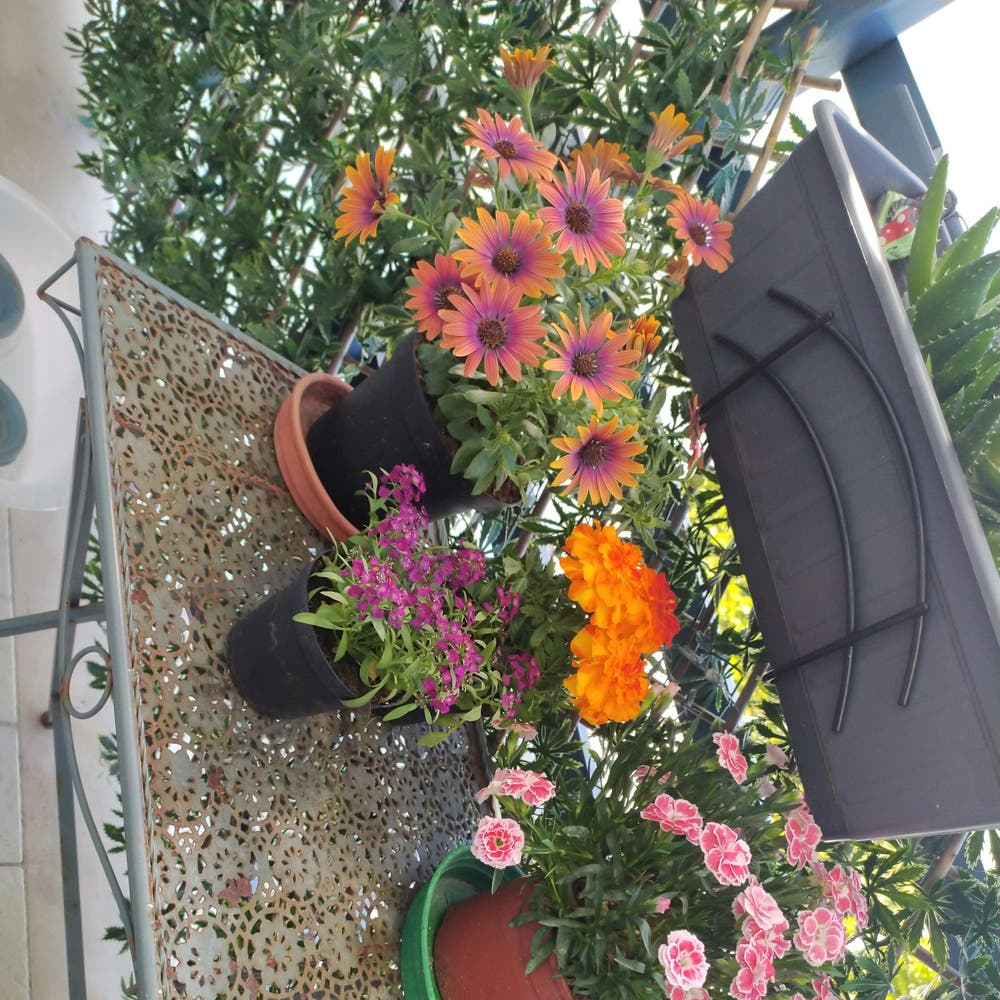
Why Are My Sweet Alyssum Leaves Turning Yellow? 💛
Lobularia maritima
By the Greg Editorial Team
Jun 08, 2024•7 min read
This article was created with the help of AI so we can cover more plants for you. May contain errors. See one? Report it here.
- Nutrient imbalances, pests, diseases: Common causes of yellow leaves.
- Soil test, correct watering: Key to addressing yellowing in Sweet Alyssum.
- Regular inspection and pruning: Essential for healthy, green leaves.
Recognizing Yellow Leaf Patterns in Sweet Alyssum
Yellowing leaves on your Sweet Alyssum can be a red flag for various issues. Let's dive into the tell-tale signs and what they could mean for your plant's health.
🟡 Uniform Yellowing
When leaves don a single shade of yellow, think of it as the plant's distress signal. It could be crying out against overwatering or screaming for nutrients.
🕰 Age-Related Yellowing
Older leaves naturally turn yellow and die off; it's the circle of life in the plant world. No need for a plant obituary here; it's just senescence doing its thing.
🦠 Leaf Rot and Bacterial Woes
If your Sweet Alyssum's leaves look more like a zombie apocalypse than a lush green haven, bacterial infections might be at play. Act fast—these guys spread quicker than gossip in a small town.
👻 Puckered and Curled Leaves
When leaves look like they've just seen a ghost—puckered and curled—it's a sign of distress. Downy mildew could be the culprit, throwing a spooky party on the undersides of leaves.
🎯 Spotty Appearances
Angular leaf spots can make your Sweet Alyssum's leaves look like a bad case of plant acne. It's not just a teenage phase; it's a bacterial disease that needs attention.
🐛 Yellowing with Pests
If you spot yellow leaves with a side of stickiness or deformed growth, pests might be throwing a rave. Mealybugs and their friends love to crash the Sweet Alyssum party.
☀️ Sunburnt Leaves
Just like humans, plants can get sunburnt too. If your Sweet Alyssum is flashing yellow freckles, it might be time to move it out of that sizzling spot.
Remember, your Sweet Alyssum isn't just being dramatic; yellow leaves are its way of saying, "Hey, I could use a little help here!"

Nutrient Imbalances Leading to Yellow Leaves
💡 Recognizing Nutrient Deficiencies
Nitrogen deficiency often starts a party at the bottom of the plant, with the older leaves turning yellow first. As the bash moves up, newer leaves come in pale green. Iron deficiency crashes the scene with yellowing young leaves, while Magnesium deficiency is the subtle guest, causing yellowing between the veins of older leaves.
💪 Correcting the Imbalance
To kick nutrient deficiencies to the curb, start with a soil test to avoid flying blind. Overcompensating with the wrong nutrients is like pouring salt in your coffee—disastrous. If nitrogen is the culprit, a slow-release fertilizer with a good N-P-K ratio will get your Sweet Alyssum back in the green zone. Iron and magnesium can be more elusive, but supplements or a chelated mix can often set things right. Remember, more is not always merrier; follow the directions on your fertilizer to avoid overindulgence.

Watering Issues and Yellowing Leaves
💧 The Balancing Act of Watering
Overwatering and underwatering can both lead to the dreaded yellow leaf syndrome in Sweet Alyssum. Roots need to breathe, and too much water pushes out vital oxygen. Conversely, a parched plant can't sustain its verdant hues. The goal is to keep the soil consistently moist, not soggy or bone-dry.
🚱 Tap Water Troubles
Tap water isn't always plant-friendly, thanks to chemicals like fluoride. Let it sit out for a day to let those nasties evaporate, or you might find the leaf tips turning yellow. When watering, ensure it drains well—no plant enjoys wet feet.
🌱 Seasonal Adjustments
Plants aren't static; they change with the seasons. In winter, your Sweet Alyssum isn't as thirsty, so ease up on the watering can. And while it's no sun worshipper, ensure it gets enough indirect light to prevent a yellow wardrobe change.
💦 Soil Moisture Checks
Finger tests and chopsticks aren't just for eating; they're great for soil moisture checks too. If the soil clings to your finger or the chopstick comes out damp, hold off on watering. It's a simple yet effective way to prevent root anoxia—fancy talk for suffocating roots.
🔄 Consistency is Key
A consistent watering schedule is like a security blanket for your Sweet Alyssum. It craves predictability. Keep the soil moisture steady to avoid stressing out your plant, which can lead to yellowing leaves. Remember, consistency beats guesswork every time.

Pests, Diseases, and Yellow Leaves
🕵️♂️ Recognizing the Culprits
When Sweet Alyssum leaves turn yellow, pests and diseases are often to blame. Aphids, mealybugs, and leafhoppers are the usual suspects, sapping the life and color from your plants. They're not just freeloaders; they can cause serious harm through their feeding frenzy.
🦟 Battling the Bugs
To tackle these pests, insecticidal soap or neem oil are your go-to weapons. A strong jet of water can also dislodge the critters. Remember, these pests are persistent, so you might need to repeat treatments to ensure they're gone for good.
🦠 Disease Dilemmas
Diseases like downy mildew and bacterial rots can also turn leaves yellow. Downy mildew, in particular, is a sneaky adversary, with symptoms including puckered leaves and a whitish growth underneath. It's like your plant's own horror movie, with the mildew playing the villain.
✂️ Cutting Out the Rot
If bacterial infections are present, act fast. Use sterilized pruning shears to remove infected parts and prevent a garden-wide epidemic. A copper-based bactericide can be your ally here, but always follow the label directions like your plant's life depends on it—because it does.
🛡️ Preventative Measures
Prevention is better than cure. Keep your plants on the dry side to discourage disease, and rotate crops to outsmart soil pests. Clearing weeds and maintaining good air circulation can also make your garden less inviting to these unwelcome guests.
👀 Regular Reconnaissance
Stay vigilant. Regular inspections can catch problems early, when they're easier to manage. If you spot yellowing leaves, don't just shrug it off. Get in there and investigate. Your plants will thank you for it.
Preventing Yellow Leaves Through Soil and Plant Care
🌱 Enhancing Soil Quality
To keep Sweet Alyssum's leaves a vibrant green, soil quality is non-negotiable. A well-draining, airy potting mix is the equivalent of a comfortable pair of shoes; it allows your plant to stand tall and healthy. Regularly check for soil compaction and refresh the mix if necessary to prevent waterlogged roots—a common precursor to yellowing leaves.
🎚️ Balancing Soil pH
pH balance is like the pH in a swimming pool; too high or too low, and it's uncomfortable. Aim for a soil pH between 5.5 and 7.0 to prevent iron chlorosis, a condition where leaves yellow while veins stay green. Use pH-buffered fertilizers to adjust the soil pH without going the DIY route, which can be unpredictable.
👩⚕️ Regular Plant Inspection
Like a routine health check-up, inspect your Sweet Alyssum frequently. Look for early signs of stress, such as yellowing or browning tips, which can be early warnings of bigger issues. Catching problems early often means simpler, more effective solutions.
✂️ Pruning to Prevent Yellowing
Pruning is like editing an essay; it's about removing the fluff to reveal the masterpiece beneath. Snip off yellow or damaged leaves to redirect your plant's energy to healthier growth. Remember, selective pruning can also improve air circulation, reducing the risk of fungal diseases that contribute to yellowing leaves.
🔄 Consistency in Care
Lastly, consistency in care is key. Watering should be like a reliable friend—there when you need it but not overbearing. During winter, ease up on watering to match your plant's slower growth rate. And while Sweet Alyssum doesn't crave the spotlight, ensure it receives enough indirect sunlight to keep its colors bright and prevent yellowing.
⚠️ Safety First
This content is for general information and may contain errors, omissions, or outdated details. It is not medical, veterinary advice, or an endorsement of therapeutic claims.
Always consult a qualified healthcare professional before using any plant as food, medicine, or supplement.
Never eat any plant (or feed one to pets) without confirming its identity with at least two trusted sources.
If you suspect poisoning, call Poison Control (800) 222-1222, the Pet Poison Helpline (800) 213-6680, or your local emergency service immediately.
Spotted an error? Please report it here.
Turn those yellow leaves into a green success story 🍃 with Greg's tailored reminders and care tips, ensuring your Sweet Alyssum thrives!