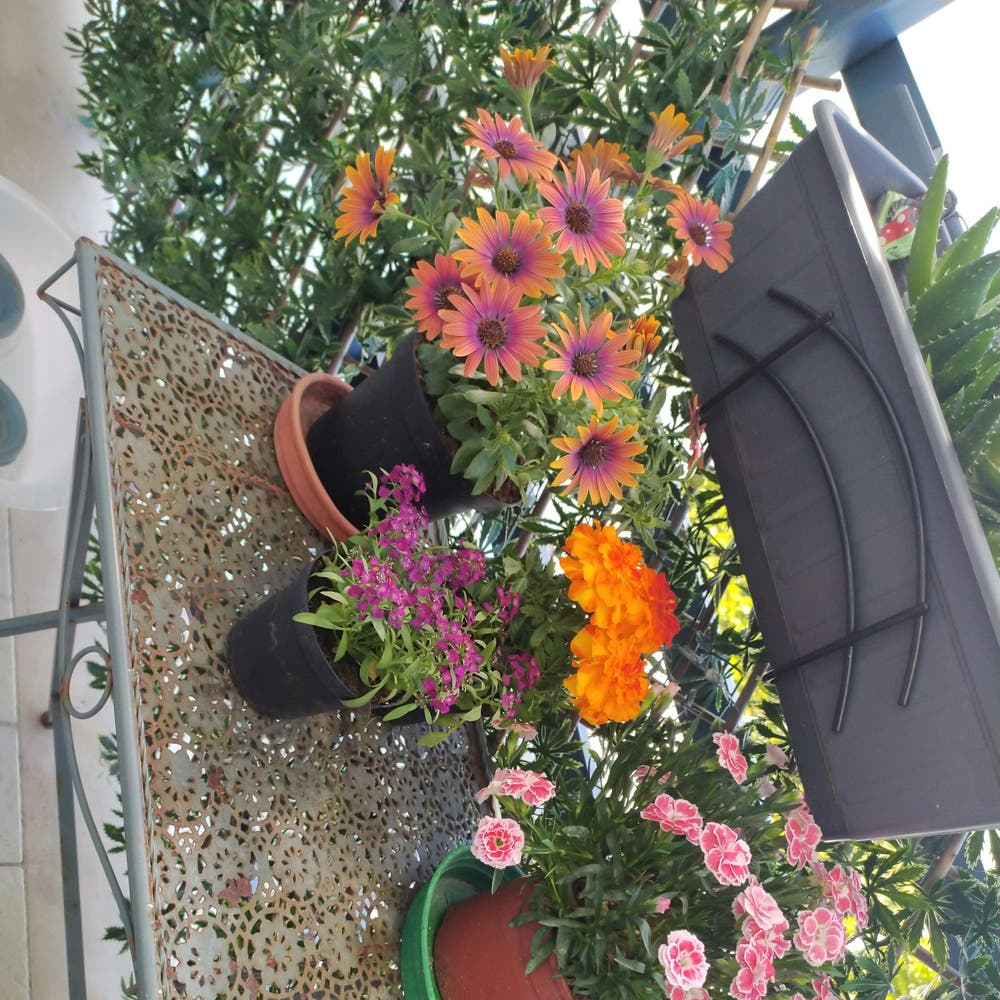
Best Size and Type of Pot for Sweet Alyssum 🌸
Lobularia maritima
By the Greg Editorial Team
Oct 02, 2024•5 min read
This article was created with the help of AI so we can cover more plants for you. May contain errors. See one? Report it here.
- 🌱 Use 4-6 inch pots for seedlings; 8-12 inches for mature sweet alyssum.
- 🏺 Clay pots promote breathability, while plastic pots retain moisture for busy gardeners.
- 💧 Ensure proper drainage to prevent root rot and support vibrant blooms.
Ideal Pot Size for Sweet Alyssum
Pot Size for Seedlings 🌱
For sweet alyssum seedlings, a pot size of 4-6 inches in diameter is recommended. This small size is crucial as it supports their shallow root system and helps prevent overwatering.
Recommended Pot Size for Mature Plants 🌼
Once your sweet alyssum matures, you'll want to upgrade to a pot that is 8-12 inches in diameter. Larger pots provide ample space for root expansion and allow for better moisture retention, which is vital for healthy growth.
Factors Influencing Pot Size Choice ⚖️
Several factors influence your choice of pot size.
- Growth Stage: Seedlings require smaller pots, while mature plants thrive in larger ones.
- Environmental Conditions: Consider sunlight, temperature, and humidity levels.
- Container Gardening Considerations: Think about space availability and how the pot fits into your aesthetic vision.
Choosing the right pot size is essential for the health and vibrancy of your sweet alyssum. With the right conditions, these charming flowers can flourish beautifully. Next, let’s explore the best pot materials to enhance your gardening experience.
Pot Materials for Sweet Alyssum
🌱 Advantages of Clay Pots
Clay pots are a gardener's best friend when it comes to Sweet Alyssum. Their breathability promotes essential air circulation to the roots, which is crucial for healthy growth.
Additionally, clay pots excel at moisture regulation. They absorb excess moisture, significantly reducing the risk of root rot, a common issue for this delicate plant.
🪴 Benefits of Plastic Pots
Plastic pots offer a lightweight and user-friendly option for gardeners. Their ease of handling makes them ideal for those who frequently rearrange their plants.
Moreover, plastic pots retain moisture longer than their clay counterparts. This feature can be a game-changer, especially for busy gardeners who may forget to water regularly.
⚖️ Comparison of Other Materials
Ceramic Pots
Ceramic pots bring an aesthetic appeal that can elevate any garden space. With various designs available, they can be both functional and decorative.
However, they tend to be heavier, providing stability that can be beneficial in windy conditions. Just keep in mind that their weight makes them less portable.
Metal Pots
Metal pots are known for their durability and long-lasting nature. They can withstand the elements, making them a solid choice for outdoor gardens.
On the downside, metal can heat up quickly in direct sunlight. This heat retention can affect root temperature, so consider this factor when choosing your pot.
In summary, selecting the right pot material for your Sweet Alyssum can significantly impact its growth and health. Whether you prefer the breathability of clay, the convenience of plastic, or the aesthetic charm of ceramic and metal, each option has its unique benefits. Next, let’s explore the crucial aspect of drainage considerations to ensure your plants thrive.
Drainage Considerations
Importance of Drainage Holes 🌧️
Drainage holes are crucial for preventing waterlogging, especially for Sweet Alyssum's shallow root system. Without them, excess water can accumulate, leading to root rot and unhealthy plants.
How to Ensure Proper Drainage 🚰
To ensure proper drainage, start by choosing pots with pre-drilled holes. Additionally, adding a layer of gravel or stones at the bottom can further enhance drainage, allowing excess water to escape freely.
Signs of Poor Drainage in Pots ⚠️
Watch for yellowing leaves, which often indicate overwatering and poor drainage. If you notice a foul smell or mushy roots upon inspection, it’s a clear sign of root rot, signaling that your potting setup needs immediate attention.
Proper drainage is essential for the health of your Sweet Alyssum, ensuring vibrant blooms and robust growth. Next, let's explore how to repot these lovely plants for optimal growth.
Repotting Sweet Alyssum
When to Repot Sweet Alyssum 🌱
Repotting your Sweet Alyssum is essential for its health. Look for signs like roots emerging from drainage holes or stunted growth despite your best care.
Steps for Repotting 🛠️
- Choose a New Pot: Select one that is 2-4 inches larger in diameter.
- Remove the Plant: Gently take the plant out of its current pot, loosening the soil around the roots.
- Replant: Place the plant in the new pot and fill it with fresh potting soil, ensuring the root ball is level with the top.
- Water Thoroughly: Give it a good drink to settle the soil around the roots.
Choosing the Right Pot During Repotting 🪴
Consider the growth stage of your plant. The new pot should accommodate future growth while balancing moisture retention and drainage needs.
With the right pot and care, your Sweet Alyssum will thrive, bringing vibrant blooms to your space. Next, let’s explore how your pot choice impacts the overall growth of your plant.
Impact of Pot Choice on Growth
🌱 How Pot Size Affects Root Development
Choosing the right pot size is crucial for the health of your Sweet Alyssum. Larger pots allow for deeper root systems, which promotes overall plant health and vitality.
In contrast, smaller pots can restrict root growth, leading to stunted plants. This limitation can hinder your plant's ability to absorb nutrients and water effectively.
🏺 Influence of Pot Material on Moisture Retention
The material of your pot plays a significant role in moisture retention. Clay pots dry out faster, making them suitable for well-draining needs, especially in sunny spots.
On the other hand, plastic pots retain moisture longer, which can be beneficial in drier conditions. This can reduce the frequency of watering, but be cautious of overwatering.
🚿 Effects of Drainage on Plant Health
Proper drainage is essential for preventing root rot, a common issue for Sweet Alyssum. Good drainage ensures vibrant blooms and healthy foliage, keeping your plants looking their best.
Conversely, poor drainage can lead to disease and a decline in plant vigor. Always check for drainage holes and consider adding a layer of gravel to enhance water flow.
Understanding these factors will help you make informed choices for your Sweet Alyssum, setting the stage for thriving plants. Next, let’s explore the best pot materials to use for optimal growth.
⚠️ Safety First
This content is for general information and may contain errors, omissions, or outdated details. It is not medical, veterinary advice, or an endorsement of therapeutic claims.
Always consult a qualified healthcare professional before using any plant as food, medicine, or supplement.
Never eat any plant (or feed one to pets) without confirming its identity with at least two trusted sources.
If you suspect poisoning, call Poison Control (800) 222-1222, the Pet Poison Helpline (800) 213-6680, or your local emergency service immediately.
Spotted an error? Please report it here.
Select the perfect pot for your sweet alyssum 🌱 with Greg's tailored tips and reminders, ensuring vibrant blooms and healthy growth all season long!