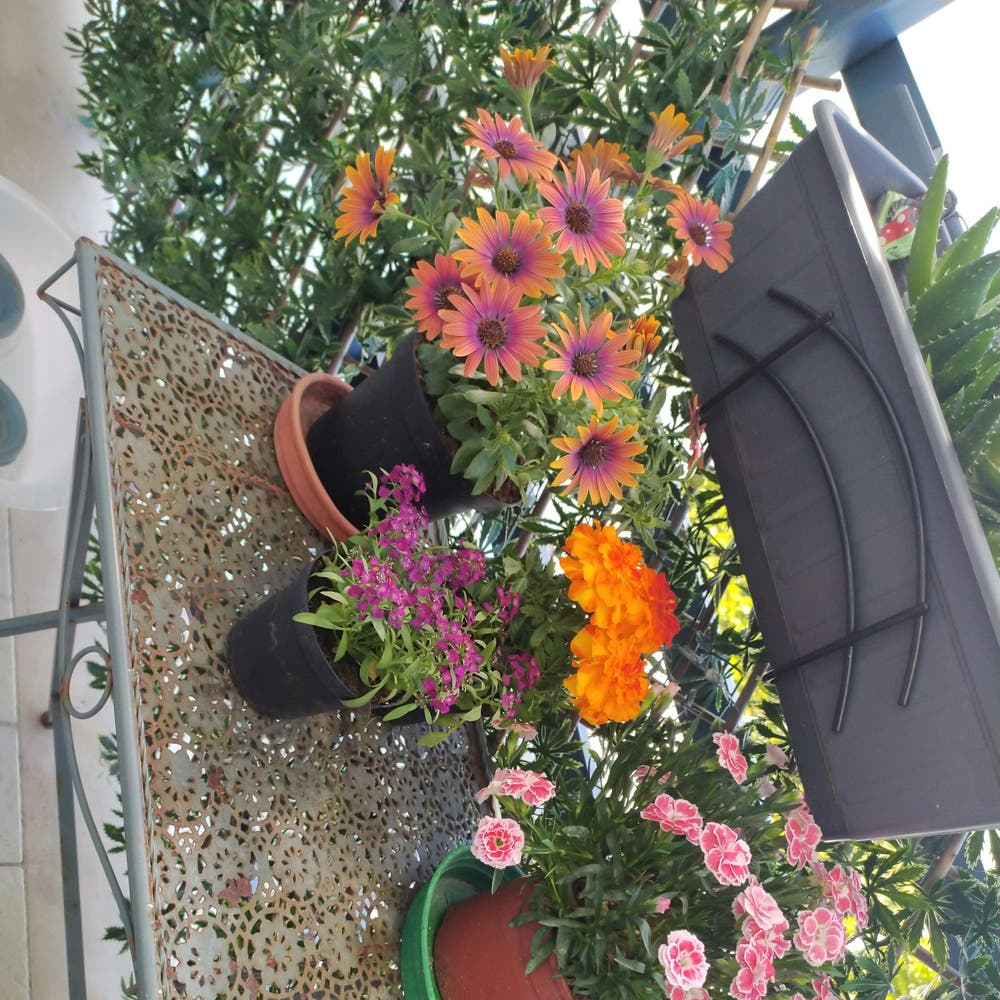
🌸 Growing Your Sweet Alyssum Outdoors
Lobularia maritima
By the Greg Editorial Team
Oct 02, 2024•6 min read
This article was created with the help of AI so we can cover more plants for you. May contain errors. See one? Report it here.
- 🌞 Sweet Alyssum needs 6-8 hours of sunlight daily for optimal growth and blooms.
- 💧 Well-drained, consistently moist soil prevents root rot and supports healthy plants.
- 🌱 Fertilize every 4-6 weeks for vibrant growth and abundant flowering.
Sunlight Requirements
Ideal Sunlight Exposure 🌞
Sweet Alyssum thrives in full sun, needing at least 6-8 hours of direct sunlight each day. However, in hotter climates, it can adapt to some afternoon shade, making it a versatile choice for various garden settings.
Impact of Sunlight on Growth 🌻
The amount of sunlight directly influences flowering; more sun means more blooms. Additionally, adequate sunlight encourages a compact, bushy growth habit, ensuring your plants look lush and vibrant throughout the growing season.
Understanding these sunlight requirements is crucial for cultivating healthy Sweet Alyssum. With the right exposure, you can enjoy a stunning display of flowers that brighten up any outdoor space.
Next, let’s explore the watering needs of this delightful plant to keep it thriving.
Watering Needs
General Watering Guidelines 🌊
Sweet Alyssum thrives when the soil is kept consistently moist but not waterlogged. Aim for well-drained soil, allowing the top inch to dry out between waterings to prevent root rot.
Seasonal Adjustments 🌦️
During hot, dry spells, increase your watering frequency to keep your plants hydrated. Conversely, in cooler, wetter months, you can reduce watering to avoid over-saturation.
By understanding these watering needs, you can ensure your Sweet Alyssum flourishes beautifully throughout the growing season. Next, let’s explore the soil preferences that will help your plants thrive even more.
Soil Preferences
Soil Type 🌱
For your sweet alyssum to thrive, well-drained, sandy loam is the gold standard. Heavy clay soils can be detrimental, as they retain too much water, leading to root issues.
Soil pH ⚖️
Aim for a slightly acidic to neutral pH, ideally between 6.0 and 7.0. This range supports optimal nutrient uptake, ensuring your plants stay healthy and vibrant.
Soil Preparation 🛠️
Before planting, consider amending your soil with organic matter. This not only improves drainage but also boosts fertility, giving your sweet alyssum the best start possible.
By focusing on these soil preferences, you set the stage for robust growth and stunning blooms. Next, let’s explore the fertilization guidelines to keep your plants nourished and thriving.
Fertilization Guidelines
Fertilization Schedule 🌱
To kickstart your sweet alyssum's growth, apply a balanced fertilizer right at planting time. This initial boost sets the stage for vibrant blooms and lush foliage.
For ongoing care, use a diluted liquid fertilizer every 4-6 weeks during the growing season. This regular feeding keeps your plants thriving and ensures they have the nutrients they need.
Nutrient Needs 🥦
Focus on a balanced NPK (Nitrogen, Phosphorus, Potassium) ratio for optimal health. Nitrogen promotes leafy growth, phosphorus supports flowering, and potassium enhances overall plant vigor.
By meeting these nutrient needs, your sweet alyssum will reward you with a stunning display of blooms throughout the season.
With proper fertilization, your plants will flourish, leading to a vibrant garden that attracts pollinators and brings joy to your outdoor space.
Next, let’s explore how to protect your sweet alyssum from extreme weather and pests.
Weather Protection and Pest Management
🌪️ Strategies for Extreme Weather Conditions
To keep your sweet alyssum thriving, consider mulching. A layer of organic mulch not only retains moisture but also helps regulate soil temperature, creating a stable environment for growth.
In case of unexpected frosts, covering your plants with row covers or cloches can provide essential protection. This simple step can make a significant difference in their survival.
🐛 Common Outdoor Pests
Aphids
Aphids can be a nuisance, leaving a sticky residue on leaves and causing them to curl. To control these pests, try neem oil or insecticidal soap, and consider introducing beneficial insects like ladybugs to your garden.
Slugs and Snails
If you notice irregular holes in leaves or slime trails, slugs and snails are likely the culprits. Handpicking them, setting traps, or creating barriers can effectively manage their population.
🦠 Diseases and Prevention
Powdery Mildew
Powdery mildew appears as white, powdery spots on leaves, signaling a problem. To prevent this, ensure good air circulation around your plants and avoid overhead watering, which can create a damp environment.
Root Rot
Root rot manifests through wilting, yellowing leaves, and stunted growth. To prevent this issue, use well-drained soil and be cautious not to overwater, ensuring your sweet alyssum stays healthy and vibrant.
By implementing these strategies, you can protect your sweet alyssum from extreme weather and pests, ensuring a flourishing garden. Next, let’s explore the seasonal care needed to keep your plants thriving throughout the year.
Seasonal Care
Spring Care Tips 🌸
Spring is the perfect time to plant your sweet alyssum. Ensure the soil is warm to give your plants a strong start.
Fertilization is key during this season. Apply a balanced fertilizer to promote vigorous growth and vibrant blooms.
Summer Care Tips ☀️
As temperatures rise, increase your watering frequency. Sweet alyssum thrives with consistent moisture, especially during hot, dry spells.
Don't forget to deadhead regularly. Removing spent flowers encourages new blooms and keeps your garden looking fresh.
Fall Care Tips 🍂
In the fall, it's time for some pruning. Trim back any leggy growth to promote a bushier appearance.
Prepare your plants for frost by providing protection as temperatures begin to drop. This will help them survive the colder months.
Winter Care Tips ❄️
Mulching is essential in winter. A layer of mulch protects the roots from freezing temperatures.
Keep an eye on your plants during dormancy. Regularly check for signs of disease or pests to ensure they remain healthy.
With these seasonal care tips, your sweet alyssum will flourish throughout the year. Next, let’s explore how climate considerations can further enhance your gardening success.
Climate Considerations
Best Climate Zones 🌍
Sweet Alyssum flourishes in USDA zones 3-10, making it a versatile choice for many gardeners. It can tolerate light frost, which is a bonus for those in cooler regions.
Adjusting Care Based on Climate ☀️
In hot climates, providing afternoon shade is crucial to prevent stress on the plants. Additionally, increasing watering frequency helps keep the soil moist and supports healthy growth.
Conversely, in cold climates, protective coverings during winter months can safeguard your plants from harsh conditions. Opting for frost-tolerant varieties ensures that your Sweet Alyssum can thrive even when temperatures dip.
Understanding these climate considerations will set you up for success. With the right care tailored to your environment, your Sweet Alyssum will reward you with vibrant blooms all season long.
Next, let’s explore the seasonal care tips to keep your plants thriving throughout the year.
⚠️ Safety First
This content is for general information and may contain errors, omissions, or outdated details. It is not medical, veterinary advice, or an endorsement of therapeutic claims.
Always consult a qualified healthcare professional before using any plant as food, medicine, or supplement.
Never eat any plant (or feed one to pets) without confirming its identity with at least two trusted sources.
If you suspect poisoning, call Poison Control (800) 222-1222, the Pet Poison Helpline (800) 213-6680, or your local emergency service immediately.
Spotted an error? Please report it here.
Transform your garden with vibrant Sweet Alyssum blooms 🌼 by using Greg's tailored watering reminders and expert tips to ensure they thrive in any season!