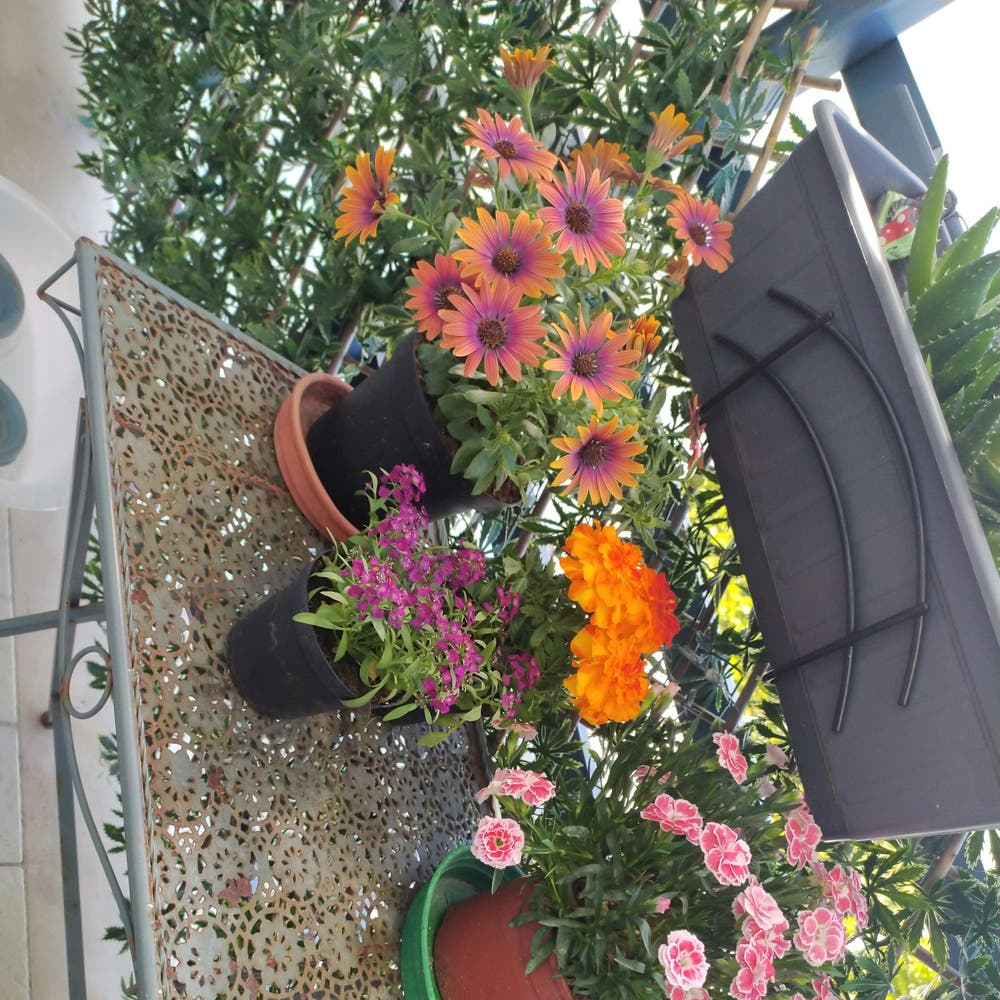
🌸 10 Essential Steps to Grow Healthy Sweet Alyssum
Lobularia maritima
By the Greg Editorial Team
Oct 02, 2024•5 min read
This article was created with the help of AI so we can cover more plants for you. May contain errors. See one? Report it here.
- 🌞 Sweet alyssum needs 6-8 hours of sunlight daily for optimal growth and fragrance.
- 🌱 Well-drained soil with pH 6.0-7.0 prevents root rot and promotes healthy growth.
- 🌼 Regular watering and balanced fertilizer every 4-6 weeks ensure vibrant blooms.
Choosing the Right Location
🌞 Sunlight Requirements
For sweet alyssum to thrive, it needs full sun exposure, ideally 6-8 hours daily. This sunlight not only boosts flower production but also enhances their delightful fragrance.
🌱 Soil Conditions
Well-drained soil is crucial to prevent root rot, which can be detrimental to your plants. Aim for a soil pH that is slightly acidic to neutral, ideally between 6.0 and 7.0, to create the best growing conditions.
📏 Space Considerations
When planting sweet alyssum, ensure you space them 6-12 inches apart. This spacing allows for adequate air circulation and promotes healthy growth, making them perfect for borders, containers, or as ground cover.
By carefully selecting the right location, you set the stage for a flourishing sweet alyssum garden. Next, let’s dive into soil preparation to ensure your plants have the best foundation for growth.
Soil Preparation
Soil Testing 🧪
Before planting sweet alyssum, it's crucial to conduct a soil test. This will help you determine the pH and nutrient levels, allowing you to amend the soil effectively for optimal growth.
Soil Amendments 🌱
Incorporating organic matter is key to improving soil fertility. Use compost or well-rotted manure to enrich the soil, and if your soil is heavy or clay-like, consider adding perlite or sand to enhance drainage.
Tilling and Aeration 🌾
Tilling your soil to a depth of 12-15 inches is essential for proper aeration. This process promotes root development and helps retain moisture, creating a thriving environment for your sweet alyssum.
With the soil prepared, you're ready to move on to the next step: planting techniques that will set your sweet alyssum up for success.
Planting Techniques
Timing for Planting 🌱
The best times to plant sweet alyssum are early spring or fall. These cooler temperatures help the plants establish themselves, and they can even tolerate light frost, making them perfect for early planting.
Seed vs. Transplanting 🌿
When deciding between seeds and seedlings, consider your comfort level and timing.
Starting from Seeds
- Seed depth: Plant seeds about 1/8 inch deep.
- Germination time: Expect germination in 7-14 days at temperatures between 65-70°F (18-21°C).
- Thinning seedlings: Once true leaves appear, thin seedlings to 6-12 inches apart to ensure healthy growth.
Transplanting Seedlings
- When to transplant: Wait until after the last frost date to move your seedlings outdoors.
- Spacing: Space them 6-12 inches apart for optimal growth and airflow.
With these planting techniques, you’re setting the stage for a vibrant display of sweet alyssum. Next, let’s explore how to keep your plants thriving with proper watering and fertilizing.
Watering and Fertilizing
💧 Watering Requirements
Regular watering is crucial for sweet alyssum. Aim to keep the soil consistently moist, especially during dry spells.
Watch for signs of overwatering, such as yellowing leaves and wilting. These indicators can signal that your plants are struggling, so adjust your watering schedule accordingly.
🌱 Fertilizing
To keep your sweet alyssum thriving, apply a balanced, slow-release fertilizer every 4-6 weeks during the growing season. This will provide the nutrients necessary for vibrant blooms.
Consider using organic fertilizers like fish emulsion or compost tea for the best results. These options not only nourish your plants but also promote a healthier garden ecosystem.
With proper watering and fertilizing, your sweet alyssum will flourish, setting the stage for a beautiful display. Next, let’s explore common challenges and their solutions to keep your plants healthy and happy.
Common Challenges and Solutions
🐞 Pests and Diseases
Common Pests
Sweet Alyssum can attract a few pesky visitors, with aphids being the most common. Look for curled leaves and sticky residue on your plants; these are telltale signs of an aphid infestation.
To combat aphids, consider using insecticidal soap, which is effective and easy to apply. Alternatively, introducing beneficial insects like ladybugs can help keep aphid populations in check naturally.
Diseases
One of the most prevalent diseases affecting Sweet Alyssum is powdery mildew. This manifests as white, powdery spots on leaves, which can hinder plant growth and vitality.
To prevent powdery mildew, ensure good air circulation around your plants. Avoid overhead watering, as wet leaves can promote fungal growth.
🌡️ Environmental Stress Factors
Heat stress can be a significant challenge for Sweet Alyssum, especially during scorching summer days. Signs of heat stress include wilting and leaf scorch, which can be alarming.
To mitigate heat stress, provide afternoon shade for your plants. This simple adjustment can help them thrive even in the hottest conditions.
By addressing these common challenges, you can ensure your Sweet Alyssum remains healthy and vibrant throughout the growing season. Next, let’s explore seasonal care tips to keep your plants flourishing year-round.
Seasonal Care
Spring Planting Tips 🌱
Spring is the perfect time to get your sweet alyssum thriving. Start by preparing the soil and selecting healthy seedlings or seeds that are ready to flourish.
Keep an eye on the weather; late frosts can be sneaky. Protect your young plants with covers if temperatures dip unexpectedly.
Winter Care ❄️
As winter approaches, mulching becomes essential. A layer of mulch will shield the roots from frost and help retain moisture.
Don't forget about pruning! Cut back any dead foliage in late winter to encourage fresh growth when spring arrives. This simple step can make a world of difference in your garden's vibrancy.
With these seasonal care tips, your sweet alyssum will be well-prepared to thrive year-round. Next, let’s explore the common challenges you might face and how to tackle them effectively.
⚠️ Safety First
This content is for general information and may contain errors, omissions, or outdated details. It is not medical, veterinary advice, or an endorsement of therapeutic claims.
Always consult a qualified healthcare professional before using any plant as food, medicine, or supplement.
Never eat any plant (or feed one to pets) without confirming its identity with at least two trusted sources.
If you suspect poisoning, call Poison Control (800) 222-1222, the Pet Poison Helpline (800) 213-6680, or your local emergency service immediately.
Spotted an error? Please report it here.
Grow vibrant sweet alyssum blooms 🌼 effortlessly with Greg's tailored watering reminders and expert care tips that keep your plants thriving all year round!