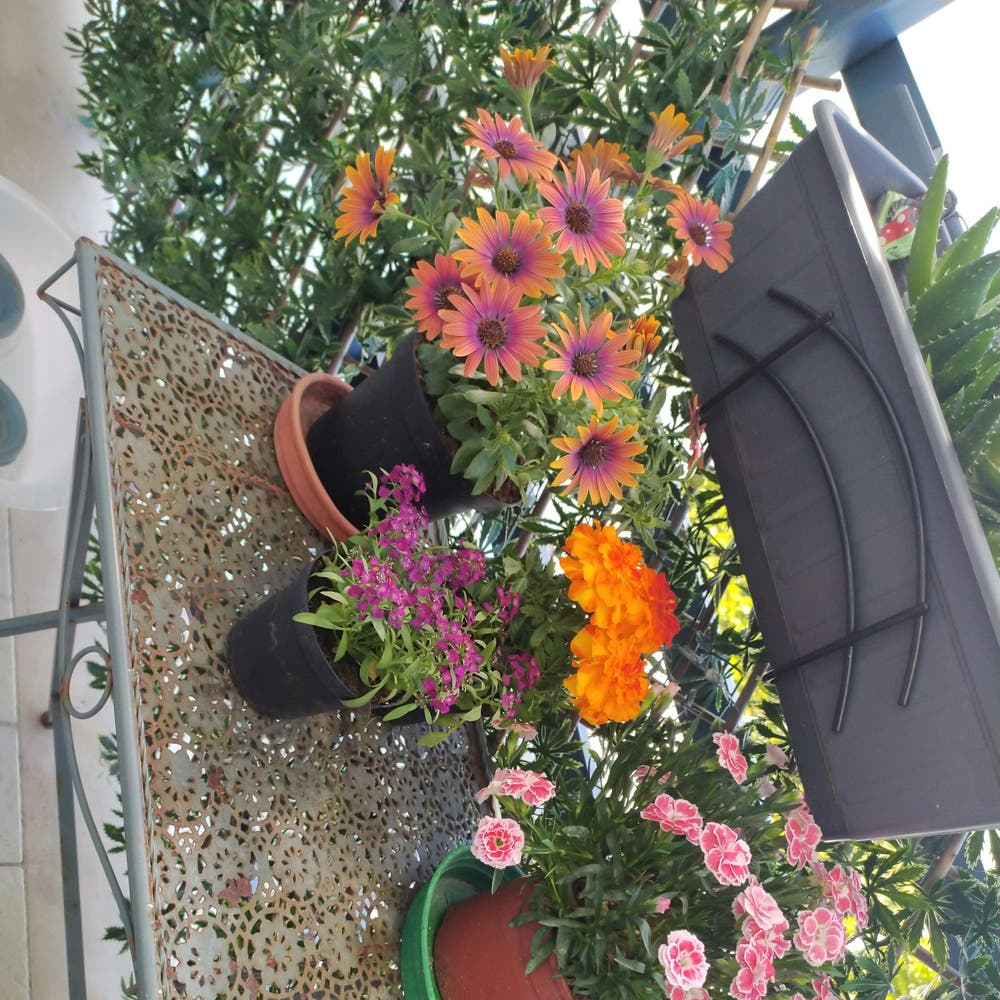
🌸 Sweet Alyssum: Not an Invasive Plant
Lobularia maritima
By the Greg Editorial Team
Oct 02, 2024•6 min read
This article was created with the help of AI so we can cover more plants for you. May contain errors. See one? Report it here.
- 🌼 Sweet Alyssum is non-invasive, promoting harmony in diverse garden settings.
- 🐝 Attracts pollinators, enhancing local biodiversity and supporting garden ecosystems.
- 🌱 Versatile and low-maintenance, it thrives in various soils and complements other plants.
Plant Classification
🌱 Definition of Invasive Plants
Invasive plants are characterized by their aggressive growth and ability to outcompete native flora. They often disrupt local ecosystems, leading to negative ecological impacts.
🌼 Why Sweet Alyssum is Not Invasive
Sweet Alyssum spreads moderately, making it a gentle companion in the garden rather than a domineering presence.
Growth Behavior
This plant thrives without overwhelming its neighbors, allowing for a harmonious garden environment.
Adaptability
It adapts well to various soil types but doesn’t aggressively dominate, making it a versatile choice for gardeners.
Supporting Evidence
Numerous studies and gardening experiences highlight Sweet Alyssum's non-invasive nature, reinforcing its reputation as a beneficial addition to any garden.
As we delve deeper into its growth habits, you'll discover how Sweet Alyssum can enhance your garden while maintaining ecological balance.
Growth Habits
Typical Growth Patterns in Gardens 🌼
Sweet Alyssum typically grows to a height of 6 to 12 inches, making it an excellent choice for low borders or ground cover. Its flowering season spans from spring to fall, with the most vibrant blooms appearing during the summer months.
Natural Limits to Growth and Spread Potential 🌱
Several factors limit the spread of Sweet Alyssum, including soil conditions, competition with neighboring plants, and climate variations. For optimal growth without overcrowding, it's recommended to space plants about 6 to 12 inches apart.
Seasonal Growth Cycles 🍂
In spring, Sweet Alyssum experiences rapid growth and begins to flower, bringing life to your garden. Summer marks its peak blooming period, requiring some maintenance to keep it looking its best.
As fall approaches, the plant focuses on seed production and prepares for dormancy. This seasonal cycle not only enhances its beauty but also contributes to the overall health of your garden.
With a solid understanding of Sweet Alyssum's growth habits, you can effectively incorporate it into your garden design. Next, let’s explore its ecological role and the benefits it brings to local wildlife.
Ecological Role
Benefits to Local Wildlife 🐝
Sweet Alyssum is a magnet for pollinators, attracting bees, butterflies, and beneficial insects. This makes it an essential player in supporting biodiversity within garden ecosystems.
Positive Interactions with Other Plants 🌼
When planted alongside other flora, Sweet Alyssum enhances their growth through companion planting. It pairs well with various plants, such as pansies and snapdragons, creating a vibrant and thriving garden.
Role in Soil Health and Erosion Control 🌱
The root systems of Sweet Alyssum contribute significantly to soil structure and health. Additionally, its dense growth helps prevent soil erosion, making it a practical choice for maintaining garden integrity.
Incorporating Sweet Alyssum into your garden not only beautifies your space but also fosters a healthier ecosystem. As we explore garden management next, consider how these ecological benefits can enhance your gardening experience.
Garden Management
Incorporating Sweet Alyssum into Garden Designs 🌼
Sweet Alyssum is a versatile plant that can enhance various garden designs. Consider using it for borders, pathways, or mixed flower beds to create vibrant, cohesive landscapes.
For optimal coverage, plant Sweet Alyssum in clusters. This not only promotes a lush appearance but also encourages pollinator activity, making your garden a lively ecosystem.
Aesthetic Considerations and Growth Control Methods 🎨
To keep your Sweet Alyssum blooming longer, regular pruning and deadheading are essential. Removing spent flowers encourages new growth and maintains a tidy look.
Managing growth is straightforward. You can control its spread by adjusting spacing and using edging techniques, ensuring it complements rather than overwhelms your garden.
Maintenance Tips for Optimal Growth 💧
Watering Sweet Alyssum requires a moderate approach. Allow the soil to dry between waterings to prevent root rot while keeping the plants healthy.
Fertilization should be light, using a balanced fertilizer during the growing season. This supports growth without overwhelming the plant, ensuring it thrives beautifully.
Incorporating Sweet Alyssum into your garden not only enhances its beauty but also supports local wildlife. As you plan your garden, consider how this charming plant can fit into your design and maintenance routine.
Comparison to Other Plants
🌼 Similar Non-Invasive Plants for Comparison
When considering non-invasive flowering plants, a few stand out alongside Sweet Alyssum.
- Coreopsis: Known for its bright yellow flowers, Coreopsis grows about 1 to 3 feet tall and attracts butterflies, enhancing garden biodiversity.
- Lavender: This aromatic plant reaches heights of 1 to 3 feet, providing not only beauty but also a habitat for pollinators.
- Black-eyed Susan: With its cheerful yellow petals and dark centers, this plant grows 2 to 3 feet tall and is a favorite among bees and butterflies.
These plants share the non-invasive trait, making them excellent companions in any garden.
🌸 Unique Qualities of Sweet Alyssum
Sweet Alyssum brings unique characteristics to the table.
Its distinct fragrance can fill the air, creating a delightful sensory experience.
Additionally, it offers a variety of flower colors, from white to lavender, allowing for creative garden designs.
Sweet Alyssum is also adaptable, thriving in various garden settings, whether in containers or as ground cover.
🌿 Benefits of Choosing Sweet Alyssum Over Other Options
Opting for Sweet Alyssum comes with numerous advantages.
It excels at attracting beneficial insects like bees and butterflies, which are crucial for pollination.
Moreover, its low-maintenance nature means less time spent on upkeep, allowing you to enjoy your garden more.
Versatile in design, Sweet Alyssum can fit into borders, pathways, or mixed flower beds, enhancing the overall aesthetic of your outdoor space.
In summary, Sweet Alyssum not only beautifies your garden but also supports local ecosystems, making it a fantastic choice for any gardener.
As we explore the ecological role of Sweet Alyssum, we’ll uncover how it contributes to the health of your garden and the environment.
Legal and Environmental Considerations
🌱 Sustainable Gardening Practices
Choosing non-invasive plants is crucial for sustainable gardening. By selecting species like Sweet Alyssum, you promote a balanced ecosystem that supports local wildlife.
To integrate Sweet Alyssum into eco-friendly practices, consider these tips:
- Companion Planting: Pair it with other plants to enhance growth and biodiversity.
- Native Soil Use: Utilize local soil types to minimize environmental disruption.
- Minimal Chemical Use: Rely on organic fertilizers and pest control methods.
🌍 Environmental Impact of Planting Sweet Alyssum
Planting Sweet Alyssum positively impacts local ecosystems. Its flowers attract essential pollinators like bees and butterflies, fostering biodiversity.
Additionally, Sweet Alyssum helps minimize negative effects on native flora and fauna. Its moderate growth ensures it won’t outcompete local species, maintaining ecological balance.
📋 Guidelines for Responsible Gardening
To plant and maintain Sweet Alyssum responsibly, follow these best practices:
- Monitor Growth: Regularly check its spread to prevent overcrowding.
- Diverse Planting: Incorporate a variety of plants to create a balanced garden.
- Seasonal Care: Adjust care routines based on seasonal changes to support healthy growth.
By keeping an eye on interactions with other plants, you can ensure a thriving garden ecosystem. This mindful approach not only benefits your garden but also contributes to the health of the surrounding environment.
As we explore the unique qualities of Sweet Alyssum, let’s dive into how it compares to other non-invasive plants.
⚠️ Safety First
This content is for general information and may contain errors, omissions, or outdated details. It is not medical, veterinary advice, or an endorsement of therapeutic claims.
Always consult a qualified healthcare professional before using any plant as food, medicine, or supplement.
Never eat any plant (or feed one to pets) without confirming its identity with at least two trusted sources.
If you suspect poisoning, call Poison Control (800) 222-1222, the Pet Poison Helpline (800) 213-6680, or your local emergency service immediately.
Spotted an error? Please report it here.
Embrace the beauty of Sweet Alyssum in your garden 🌸 with Greg's tailored care reminders, ensuring your plants flourish while supporting local wildlife and biodiversity!