🌸 Sweet Alyssum Is an Annual
Lobularia maritima
By the Greg Editorial Team
Oct 02, 2024•5 min read
This article was created with the help of AI so we can cover more plants for you. May contain errors. See one? Report it here.
- 🌼 Sweet Alyssum is an annual, thriving in cool weather and blooming from spring to fall.
- ⏳ Germination to flowering takes 4-8 weeks, making it a quick garden color option.
- 🌞 Full sun is ideal, but it adapts well to partial shade and various climates.
Characteristics of Sweet Alyssum as an Annual
Lifecycle and Growth Patterns 🌱
Sweet Alyssum follows a straightforward lifecycle that captivates gardeners and nature lovers alike. It progresses through four main stages: germination, vegetative growth, flowering, and seed setting.
Germination kicks off the process, typically occurring within a week under optimal conditions. Following this, the plant enters vegetative growth, where it develops lush foliage and establishes a robust root system.
Timeline from Seed to Flower ⏳
From seed to flower, Sweet Alyssum usually takes about 4 to 8 weeks. This rapid timeline makes it a favorite for those looking to add color to their gardens quickly.
Environmental Factors Influencing Growth 🌤️
Several environmental factors play a crucial role in the growth of Sweet Alyssum. Temperature is key; it thrives in cooler weather but can tolerate some heat.
Light is another essential element. Sweet Alyssum prefers full sun but can adapt to partial shade. Lastly, moisture levels are vital; consistent watering helps maintain its vibrant blooms.
Understanding these growth patterns and environmental needs can help you cultivate a thriving Sweet Alyssum garden. With the right conditions, this charming annual can transform any space into a floral paradise.
As we explore further, let’s delve into the evolutionary advantages that make Sweet Alyssum such a resilient plant.
Evolutionary Advantages
Adaptation to Various Environments 🌍
Sweet Alyssum is a remarkable plant, known for its ability to thrive in a variety of climates. Its tolerance to heat, drought, and poor soil makes it a resilient choice for gardeners everywhere.
This adaptability stems from its rapid lifecycle, which allows it to complete its growth stages quickly. With prolific flowering, Sweet Alyssum can produce a stunning display even in less-than-ideal conditions.
Thriving in Tough Conditions 💪
One of the key evolutionary advantages of Sweet Alyssum is its ability to flourish in challenging environments. Whether facing high temperatures or limited water, this plant finds a way to survive and thrive.
Its capacity to grow in poor soil is particularly impressive. Sweet Alyssum doesn't require rich nutrients, making it an excellent option for gardeners looking to beautify less fertile areas.
Strategies for Success 🚀
The rapid lifecycle of Sweet Alyssum is a game-changer. It can go from seed to flower in just 4 to 8 weeks, ensuring that it takes full advantage of favorable growing conditions.
Additionally, its prolific flowering means that even if conditions fluctuate, there will still be plenty of blooms to enjoy. This strategy not only enhances its survival but also makes it a favorite among pollinators.
Conclusion
In summary, Sweet Alyssum's evolutionary advantages allow it to adapt and thrive in diverse environments. Its resilience and rapid growth make it a valuable addition to any garden, setting the stage for the next topic on the impact of its annual lifecycle on growth.
Impact of Annual Lifecycle on Growth
🌸 Flowering Period
Sweet Alyssum typically blooms from early spring to late fall. This extended flowering period allows it to provide vibrant color and attract pollinators throughout much of the growing season.
⚙️ Factors Affecting Flowering
Several key factors influence the flowering of Sweet Alyssum. Day length, temperature, and soil conditions all play crucial roles in determining when and how profusely these plants will bloom.
🌱 Mechanisms of Seed Dispersal
Once flowering occurs, Sweet Alyssum employs various mechanisms for seed dispersal. Wind, water, and animal interactions help spread its seeds, ensuring the continuation of its lifecycle in diverse environments.
This adaptability not only enhances its survival but also enriches garden spaces. As we explore the next section, we'll delve into the fascinating variations and exceptions in Sweet Alyssum's growth patterns.
Variations and Exceptions
🌱 Instances of Biennial Behavior
While Sweet Alyssum is primarily known as an annual, it can occasionally exhibit biennial behavior under specific conditions. This typically occurs in cooler climates where the plant may not complete its lifecycle in a single growing season.
Factors such as prolonged cold temperatures can delay flowering, prompting the plant to overwinter and bloom the following spring. Additionally, nutrient-poor soil can slow growth, leading to a similar biennial pattern.
🌍 Environmental Influences on Growth Patterns
Several environmental factors can influence whether Sweet Alyssum behaves as an annual or biennial. For instance, if the plant experiences insufficient sunlight or extreme drought, it may struggle to thrive.
Conversely, optimal conditions—like moderate temperatures and well-drained soil—encourage the plant to complete its lifecycle as an annual. Understanding these variations can help gardeners adapt their care strategies for Sweet Alyssum, ensuring vibrant blooms regardless of the circumstances.
With this knowledge, you can better appreciate the resilience of Sweet Alyssum and its adaptability to changing environments. Next, let’s explore how to utilize this charming plant in your garden design.
Gardening Applications
Utilizing Sweet Alyssum in Garden Design 🌼
Sweet Alyssum is a versatile plant that can enhance any garden. Its low-growing habit makes it perfect for ground cover, filling in gaps and preventing weeds.
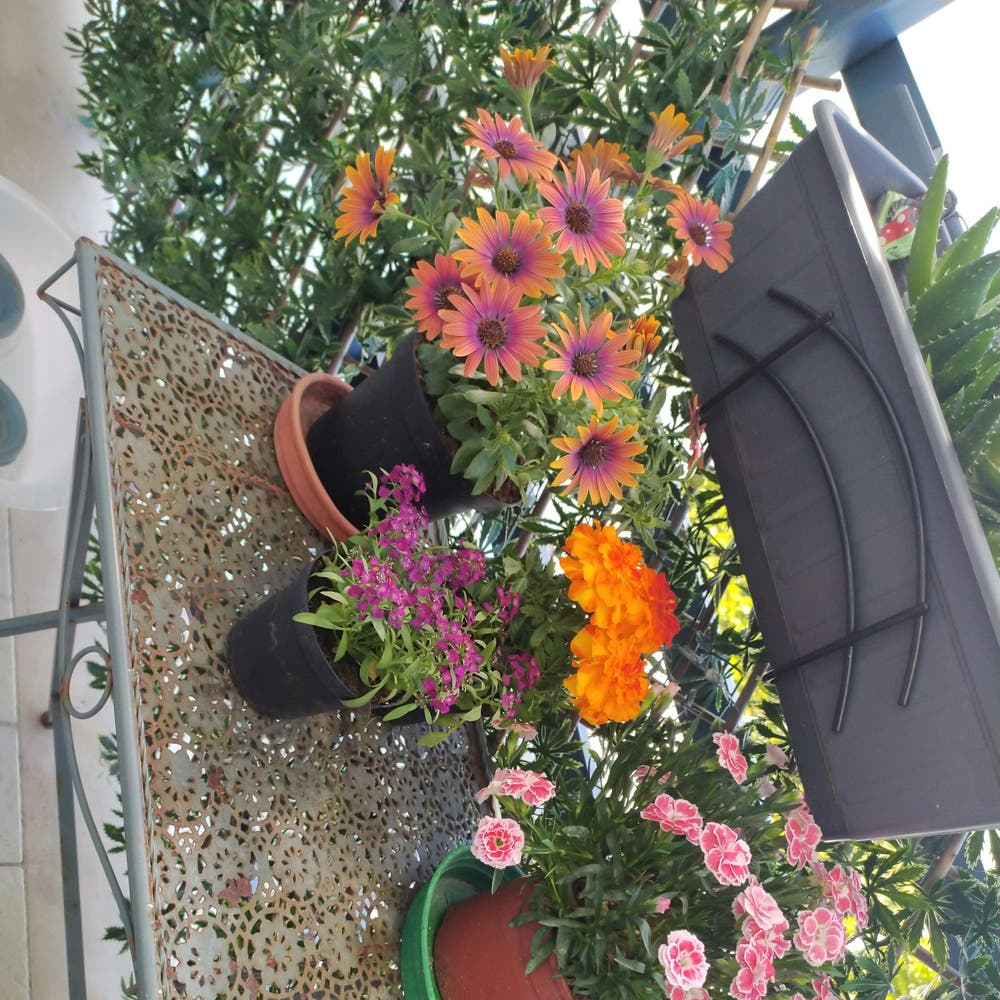
For borders, its delicate flowers create a beautiful edge, adding color and charm. Container gardening is another excellent option, as Sweet Alyssum thrives in pots, bringing life to patios and balconies.
Benefits of Incorporating Sweet Alyssum 🌸
Incorporating Sweet Alyssum into your garden has multiple benefits. It attracts pollinators like bees and butterflies, which are essential for a healthy ecosystem.
Additionally, its fragrant blooms enhance the overall aesthetics, making your garden a delightful space to enjoy.
Tips for Succession Planting 🌱
To ensure continuous blooming, consider staggered planting schedules. This technique allows you to enjoy a steady display of flowers throughout the growing season.
Aim to plant every 2-3 weeks for extended flowering. This approach keeps your garden vibrant and full of life.
Extending the Growing Season 🌿
To prolong Sweet Alyssum's lifecycle, consider using cold frames or greenhouses. These methods create a controlled environment, allowing for earlier planting and extended growth.
Seasonal care is also crucial. Mulching and protective coverings can help Sweet Alyssum withstand cooler temperatures, ensuring it thrives even as seasons change.
By implementing these strategies, you can maximize the beauty and longevity of Sweet Alyssum in your garden. Next, let’s explore how to effectively manage its growth through proper care techniques.
⚠️ Safety First
This content is for general information and may contain errors, omissions, or outdated details. It is not medical, veterinary advice, or an endorsement of therapeutic claims.
Always consult a qualified healthcare professional before using any plant as food, medicine, or supplement.
Never eat any plant (or feed one to pets) without confirming its identity with at least two trusted sources.
If you suspect poisoning, call Poison Control (800) 222-1222, the Pet Poison Helpline (800) 213-6680, or your local emergency service immediately.
Spotted an error? Please report it here.
Transform your garden with vibrant Sweet Alyssum blooms 🌼 by using Greg's tailored watering reminders to keep your plants thriving from seed to flower!