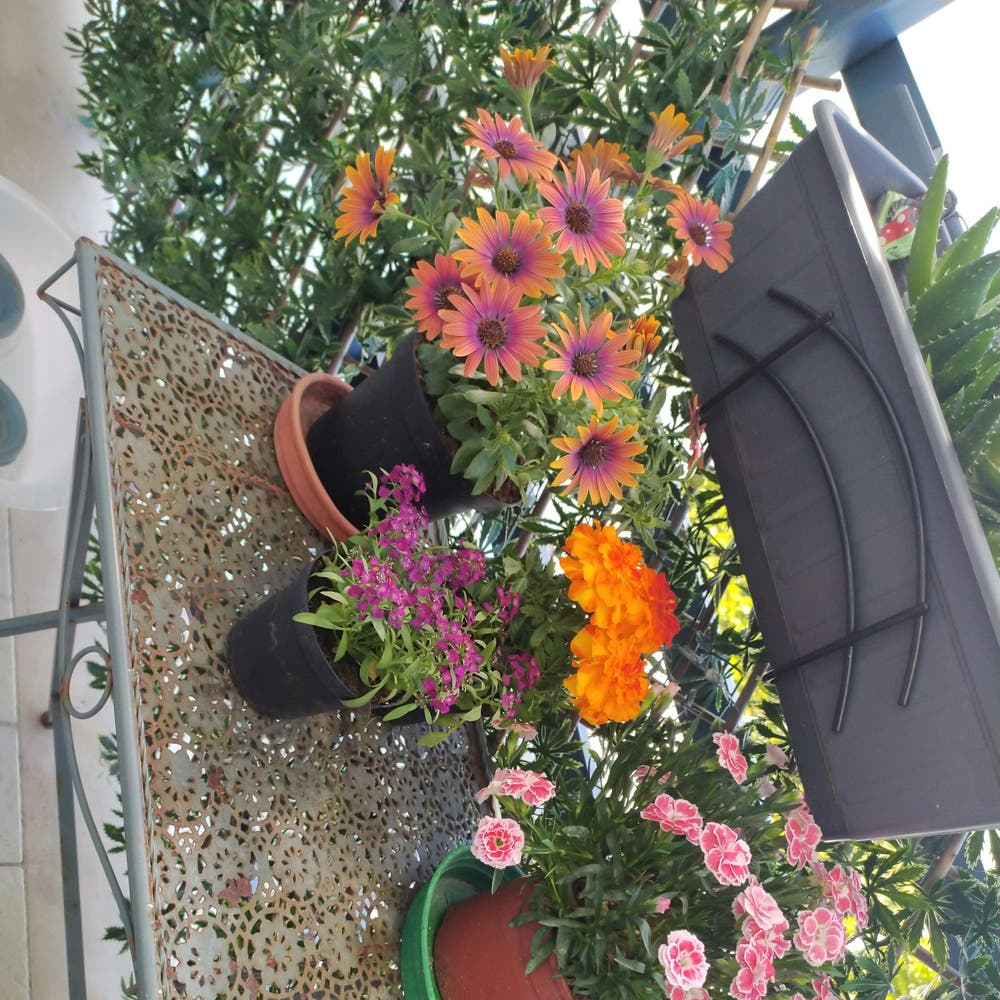
🐛 What Are The Bugs on My Sweet Alyssum?
Lobularia maritima
By the Greg Editorial Team
Jun 08, 2024•9 min read
This article was created with the help of AI so we can cover more plants for you. May contain errors. See one? Report it here.
- Identify pests early with signs like webbing, yellow spots, and sticky residue.
- Overwatering attracts fungus gnats and fruit flies to Sweet Alyssum.
- Use IPM strategies combining cultural, biological, and chemical methods.
Identifying Common Pests on Sweet Alyssum
🕷️ Spider Mites
Tiny webbing on your plant? You've got spider mites throwing a web party. Yellow spots on leaves are their graffiti. Get ready to evict them.
🦟 Scale Insects
Notice any brownish lumps on stems or leaves? Could be scale insects in stealth mode. Scrape 'em off to check for the squishy surprise underneath. Sticky residue? That's their calling card.
🦟 Fungus Gnats/Fruit Flies
If your Sweet Alyssum is more like a dive bar for gnats and fruit flies, look for adults buzzing around or larvae in the soil. Overwatering is the bouncer letting them in.
🐛 Mealybugs
A white, cottony mess on your plants is a sure sign of mealybugs. They're like tiny, sap-sucking squatters. Ants around? They might be farming these pests for their sugary waste.
🐜 Other Pests
Aphids love a stressed Sweet Alyssum, leaving a shiny, sticky mess. Whiteflies are also party crashers, fluttering around when disturbed. Yellowing leaves? Could be a pest sign or a cry for better care.
Keep an eye out for these pests, and you'll be one step closer to maintaining a healthy Sweet Alyssum garden.

Tackling Spider Mites
Spider mites are the bane of Sweet Alyssum, spinning their fine webs and wreaking havoc on your plants. Let's dive into how you can send these pests packing.
👀 Spotting the Culprits
Webbing on leaves is a telltale sign. For confirmation, the white paper test is your friend—shake the plant over it and look for moving red dots.
🌿 Natural Remedies
Predatory mites are like the ninjas of the insect world, stealthily taking down spider mites. Introduce them and watch the battle unfold. If you're into DIY, concoct a spicy pepper spray—think jalapeños or cayenne—to deter these pests.
☣️ Chemical Warfare
When the infestation is like a bad reality show that won't get canceled, it's time for chemicals. Miticides such as Sultan or Floramite SC can be effective, but use them as a last resort. Remember, overuse could turn your Sweet Alyssum into a mite magnet.
🌱 Cultural Practices
Keep your plants clean—dust is like a spider mite festival. A regular hosing down can prevent a mite city from being established.
🛡️ Proactive Measures
Change water in cut flower vases; stagnant water is a spider mite spa. And if you're using insecticidal soaps, make sure you hit the tops and bottoms of leaves. It's like checking both sides of a coin—both are crucial.
🚪 When to Accept Defeat
Sometimes, you've just got to know when to fold 'em. If your plant looks like it's been through a mite apocalypse, it might be time to toss it. Don't compost—unless you want a mite reunion tour.

Combating Scale Insects
Scale insects are sneaky critters that can wreak havoc on Sweet Alyssum. Let's dive into how to give these pests the boot.
🔍 Early Detection is Key
Inspect your plants regularly, especially the undersides of leaves and stem joints. Catching scale early means easier management. Look out for the telltale sign of black sooty mold.
🌿 Organic Remedies
Go green with your pest control. Mix water, dish soap, vegetable oil, and alcohol for a DIY spray. For a more natural approach, try fermented nettle. Remember, no harsh chemicals means you're doing a solid for the environment.
🧼 Physical Removal
Got a small infestation? Get hands-on. Use a 50/50 mix of water and Isopropyl Alcohol to wipe down affected areas. A cotton bud or soft brush will be your weapon of choice here.
🌱 Horticultural Oils
When scale gets stubborn, bring in the big guns: horticultural oils like Neem. Apply directly, but don't drown your plants in it. Rinse off after the battle to avoid residue.
💉 Systemic Insecticides
For a severe invasion, systemic treatments like pyriproxyfen can help. Follow the label to the letter and keep an eye on the calendar—efficacy can vary with the seasons.
🕰 Patience and Persistence
Don't expect overnight success. It's a marathon, not a sprint. Consistency in treatment is your ally in the long fight against scale.
🐜 Ant Control
Ants love to farm scale insects for honeydew. Control ants, and you'll cut off the scale's support system.
🐞 Encourage Natural Predators
Invite the good guys to the party. Ladybirds and parasitoid wasps are nature's pest control agents. They'll munch on scale insects like it's their job—because it is.

Managing Fungus Gnats and Fruit Flies
🐜 Identifying the Invaders
Fungus gnats and fruit flies are notorious for their love of moisture and decay. Fungus gnats are the tiny black flies you'll find lurking in your plant soil, while fruit flies are the slightly larger, pesky insects hovering around your overripe kitchen fruit. Both are more than a mere nuisance—they're a threat to plant health.
💧 Winning the War on Moisture
Overwatering is like sending an open invitation to these pests. Let the soil dry out between waterings to disrupt their breeding cycle. If you're more of a hands-on plant parent, repotting with fresh, well-draining soil can evict any larvae setting up camp.
🪰 Trapping Tactics
Yellow sticky traps are the silent assassins in the fight against gnats. They're simple, effective, and satisfying to check. For a DIY approach, apple cider vinegar traps are the way to go—just don't forget to poke those holes in your plastic wrap.
🦠 Biological Battalions
Unleash the microscopic might of beneficial nematodes to target gnat larvae. For those seeking an organic solution, Bacillus thuringiensis var. israelensis (BTI) is a game-changer, decimating gnat populations without harming your plants.
🧹 Housekeeping Habits
Keep your plant area clean—decaying plant matter is a buffet for gnats. Regularly inspect new plants for signs of infestation; think of it as a background check for your greenery.
☣️ Chemical Confrontations
If all else fails and you're feeling combative, a diluted hydrogen peroxide solution can be your chemical weapon of choice. Just remember, it's a last resort—like calling in the big guns when diplomacy fails.
Remember, the key to victory is vigilance. Keep your plants dry, traps set, and eyes peeled. With these strategies, you'll send those gnats and flies packing.
Eradicating Mealybugs
Eradicating mealybugs requires a multi-faceted approach. These pests, resembling tiny cotton clumps, can wreak havoc on Sweet Alyssum and other beloved plants.
🐜 Immediate Actions
Rubbing Alcohol: A quick fix involves dabbing mealybugs with a cotton swab soaked in rubbing alcohol. This method kills them on contact.
Water Spray: For a non-chemical route, blast mealybugs off with water. However, this may not reach all the nooks where they hide.
🐞 Biological Warfare
Beneficial Insects: Unleash natural predators like ladybugs and lacewings. They're the garden's own pest control agents, hungry for mealybugs.
🌿 Insecticides
Soaps and Oils: Insecticidal soaps and horticultural oils can be effective, but follow the label to the letter.
Systemic Insecticides: For severe cases, systemic insecticides may be necessary. Use them as a last resort and handle with care.
🌱 Cultural Practices
Ant Management: Control ants, as they protect mealybugs in exchange for honeydew. Without ants, natural predators have a better shot.
Plant Vigor: Keep plants healthy to withstand some mealybug damage. Stress-free plants are less inviting to pests.
Regular Inspections: Stay vigilant. Early detection means easier control.
💡 Pro Tips
Isolation: If you spot mealybugs, isolate the affected plant immediately to prevent spread.
Pruning: Cut away infested areas. Sometimes, it's better to lose a leaf than a whole plant.
Remember, persistence is key. Mealybugs are stubborn, but with consistent effort, they can be beaten.
Dealing with Other Pests
🐜 Aphids: The Sap-Suckers
Aphids are tiny but mighty, with a penchant for the underside of leaves. They come in various colors and can multiply faster than you can say "infestation." Check regularly for these pests, especially under leaves, and be prepared to act swiftly.
🦟 Whiteflies: Ghostly Plant Drainers
Whiteflies, not to be mistaken for dandruff, can swarm your Sweet Alyssum when disturbed. They love to feast on plant juices and excrete sticky honeydew. Spot them by the cloud of tiny white insects that take flight when you rustle the plant.
🛡️ Control Tactics
- Blast them away with a strong stream of water. It's like a mini hurricane for pests, but your plants will just feel like they're taking a shower.
- Introduce predators like ladybugs or lacewings; they're the bouncers of the garden, keeping the riff-raff in check.
- Insecticidal soaps or neem oil can be your go-to for a clean sweep. Apply thoroughly, especially under leaves, and repeat as necessary.
🛡️ Prevention
- Inspect new plants like a detective at a crime scene. Quarantine newcomers to ensure they're not smuggling in unwanted guests.
- Keep things tidy; debris and weeds are the equivalent of a free motel for pests.
- Stay vigilant; regular check-ups can prevent a full-blown pest party on your Sweet Alyssum.
Prevention Strategies for Sweet Alyssum
Sweet Alyssum, a buffet for beneficial insects, can fall prey to pests. Here's how to shield your blooms from unwanted guests.
🌱 Cultural Strategies
Rotate your crops; don't plant Sweet Alyssum in the same spot every year. This simple act can disrupt the life cycle of pests. Proper spacing is crucial; overcrowded plants create a haven for pests and disease.
🐞 Biological Strategies
Invite predatory insects by planting Sweet Alyssum alongside herbs like dill and rosemary. These allies will feast on pests like aphids and caterpillars. Neem oil and insecticidal soap are your go-to for early signs of infestation—apply with vigilance.
⚗️ Chemical Strategies
Use fungicides judiciously to prevent fungal diseases. But don't go overboard; overuse can harm the ecosystem. Balanced fertilization is key; avoid high nitrogen levels that attract aphids and encourage tender shoots.
🛡️ Integrated Pest Management (IPM)
Combine cultural, biological, and chemical strategies for an IPM approach. Monitor your plants, identify pests early, and choose the least harmful control method. Remember, the goal is prevention, not annihilation.
🚫 Quarantine New Plants
Inspect new plants like a hawk. Quarantine them to ensure they're not Trojan horses bringing pests into your garden.
🚰 Watering and Drainage
Avoid overwatering; wet conditions are a breeding ground for diseases like downy mildew. Ensure your Sweet Alyssum has well-draining soil to prevent root rot.
✂️ Pruning and Deadheading
Keep your Sweet Alyssum trimmed and tidy. Deadheading encourages new blooms and prevents leggy growth. For larger drifts, shearing might be more practical.
👀 Vigilance is Key
Regular inspections can catch pests before they throw a party on your plants. Be the bouncer of your garden—only the good bugs get past the velvet rope.
⚠️ Safety First
This content is for general information and may contain errors, omissions, or outdated details. It is not medical, veterinary advice, or an endorsement of therapeutic claims.
Always consult a qualified healthcare professional before using any plant as food, medicine, or supplement.
Never eat any plant (or feed one to pets) without confirming its identity with at least two trusted sources.
If you suspect poisoning, call Poison Control (800) 222-1222, the Pet Poison Helpline (800) 213-6680, or your local emergency service immediately.
Spotted an error? Please report it here.
Ensure your Sweet Alyssum stays pest-free 🌱 with Greg's personalized care reminders and proactive pest management tips, keeping your garden serene and your plants healthy.