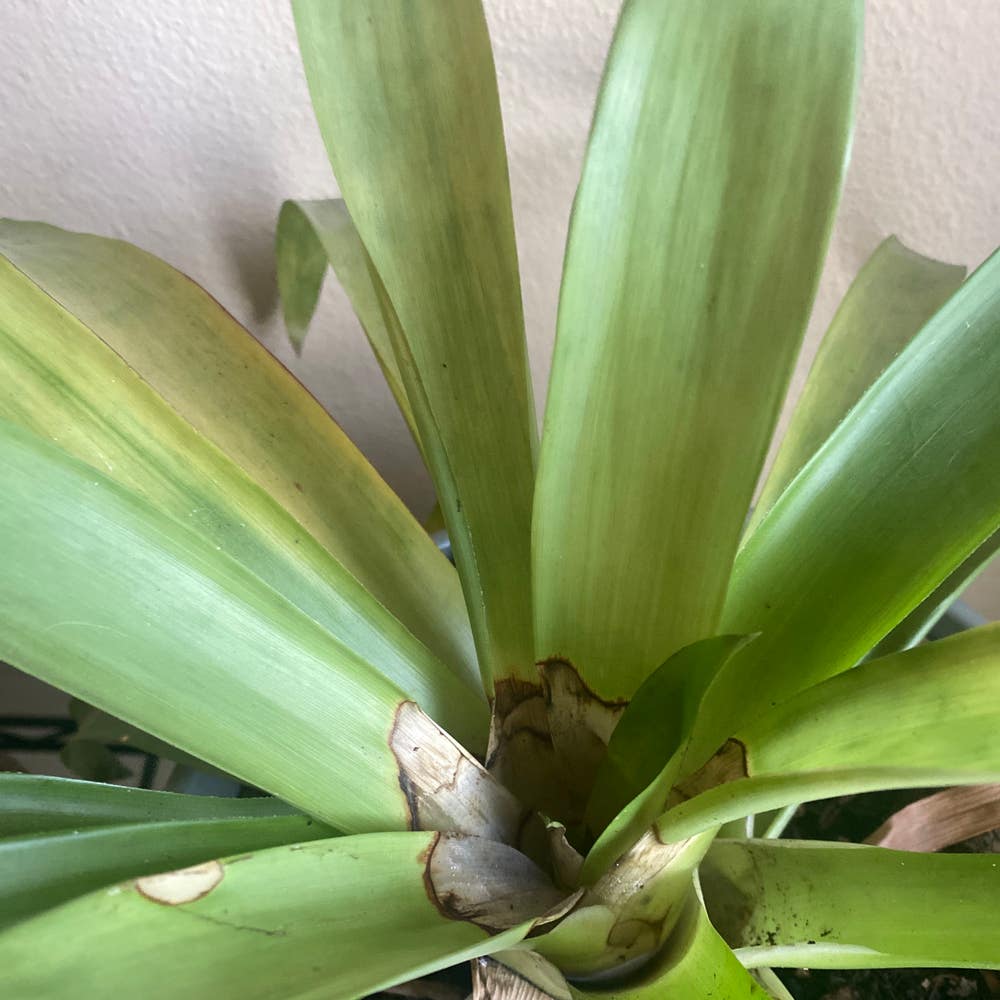
🍭 What's Eating Your Neoregelia 'Cotton Candy'
Neoregelia 'Cotton Candy'
By the Greg Editorial Team
Sep 29, 2024•6 min read
This article was created with the help of AI so we can cover more plants for you. May contain errors. See one? Report it here.
- 🌸 Neoregelia 'Cotton Candy' attracts herbivores like deer, rabbits, and squirrels—watch out!
- 🚫 Effective deterrents include repellents, fencing, and companion planting for protection.
- 🌱 Regular monitoring is key to preventing herbivore damage and ensuring plant health.
Description and Appeal
Appearance and Unique Features 🌸
Neoregelia 'Cotton Candy' captivates with its vibrant pink and green foliage. The striking rosette shape not only enhances its visual appeal but also makes it a stunning centerpiece in any garden.
Seasonal blooms add another layer of charm, showcasing attractive flowers that draw the eye and invite admiration. This combination of color and form makes it a favorite among plant enthusiasts.
Most Appealing Parts to Animals 🐾
Young shoots are particularly appealing to herbivores, as they are tender and nutrient-rich. The bright flowers, with their sweet nectar, attract various animals looking for a tasty treat.
Fruits also play a significant role, being nutrient-dense and easily accessible. This makes Neoregelia 'Cotton Candy' a prime target for a variety of hungry visitors.
In summary, the plant's vibrant features and nutrient-rich parts create a delightful buffet for both humans and animals alike. Understanding these aspects can help you protect your prized plant while enjoying its beauty.
Common Herbivores
🦌 Deer
Signs of Presence and Damage
Look for hoof prints in the soil, which indicate deer have been nearby. You may also notice leaves stripped from the plant, leading to stunted growth and loss of foliage.
Interaction Type
Deer are generally harmful to Neoregelia 'Cotton Candy.' If not managed, they can decimate populations quickly.
Deterrent Methods
To keep deer at bay, consider using commercial deer repellents. Alternatively, planting deer-resistant species nearby or using human hair and soap shavings can be effective organic methods.
🐇 Rabbits
Signs of Presence and Damage
Rabbits leave small, round droppings near the plant. They often cause damage by cleanly cutting leaves and stems.
Interaction Type
Rabbits are also generally harmful, leading to significant plant damage if left unchecked.
Deterrent Methods
Bitter-tasting sprays can deter rabbits effectively. For a more organic approach, erect fencing that is 2-3 feet high and consider planting rabbit-resistant plants.
🐿️ Squirrels
Signs of Presence and Damage
Squirrels leave behind chewed leaves and stems. You might also find nesting materials like twigs and leaves taken from your plant.
Interaction Type
Squirrels can be generally harmful, causing structural damage to the plant.
Deterrent Methods
Capsaicin-based sprays can deter squirrels. Installing squirrel-proof feeders and using reflective objects can also help keep them away.
🐦 Birds
Signs of Presence and Damage
Look for peck marks on leaves and flowers, as well as nesting materials taken from the plant.
Interaction Type
Birds have mixed interactions with Neoregelia 'Cotton Candy.' While some may help with pollination, others can cause damage.
Deterrent Methods
Non-toxic bird repellents can be effective. Alternatively, using netting or reflective tape can help deter them without harming the birds.
🐭 Rodents
Signs of Presence and Damage
Rodents leave gnaw marks on stems and leaves. You may also find burrows or nests near the plant.
Interaction Type
Rodents are generally harmful and can lead to severe plant damage.
Deterrent Methods
For chemical deterrents, consider using rodent bait stations. Organic options include traps and planting mint or other deterrent plants nearby.
Understanding these common herbivores and their interactions with Neoregelia 'Cotton Candy' is crucial for maintaining its health. By employing effective deterrent methods, you can protect your plant and enjoy its vibrant beauty. Next, let’s explore the beneficial animals that can enhance your garden's ecosystem.
Beneficial Animals
Description and Role 🐝
Neoregelia 'Cotton Candy' thrives not just from care but also from the help of beneficial animals. Pollinators like bees and butterflies are drawn to its vibrant flowers, playing a crucial role in the plant's reproductive cycle.
Predatory insects, such as ladybugs and lacewings, also contribute significantly. They keep pest populations in check, ensuring your plant remains healthy and vibrant.
Positive Impacts 🌼
The presence of these pollinators leads to enhanced fruiting. More flowers mean more chances for fruit development, which is essential for the plant's lifecycle.
Additionally, natural pest control reduces the need for chemical interventions. This not only benefits your Neoregelia but also promotes a healthier garden ecosystem.
By fostering a welcoming environment for these beneficial animals, you create a thriving habitat that supports both your plants and local wildlife.
Protection Strategies
🛡️ Preventive Measures
To keep your Neoregelia 'Cotton Candy' safe, consider using fencing and barriers. These can effectively deter larger herbivores like deer, ensuring your plant thrives.
Companion planting is another smart strategy. By surrounding your Neoregelia with deterrent species, you create a natural barrier that can confuse or repel hungry animals.
⚠️ Reactive Solutions
Regular monitoring is key to catching any signs of damage early. Look for unusual nibbling or discoloration, and act quickly if you spot any herbivores.
Immediate action can save your plant from significant harm. If you notice any unwanted visitors, take steps to remove them or apply deterrents right away.
🌱 Seasonal Variations
Be aware that herbivore activity tends to spike in spring and summer. This is when many animals are foraging for food to feed their young.
Implementing seasonal protection strategies, like temporary fencing, can provide an extra layer of defense during these peak times. Staying proactive will help your Neoregelia flourish throughout the year.
With these protection strategies in place, you can enjoy the beauty of your Neoregelia 'Cotton Candy' while minimizing the risks posed by herbivores. Next, let’s explore the toxicity and ecological considerations surrounding this vibrant plant.
Toxicity and Ecological Considerations
Toxic Effects 🌿
Neoregelia 'Cotton Candy' exhibits mild toxicity, which can act as a natural deterrent for some herbivores. While this toxicity is generally not severe, certain animals may experience gastrointestinal issues if they consume the plant.
Balanced Ecosystem 🌍
It's essential to recognize that herbivores play a vital role in nutrient cycling within ecosystems. By understanding their impact, we can develop strategies for coexistence that protect Neoregelia 'Cotton Candy' while allowing these animals to thrive.
Coexistence Strategies 🤝
Implementing companion planting can help create a balanced environment. Pairing Neoregelia with plants that deter herbivores can minimize damage while fostering a healthy ecosystem.
Monitoring and Adaptation 🔍
Regularly monitoring your plants for signs of herbivore activity is crucial. By staying vigilant, you can adapt your protection strategies as needed, ensuring the health of your Neoregelia 'Cotton Candy'.
Conclusion 🌱
Incorporating these ecological considerations not only protects your plants but also enriches the garden's biodiversity. Embracing this balance can lead to a thriving, vibrant garden that benefits both plants and wildlife.
Next, we will explore effective protection strategies to safeguard your Neoregelia 'Cotton Candy' from herbivores.
⚠️ Safety First
This content is for general information and may contain errors, omissions, or outdated details. It is not medical, veterinary advice, or an endorsement of therapeutic claims.
Always consult a qualified healthcare professional before using any plant as food, medicine, or supplement.
Never eat any plant (or feed one to pets) without confirming its identity with at least two trusted sources.
If you suspect poisoning, call Poison Control (800) 222-1222, the Pet Poison Helpline (800) 213-6680, or your local emergency service immediately.
Spotted an error? Please report it here.
Keep your Neoregelia 'Cotton Candy' vibrant and safe 🌸 by using Greg's personalized deterrent tips and monitoring alerts to fend off pesky herbivores!