Where Can Neoregelia 'Cotton Candy' Grow? Zones 10a-12b 🍬
Neoregelia 'Cotton Candy'
By the Greg Editorial Team
Sep 29, 2024•4 min read
This article was created with the help of AI so we can cover more plants for you. May contain errors. See one? Report it here.
- 🌡️ Neoregelia 'Cotton Candy' thrives in USDA zones 10a-12b, needing warmth and humidity.
- ❄️ Protect from frost; temperatures below 30°F can damage this sensitive plant.
- 🌴 Ideal locations include California, Florida, and Texas for optimal growth conditions.
Temperature Tolerance of Neoregelia 'Cotton Candy'
❄️ Cold Tolerance Specifics
Neoregelia 'Cotton Candy' is sensitive to frost and requires protection from temperatures below 30°F (-1°C). This makes understanding the timing of the first frost crucial for successful planting.
In many regions, the first frost can occur as early as late fall. Knowing this helps gardeners plan when to bring their plants indoors or provide additional protection.
☀️ Heat Tolerance Specifics
This vibrant plant thrives in warm, humid environments typical of USDA zones 10a-12b. It loves temperatures that consistently stay above 50°F (10°C).
Understanding the last frost date is equally important. Planting after this date ensures that your Neoregelia 'Cotton Candy' can establish itself without the risk of cold damage.
🌡️ Impact of Temperature Extremes on Growth
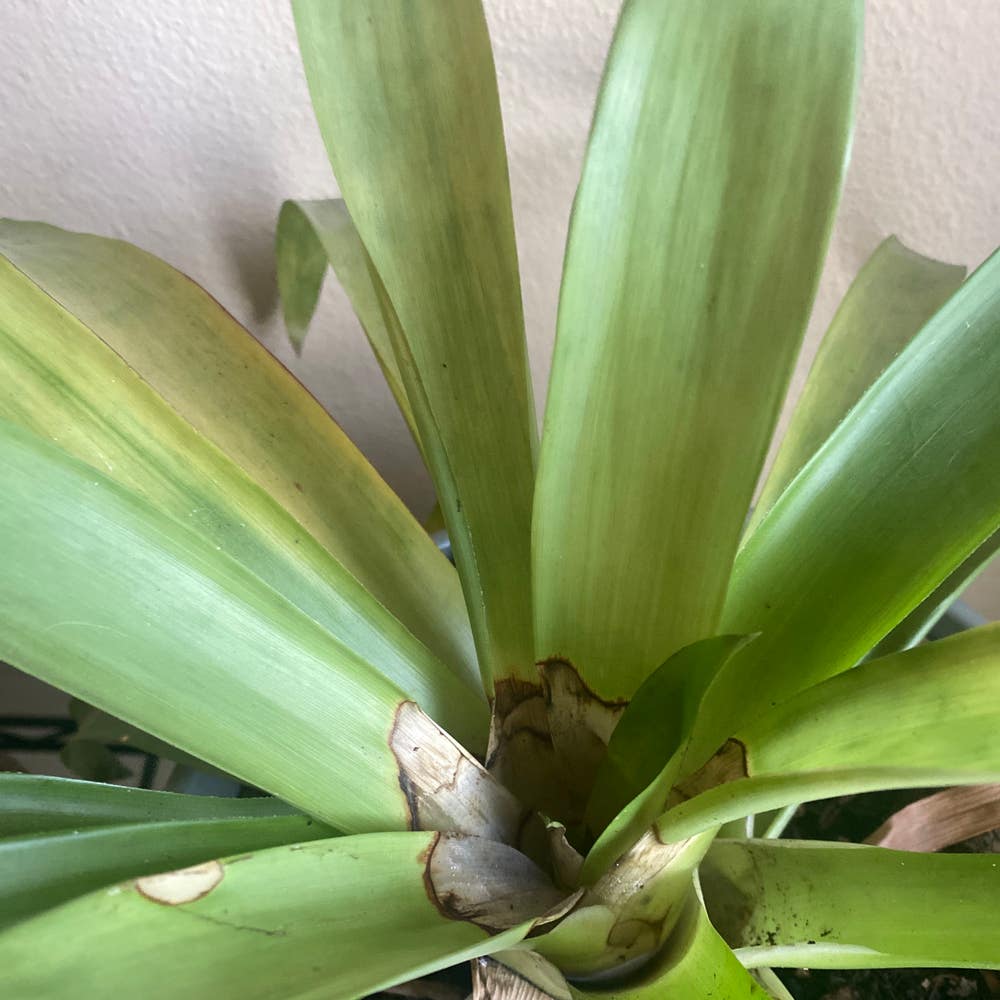
Cold snaps can lead to potential damage to the foliage, affecting the overall health of the plant. If temperatures drop unexpectedly, you might notice wilting or discoloration.
On the flip side, excessive heat can stress the plant, leading to wilting or reduced growth. Keeping an eye on temperature extremes is key to maintaining a healthy Neoregelia 'Cotton Candy'.
With a solid grasp of temperature tolerance, you're well on your way to creating the perfect environment for your plant. Next, let’s explore the ideal growing regions for Neoregelia 'Cotton Candy'.
Ideal Growing Regions for Neoregelia 'Cotton Candy'
🌎 Examples of US States in Suitable Zones (10a-12b)
Neoregelia 'Cotton Candy' flourishes in specific regions of the United States.
- California: Particularly in coastal areas and the southern regions, where the climate remains warm and inviting.
- Florida: This state offers ideal conditions throughout, especially in its southern parts.
- Texas: The southern and coastal areas provide a perfect environment for this vibrant plant.
🌱 Factors Contributing to Ideal Growing Conditions
Several key factors make these regions suitable for Neoregelia 'Cotton Candy'.
- Warm Temperatures: Consistent warmth year-round is crucial for healthy growth.
- Humidity Levels: High humidity is essential, as it mimics the plant's native tropical habitat.
- Soil Conditions: Well-draining soil that retains some moisture is vital to prevent root rot while ensuring the plant has access to water.
These elements combine to create a nurturing environment, allowing Neoregelia 'Cotton Candy' to thrive.
Understanding these ideal growing conditions can help you cultivate this stunning plant successfully. Next, let’s explore how microclimates can further enhance its growing potential.
Microclimates and Their Effects
How Microclimates Can Extend Growing Range 🌱
Microclimates are localized areas that can significantly alter the growing conditions for plants like Neoregelia 'Cotton Candy.' They offer protection from frost, increased warmth, and enhanced humidity, creating a more favorable environment for growth.
These microclimates can be found in various settings, such as areas near bodies of water, sheltered gardens, or urban environments. Each of these locations can provide unique advantages that help extend the growing range of this beautiful bromeliad.
Examples of Microclimates in the US 🌍
Coastal areas often benefit from the influence of ocean breezes, which help moderate temperatures. This can create a more stable climate, ideal for Neoregelia 'Cotton Candy' to thrive.
Urban areas also present interesting microclimates due to heat retention. The concrete and asphalt absorb and radiate heat, resulting in warmer conditions that can be beneficial for growing tropical plants.
Understanding these microclimates can empower gardeners to make informed decisions about where to plant their Neoregelia 'Cotton Candy,' maximizing their chances for success.
As we explore the ideal growing regions next, consider how these microclimates might play a role in your gardening strategy.
State-Level Suitability Analysis
🌟 List of States Suitable for Neoregelia 'Cotton Candy'
Neoregelia 'Cotton Candy' thrives in several states that offer the perfect climate for its growth. The top contenders include:
- California: Particularly in coastal and southern regions, where temperatures remain warm year-round.
- Florida: This state provides a consistently humid environment, ideal for tropical plants.
- Texas: Southern and coastal areas of Texas offer the warmth and humidity that 'Cotton Candy' craves.
- Hawaii: The tropical climate is a natural fit for this vibrant bromeliad.
- Louisiana: Warm temperatures and high humidity levels create a welcoming habitat.
These states are suitable primarily due to their consistent warm temperatures, high humidity, and minimal frost occurrences.
🚫 List of States Unsuitable for Neoregelia 'Cotton Candy'
On the flip side, some states are not conducive to growing Neoregelia 'Cotton Candy'. These include:
- North Dakota
- Montana
- Wyoming
- Minnesota
- Maine
These states face challenges like frequent frost and cold temperatures, making them unsuitable for this sensitive plant.
❓ Reasons for Suitability or Unsuitability
Understanding why certain states are suitable or unsuitable is crucial for potential growers.
- Cold Tolerance: Neoregelia 'Cotton Candy' is sensitive to frost and cannot withstand temperatures below 30°F (-1°C).
- Heat Tolerance: It thrives in warm, humid environments typical of tropical climates, which are abundant in the suitable states.
By choosing the right location, you can ensure your Neoregelia 'Cotton Candy' flourishes beautifully. Next, let’s explore how microclimates can further influence its growing potential.
⚠️ Safety First
This content is for general information and may contain errors, omissions, or outdated details. It is not medical, veterinary advice, or an endorsement of therapeutic claims.
Always consult a qualified healthcare professional before using any plant as food, medicine, or supplement.
Never eat any plant (or feed one to pets) without confirming its identity with at least two trusted sources.
If you suspect poisoning, call Poison Control (800) 222-1222, the Pet Poison Helpline (800) 213-6680, or your local emergency service immediately.
Spotted an error? Please report it here.
Grow your Neoregelia 'Cotton Candy' flourishingly 🌺 by using Greg's tailored reminders for humidity and frost protection to create the perfect tropical paradise right at home!