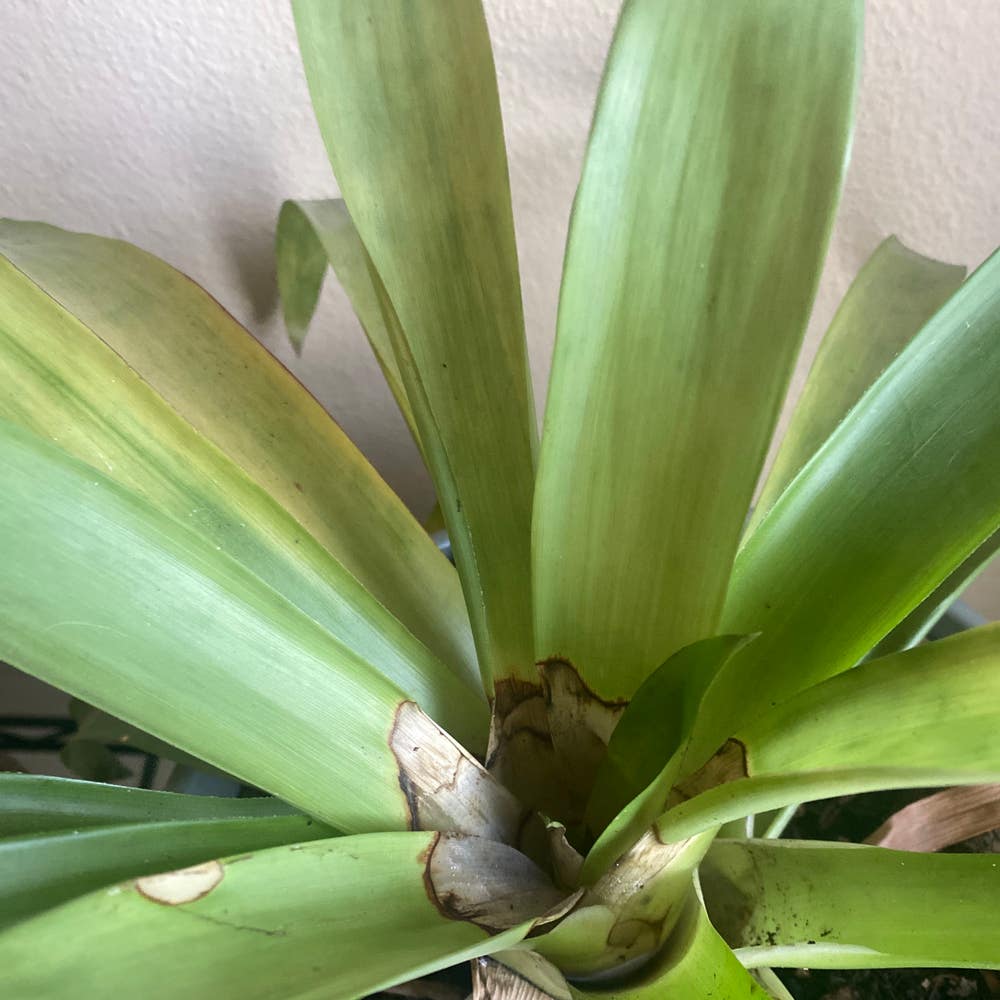
Best Potting Soil Mix for Neoregelia 'Cotton Candy'
Neoregelia 'Cotton Candy'
By the Greg Editorial Team
Mar 19, 2024•3 min read
This article was created with the help of AI so we can cover more plants for you. May contain errors. See one? Report it here.
- 🌱 Mold and soggy soil signal overwatering and poor air circulation.
- Equal parts orchid bark, perlite, peat moss for the perfect mix.
- 🛠️ Customize store-bought soil with additives for better drainage and nutrition.
Spotting Trouble: When Soil Goes Bad
🚩 Signs Your Soil is Unhappy
- Mold in your soil is a red flag. It's not just unsightly; it's a sign of excess moisture and poor air circulation. Look for fuzzy growth or a musty smell.
- Waterlogging woes: How to tell if your soil is too soggy? If the soil feels like a soggy sponge, it's too wet. Conversely, soil that's hard and dry indicates underwatering or compaction. Both extremes are harmful to your plant's health.
🛠 Fixing the Soil Faux Pas
- Kicking mold to the curb: Remedies and prevention involve cutting back on watering and boosting airflow. Sunlight is your ally here. In extreme cases, a complete soil change is your best bet.
- Draining dilemmas: Solutions for waterlogged soil include pausing the watering. Let the top layer dry out, and consider adding perlite for improved drainage. Remember, your plant's roots need air as much as they need water.
Crafting the Perfect Potting Mix
The Ideal Ingredients
Orchid bark, perlite, and peat moss form the holy trinity for Neoregelia 'Cotton Candy' potting mix. Each brings a unique benefit: orchid bark for aeration, perlite for drainage, and peat moss for moisture retention. Together, they create an environment that mimics the plant's natural habitat.
Balancing act: Getting the proportions right
The mix should be equal parts of each component. This balance ensures the soil is light and airy, yet capable of holding just enough moisture without becoming waterlogged. Precision is key; eyeballing it might work for a seasoned pro, but measuring is recommended for consistency.
Mixing It Up: Your DIY Soil Recipe
Step-by-step to soil success
- Measure out equal parts of orchid bark, perlite, and peat moss.
- Mix them together thoroughly to avoid clumping and ensure even distribution.
- Adjust the mix based on your plant's reaction over time—more perlite if it's too damp, more peat moss if too dry.
Sterilization: Keeping your mix clean and plant-friendly
🔥 Sterilize your mix by baking it at 200°F for 30 minutes. This step is crucial to eliminate any pathogens. Let the mix cool down before potting to avoid root shock. Remember, a clean start is a leap towards healthy growth.
Store-Bought vs. Homemade: Making the Choice
🌱 Pros and Cons of Pre-Mixed Soils
When it comes to convenience, store-bought soil mixes are the equivalent of a quick microwavable meal for your Neoregelia 'Cotton Candy'. They're ready to use, saving you time and the hassle of sourcing individual components. However, this ease might come with a cost—both financially and in terms of suitability for your plant's unique needs.
Commercial mixes are often a one-size-fits-all solution, which may not hit the mark for the specific drainage and aeration requirements of 'Cotton Candy'. Moreover, consistency in quality can vary, leaving you with a soil that's either too dense or too loose. And let's not forget, the price tag on these bags can sometimes make you wince.
Tailoring Store-Bought Mixes
So, you've grabbed a commercial mix off the shelf—now what? It's time to play soil scientist. You can tweak these pre-mixed soils to better suit your Neoregelia 'Cotton Candy'. Start by assessing the mix's drainage; if it's more swamp than well-drained pot, consider adding perlite or coarse sand to improve airflow and water flow.
If the mix is too dry, throwing in a bit of peat moss can help retain just the right amount of moisture. And don't forget about nutrition—your 'Cotton Candy' will thank you for a sprinkle of slow-release fertilizer mixed in. It's about finding that sweet spot where convenience meets customization, without your plant suffering the consequences of a mismatched home.
⚠️ Safety First
This content is for general information and may contain errors, omissions, or outdated details. It is not medical, veterinary advice, or an endorsement of therapeutic claims.
Always consult a qualified healthcare professional before using any plant as food, medicine, or supplement.
Never eat any plant (or feed one to pets) without confirming its identity with at least two trusted sources.
If you suspect poisoning, call Poison Control (800) 222-1222, the Pet Poison Helpline (800) 213-6680, or your local emergency service immediately.
Spotted an error? Please report it here.
Keep your Neoregelia 'Cotton Candy' thriving in its ideal potting mix by dodging overwatering and mold 🌿 with Greg's custom watering plans and reminders.