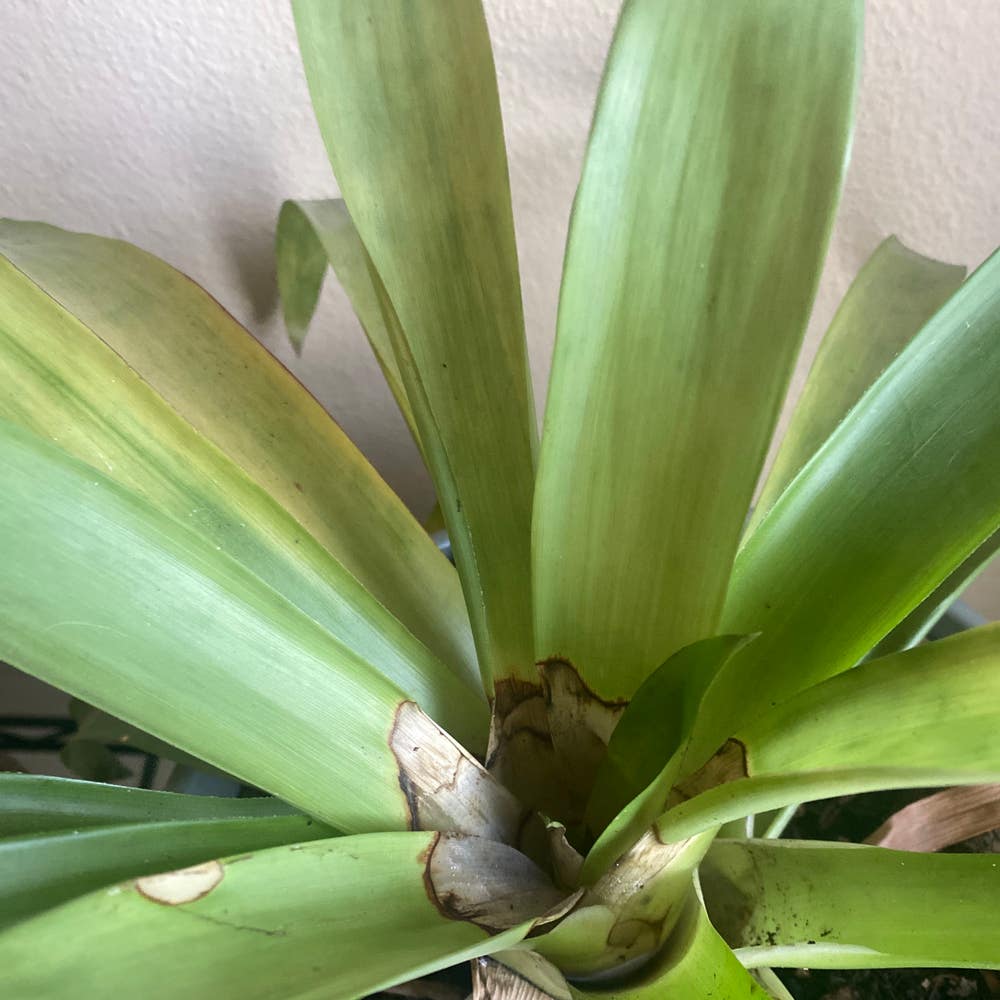
Propagating Neoregelia 'Cotton Candy': Step-by-Step Guide
Neoregelia 'Cotton Candy'
By the Greg Editorial Team
Mar 18, 2024•5 min read
This article was created with the help of AI so we can cover more plants for you. May contain errors. See one? Report it here.
- Choose wisely: offsets, division, or seeds each offer unique propagation paths.
- Clean and patient: Ensure cleanliness and patience for propagation success.
- Monitor and adjust care post-propagation to troubleshoot and promote growth.
Kickstarting the Propagation Journey
🌱 Choosing Your Method
In the propagation game, choices matter. Offsets are your shortcut to a new plant that's a genetic twin of the parent—no surprises. Division is the plant equivalent of a budding friendship, where you split and multiply your green pals. Seed propagation? That's the long haul, perfect for those who revel in the anticipation of growth. Each method has its fans, and it's all about what vibes with your gardening style.
🧼 Preparing Your Space
Cleanliness reigns supreme in the propagation world. Sterilize those shears, because plant surgery requires precision and hygiene. Set up a propagation station that's tidy and flat—think of it as a launchpad for your plantlets. You want a space where your green offspring can bask in a spa-like ambiance, not a boot camp. Get the temperature, light, and humidity to play nice, and you've got a recipe for a green thumb's paradise.
Offsets Propagation: A Natural Choice
🌱 Spotting and Snipping Offsets
In the propagation arena, offsets are your low-hanging fruit. They're the plantlets that huddle around the mother Neoregelia 'Cotton Candy', flaunting their own roots. Size matters; you're looking for offsets that have bulked up, showing they're ready to strike out on their own. Sterilize your scissors or knife—this is surgery, not a backyard brawl. Snip with precision, keeping a chunk of roots attached to give your offset a fighting chance in the wilds of your garden.
🌿 Planting Your Future Bromeliads
Once you've liberated your offsets, it's time to settle them into their new digs. Choose a well-draining soil mix—think of it as a comfy mattress that doesn't retain water. Plant them shallow, letting them strut their stuff above the soil line. Water them like they're in witness protection—sparingly and carefully, to avoid drawing the unwanted attention of root rot. Place them in a spot where the sun is a gentle kiss, not a scorching slap. Keep your eyes peeled for pests and show no mercy if they encroach. When you see new growth, it's a high-five moment—your offsets are officially on their way to becoming independent bromeliads.
Division Propagation: Doubling the Fun
🌱 When and How to Divide
Spring into action when spring arrives; that's your cue for division. Hydrate your Neoregelia 'Cotton Candy' a day or two before the big split to ease the roots' transition. With a sterile knife, separate the plant into sections, ensuring each has a fair share of roots and leaves. It's like a plant version of a trust fund—everyone gets a piece.
🌿 Post-Division Care
Post-division, your plants are like new hires; they need onboarding. Keep the soil moist, but don't drown them—think of it as a steady paycheck, not a bonus. Bright, indirect light is their new office space, and hold the fertilizer; they're not ready for that promotion yet. Watch for new growth—it's the plant equivalent of a successful probation period. And remember, pests and diseases are the office gossipers; shut them down with insecticidal soap or neem oil before they spread.
Seed Propagation: For the Patient Gardener
🌱 Sowing the Seeds of Tomorrow
To kick off seed propagation, create a sterile, nutrient-rich medium. A blend of fine bark and perlite works wonders. Sprinkle seeds on the surface; they're light junkies and need exposure to germinate. Avoid burying these delicate contenders. A gentle mist hydrates without causing a seed tsunami.
🕰 The Waiting Game
Patience is key during germination. Expect variability—some seeds pop early, others play the long game. Once true leaves debut, it's showtime for transplanting. Maintain a consistent moisture level like a plant nanny, neither drenching nor desertifying your green babies. Remember, you're not just growing plants; you're cultivating patience.
After Propagation: Ensuring Success
🌱 The First Few Weeks
In the initial weeks post-propagation, your Neoregelia 'Cotton Candy' is like a newborn—vulnerable but full of potential. Watering is your first test; aim for moist soil without crossing into the swampy territory. Overwatering is a rookie mistake, leading to root rot, while underwatering will have your plant gasping for a drink.
👀 Monitor and Adjust
Keep a hawk's eye on your bromeliad for signs of distress. Droopy leaves or a lackluster color palette? Time to tweak your care routine. It's not just about survival—it's about helping your plant thrive.
Acclimatization
If you've created a mini-greenhouse effect, don't rush to remove it. Gradually expose your plant to the real world, reducing cover over several days to prevent shock.
🛠 Troubleshooting Propagation Pitfalls
Propagation is a game of patience and precision. If your offsets are more limp than lively, it's not the end. Check your watering habits and give them another chance. Remember, resilience is your secret weapon.
Root Watch
New roots should be white and firm—a sure sign your plant is settling in. Using a transparent container can be a cheat sheet to success. No roots? Don't panic. Adjust one variable at a time and observe.
Pest Control
Pests are the party crashers nobody invited. Spot them early, and show them the door. Diseases? Act fast—think of it as cutting off a zombie outbreak before it goes full apocalypse.
Growth Signs
New shoots and leaves are your rewards along the way. Slow growth? Re-evaluate the light and nutrient situation. It's not a sprint; it's a marathon with your leafy friends.
⚠️ Safety First
This content is for general information and may contain errors, omissions, or outdated details. It is not medical, veterinary advice, or an endorsement of therapeutic claims.
Always consult a qualified healthcare professional before using any plant as food, medicine, or supplement.
Never eat any plant (or feed one to pets) without confirming its identity with at least two trusted sources.
If you suspect poisoning, call Poison Control (800) 222-1222, the Pet Poison Helpline (800) 213-6680, or your local emergency service immediately.
Spotted an error? Please report it here.
Embrace the resilience of propagation and watch your Neoregelia 'Cotton Candy' flourish; let Greg remind you 📅 when it's time for each crucial step, ensuring your green thumb success.