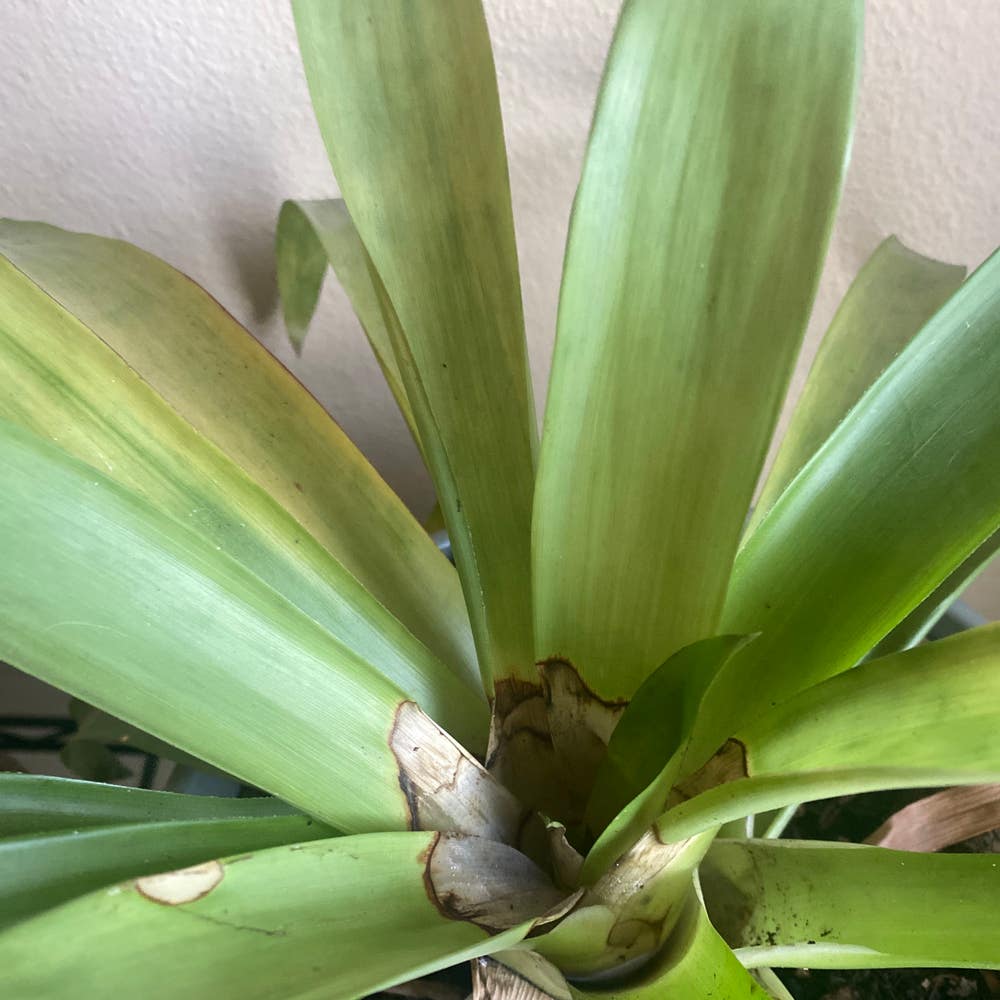
What to Do if Your Neoregelia 'Cotton Candy' Won't Flower 🌸
Neoregelia 'Cotton Candy'
By the Greg Editorial Team
Sep 29, 2024•5 min read
This article was created with the help of AI so we can cover more plants for you. May contain errors. See one? Report it here.
- 🌞 Bright, indirect light is essential for Neoregelia 'Cotton Candy' to bloom.
- 💧 Consistent watering and nutrients like phosphorus boost blooming potential.
- 🌡️ Maintain optimal temperature and humidity to prevent flower drop and encourage blooms.
Failure to Bloom
🌑 Causes of Failure to Bloom
Insufficient Light
One of the primary reasons your Neoregelia 'Cotton Candy' might not bloom is insufficient light. These plants thrive in bright, indirect light, which is crucial for triggering their bloom cycle.
Improper Watering
Another common culprit is improper watering. Both overwatering and underwatering can severely affect plant health, leading to a lack of blooms.
Nutrient Deficiencies
Nutrient deficiencies can also play a significant role in the failure to flower. Key nutrients, particularly phosphorus and potassium, are essential during the bloom cycle.
🌸 Solutions for Encouraging Blooming
Adjusting Light Exposure
To encourage blooming, adjust your plant's light exposure. Aim for a location that receives bright, indirect sunlight for several hours each day.
Optimizing Watering Schedule
Maintaining a consistent watering schedule is vital. Water your Neoregelia when the top inch of soil feels dry, ensuring you avoid waterlogging.
Fertilization Tips
Fertilization can make a big difference in blooming potential. Use a balanced fertilizer every 4-6 weeks during the growing season, focusing on those rich in phosphorus.
With these adjustments, your Neoregelia 'Cotton Candy' will be well on its way to producing beautiful blooms. Next, let’s explore what to do if you experience premature flower drop.
Premature Flower Drop
🌪️ Causes of Premature Flower Drop
Environmental Stress
Temperature fluctuations and humidity levels can wreak havoc on your Neoregelia 'Cotton Candy.' If your plant experiences sudden changes in its environment, it may drop its flowers prematurely.
Overwatering
Overwatering is a common culprit behind flower drop. Signs include yellowing leaves and a mushy base, indicating that your plant is struggling to retain its blooms.
Pest Infestations
Pests can also affect flowering. Common offenders like aphids and mealybugs not only sap the plant's energy but can also lead to flower loss.
🛠️ Solutions to Prevent Premature Flower Drop
Identifying Stress Factors
Start by assessing your plant's environment. Look for temperature extremes or low humidity and make adjustments to create a more stable atmosphere.
Proper Watering Techniques
Maintain a consistent watering schedule. Ensure the soil is moist but not soggy to prevent stress that can lead to flower drop.
Pest Management Strategies
Implement pest control methods as needed. Consider organic options like neem oil or insecticidal soap, or use chemical treatments if infestations are severe.
By addressing these factors, you can help your Neoregelia thrive and keep its blooms intact. Next, let’s explore how to encourage blooming in your plant.
Abnormal Flower Development
🌱 Causes of Abnormal Flower Development
Genetic Factors
Genetics play a crucial role in how Neoregelia 'Cotton Candy' flowers develop. Some plants may have inherent traits that affect their blooming patterns, leading to unexpected flower shapes or colors.
Inadequate Light
Insufficient light can severely impact flower quality. Without adequate bright, indirect light, the plant struggles to produce vibrant blooms, resulting in lackluster flowers.
Nutrient Imbalance
A nutrient imbalance can also lead to abnormal flower morphology. Both excess and deficiency of key nutrients can distort flower development, affecting their size and appearance.
🌼 Solutions for Normalizing Flower Development
Ensuring Proper Light Conditions
To encourage healthy blooms, adjust your plant's light exposure. Aim for bright, indirect light for several hours a day to stimulate optimal growth.
Balanced Fertilization
Use a balanced fertilizer to provide the right nutrient ratios. Apply it according to the manufacturer's recommendations, ensuring your plant gets what it needs at the right times.
Monitoring Plant Health
Keep an eye on your plant for signs of stress. Yellowing leaves or stunted growth can indicate issues that need addressing promptly to support healthy flower development.
By understanding the causes of abnormal flower development and implementing these solutions, you can help your Neoregelia 'Cotton Candy' thrive. This proactive approach not only enhances blooming potential but also fosters overall plant health, setting the stage for vibrant flowers.
Next, we’ll explore how pruning can influence flowering and overall plant vigor.
Pruning and Its Effects on Flowering
✂️ When and How to Prune Neoregelia
Pruning your Neoregelia 'Cotton Candy' is essential for promoting health and encouraging flowering. The best practice is to remove dead or damaged leaves, which allows the plant to focus its energy on new growth and blooms.
Timing is crucial; prune during the growing season, typically in spring or early summer. Use clean, sharp scissors to make precise cuts, ensuring you don’t damage the healthy parts of the plant.
🌸 Impact of Pruning on Flower Development
Improper pruning can lead to premature flower drop, leaving you disappointed when your plant fails to bloom. Always be cautious; cutting too much or at the wrong time can stress the plant.
On the flip side, effective pruning boosts overall plant vigor and enhances bloom quality. By maintaining a tidy shape and removing excess foliage, you allow more light to reach the center, encouraging those beautiful flowers to flourish.
Pruning isn't just a chore; it's a vital step in nurturing your Neoregelia. With the right techniques, you can create an environment where your plant thrives and blooms spectacularly.
Next, let’s explore the environmental factors that can significantly affect flowering.
Environmental Factors Affecting Flowering
🌡️ Temperature and Humidity Requirements
Neoregelia 'Cotton Candy' thrives in specific temperature ranges. Ideally, keep the temperature between 65°F and 80°F (18°C to 27°C) for optimal growth and blooming.
Humidity is equally crucial. Aim for humidity levels between 50% and 70% to support healthy flowering. If your home is dry, consider using a humidifier or placing a tray of water near the plant.
🍂 Seasonal Changes and Their Impact on Bloom Cycle
Seasonal variations can significantly influence the blooming cycle of your Neoregelia. During spring and summer, increased light and warmth can trigger blooming, while fall and winter may slow down growth.
Adjust your care routine based on the seasons. In winter, reduce watering and ensure adequate light exposure to help your plant prepare for the next blooming phase.
Understanding these environmental factors will empower you to create the ideal conditions for your Neoregelia 'Cotton Candy' to flourish. Next, let’s explore how pruning can impact flowering and overall plant health.
⚠️ Safety First
This content is for general information and may contain errors, omissions, or outdated details. It is not medical, veterinary advice, or an endorsement of therapeutic claims.
Always consult a qualified healthcare professional before using any plant as food, medicine, or supplement.
Never eat any plant (or feed one to pets) without confirming its identity with at least two trusted sources.
If you suspect poisoning, call Poison Control (800) 222-1222, the Pet Poison Helpline (800) 213-6680, or your local emergency service immediately.
Spotted an error? Please report it here.
Unlock the secret to your Neoregelia 'Cotton Candy' blooming beautifully 🌼 by using Greg's tailored care reminders to ensure optimal light, watering, and nutrients for vibrant flowers!