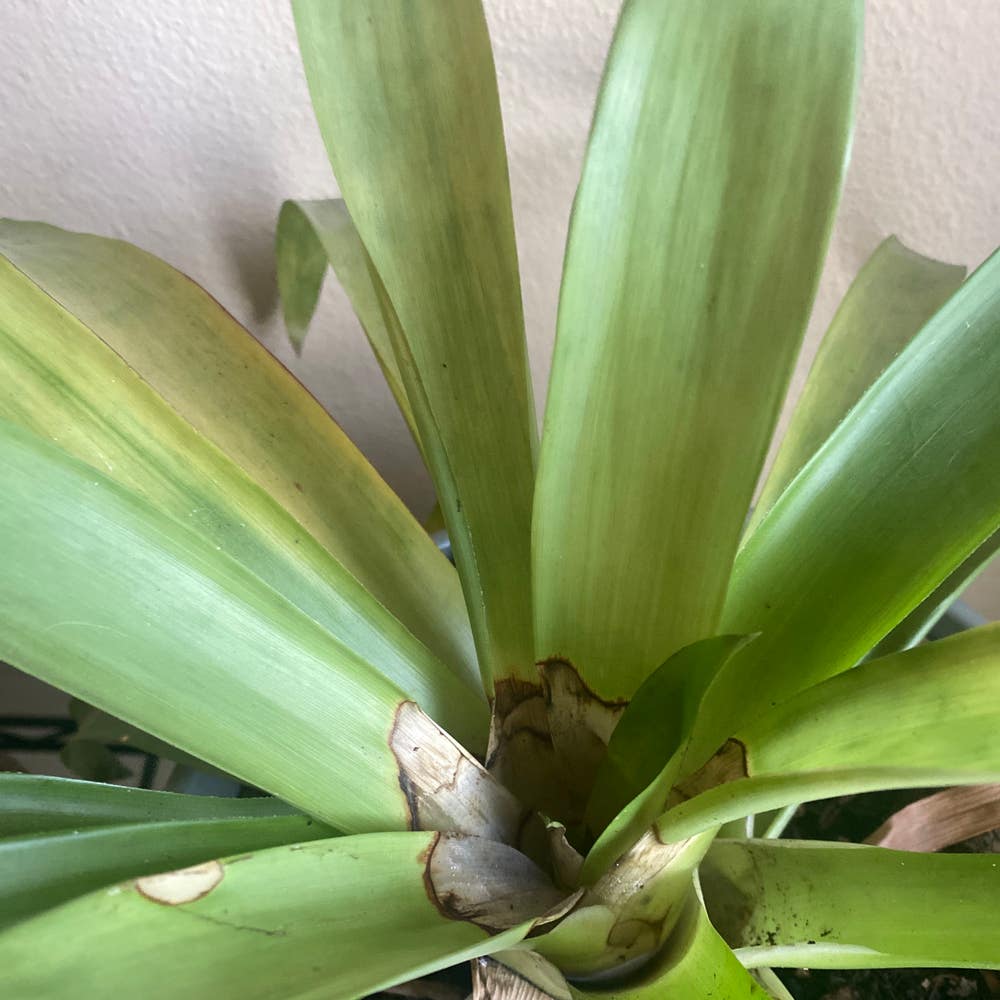
Should I Repot My Neoregelia 'Cotton Candy' And If So, How?
Neoregelia 'Cotton Candy'
By the Greg Editorial Team
Mar 19, 2024•4 min read
This article was created with the help of AI so we can cover more plants for you. May contain errors. See one? Report it here.
- Repot when roots show or plant becomes top-heavy for better growth.
- 🌱 Spring repotting aligns with Neoregelia 'Cotton Candy's natural cycle.
- Choose terracotta or ceramic pots for balance of breathability and moisture.
When to Give Your 'Cotton Candy' a New Home
🌱 Spotting the Telltale Signs
Roots escaping the confines of their pot is a classic cry for help. If your Neoregelia 'Cotton Candy' has roots poking out of the drainage holes or forming a dense web within the pot, it's signaling a need for more space. A top-heavy plant that seems eager to topple over is another visual clue; it's not trying to perform acrobatics, it just needs a new stage to perform on.
🕰 Timing is Everything
Spring is the season of new beginnings and the ideal time to repot your 'Cotton Candy'. This period aligns with the plant's natural growth cycle, providing a window of opportunity for the roots to establish themselves in their new home before the summer growth spurt. Avoid repotting in the winter when the plant is resting. If you notice signs of distress outside of spring, don't delay—repot promptly to prevent root-bound complications.
Selecting the Perfect Pot
🏺 Material Matters
Terracotta is the breathable choice, championing air circulation and moisture control. It's like a terracotta pot is giving your 'Cotton Candy' a breath of fresh air, keeping those roots from drowning in excess water. Plastic pots, the budget-friendly option, are all about moisture retention, which can be a blessing or a curse, depending on how trigger-happy you are with the watering can.
Ceramic pots are the show-offs of the pot world—pretty but pricey. They strike a balance between terracotta and plastic, offering some breathability while holding onto moisture a bit more. Just remember, they're heavy, and without drainage holes, they're basically root death traps.
📏 Size and Drainage
Size does matter when it comes to pots. Too snug, and your 'Cotton Candy' will feel cramped; too spacious, and you risk waterlogging. Aim for a pot that's just right—a Goldilocks zone, if you will, where there's enough room for growth without drowning the roots in soil and water.
Drainage is non-negotiable. Your pot should have holes in the bottom like it's trying to win a colander costume contest. This is crucial for avoiding a soggy disaster. No matter how gorgeous that pot is, if it's more sealed than Swiss cheese, it's a no-go for your 'Cotton Candy'.
The Repotting Rundown
🌱 Prepping Your Plant
Before you start, water your 'Cotton Candy' in its current pot to make the transition smoother. When it's time to uproot, tip the pot sideways and gently coax the plant out. If it's stubborn, tap the pot's edges to loosen the grip. Inspect the roots carefully; snip away any dead or rotting parts with sterilized scissors. If it's rootbound, make some cuts to free the roots.
🌿 The Perfect Potting Mix
Your 'Cotton Candy' is not your average houseplant—it's an epiphyte. It craves a well-draining mix that's akin to its natural habitat. Combine organic matter like coco coir with perlite or vermiculite for that airy feel. This blend ensures optimal drainage and mimics the plant's native conditions without the fuss. Remember, the right soil mix is like a tailored suit; it should fit just right.
Post-Repotting Care for 'Cotton Candy'
🌱 The First Few Weeks
After repotting, your Neoregelia 'Cotton Candy' is like a new tenant in an apartment—it needs time to settle in. Monitor its progress diligently. If you notice leaves turning yellow or a general sense of malaise, it's time to tweak your care routine. This could mean adjusting the watering schedule or finding a better spot with the right light. Remember, it's normal for plants to take a moment to acclimate; patience is key.
🌿 Long-Term Success
For the long haul, think of your 'Cotton Candy' as a silent partner in your home. It won't speak up unless something's wrong, so regular inspections are crucial. Look out for pests, strange growth patterns, or changes in leaf color. Humidity is your friend here; a regular misting can go a long way. And when it comes to feeding, hold off on the fertilizer for the first month—let the fresh soil do its work. After that, a light feeding during the growing season should suffice. Keep the light bright but indirect, and you'll have a vibrant 'Cotton Candy' that's more than just eye candy.
⚠️ Safety First
This content is for general information and may contain errors, omissions, or outdated details. It is not medical, veterinary advice, or an endorsement of therapeutic claims.
Always consult a qualified healthcare professional before using any plant as food, medicine, or supplement.
Never eat any plant (or feed one to pets) without confirming its identity with at least two trusted sources.
If you suspect poisoning, call Poison Control (800) 222-1222, the Pet Poison Helpline (800) 213-6680, or your local emergency service immediately.
Spotted an error? Please report it here.
Repot your Neoregelia 'Cotton Candy' with confidence in the spring, and let Greg's personalized care plan 🌱 and community insights ensure your plant's post-repotting success.