🍭 10 Key Winter Strategies for Neoregelia 'Cotton Candy'
Neoregelia 'Cotton Candy'
By the Greg Editorial Team
Sep 29, 2024•6 min read
This article was created with the help of AI so we can cover more plants for you. May contain errors. See one? Report it here.
- ❄️ Protect Neoregelia 'Cotton Candy' from frost using cloth or burlap covers.
- 🌡️ Maintain indoor temperatures above 15°C to ensure plant health during winter.
- 💧 Reduce watering frequency in winter to prevent root rot and over-saturation.
Winter Care Strategies
❄️ Frost Protection Methods
Frost protection is crucial for Neoregelia 'Cotton Candy' as it is sensitive to cold temperatures. Without proper care, frost can damage leaves and stunt growth.
Recommended Frost Protection Techniques
- Covering with Frost Cloth or Burlap: This simple method provides a barrier against freezing temperatures.
- Using Heat Mats for Added Warmth: Heat mats can help maintain a stable temperature around the roots.
- Relocating Pots to Sheltered Areas: Moving your plants to a more protected spot can shield them from harsh winter winds.
Additionally, keep an eye on local weather forecasts for frost warnings. Being proactive can save your plants from unnecessary stress.
💧 Adjusting Watering Schedules
During winter dormancy, Neoregelia requires less water. It's essential to adjust your watering routine to prevent root rot.
Recommended Watering Frequency
- Reduce Frequency: Cut back on how often you water. This helps avoid over-saturation.
- Check Soil Moisture Levels: Always check the soil before watering to ensure it’s not too wet.
Look out for signs of overwatering, such as yellowing leaves, or underwatering, indicated by wilting. Both can be detrimental during the colder months.
🌱 Fertilizing Practices for Winter Months
Fertilization should be minimized during the winter dormancy period. This allows your plants to conserve energy and focus on survival.
Recommended Types of Fertilizers
- Low-Nitrogen Options: Choose fertilizers that are low in nitrogen for winter feeding.
- Timing of Fertilization: Fertilize once a month or even less frequently.
Watch for signs that indicate the need for adjustments in your fertilization routine. If your plant's growth seems stunted or color fades, it might be time to reassess your feeding strategy.
By implementing these winter care strategies, you can ensure that your Neoregelia 'Cotton Candy' thrives even in the coldest months. Next, we’ll explore how to create optimal indoor conditions for your plants.
Indoor Winter Care
Optimal Indoor Conditions 🌡️
Maintaining the right temperature is crucial for Neoregelia 'Cotton Candy' during winter. Aim to keep indoor temperatures above 15°C (59°F) to ensure your plant thrives.
Avoid placing your plant near drafts or cold windows. These conditions can stress the plant and hinder its growth.
Humidity Levels 💧
Humidity plays a vital role in the health of your Neoregelia. Aim for humidity levels between 50% and 70% for optimal growth.
Consider using a humidifier or placing water trays near your plant to maintain these levels. Grouping plants together can also help create a more humid microenvironment.
Light Requirements for Indoor Care 💡
Light is another essential factor for indoor care. Neoregelia prefers bright, indirect light to flourish.
You can use natural light or supplement with grow lights if necessary. Be on the lookout for signs of inadequate light, such as leggy growth or fading colors.
Choosing the Right Light Source 🌞
Natural light is ideal, but it may not always be sufficient during winter months. If your plant isn't getting enough light, consider investing in grow lights.
These can provide the necessary brightness without the harshness of direct sunlight.
Signs of Inadequate Light 🚨
If your Neoregelia shows signs of stress, it may be due to insufficient light. Look for leggy growth or fading colors as indicators that your plant needs more light.
Adjusting the light conditions can make a significant difference in its health and vibrancy.
As you ensure optimal indoor conditions and light for your Neoregelia, keep an eye on the signs of recovery as spring approaches. This will set the stage for a smooth transition into the growing season.
Spring Preparation
Signs of Recovery from Winter Damage 🌱
As winter fades, it's crucial to identify signs of recovery in your Neoregelia 'Cotton Candy'. Look for new leaf emergence, which indicates that your plant is bouncing back.
Another positive sign is the return of color vibrancy. Healthy plants will display rich, lively hues, signaling that they are ready for the growing season.
Common Signs of Winter Damage ❄️
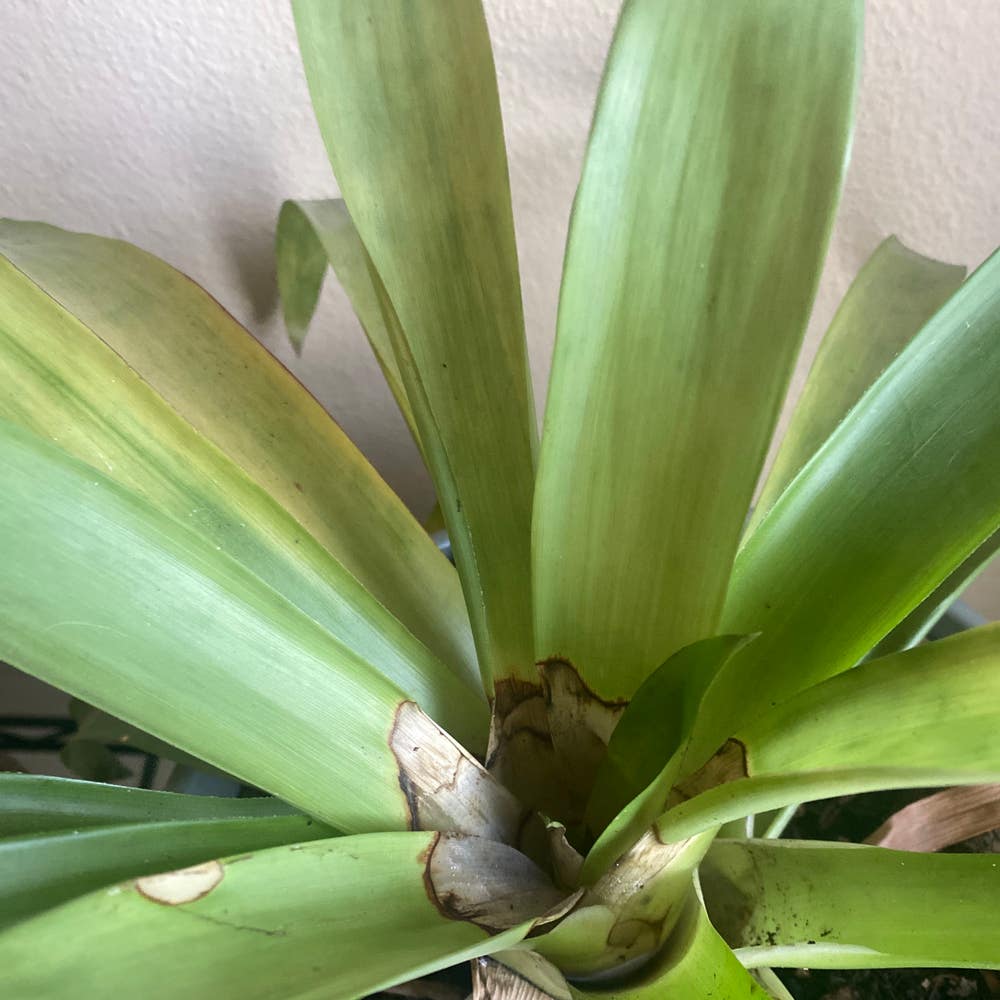
While recovery is exciting, be vigilant for signs of winter damage. Browning leaf tips often indicate stress from cold temperatures or inadequate care.
Soft or mushy leaves can be a red flag for root rot, a common issue when plants are overwatered during dormancy. Addressing these problems early can save your plant from further decline.
Preparing for Spring Growth 🌼
Transitioning from winter care to spring care requires a few strategic steps. Start by gradually increasing your watering frequency to match the plant's growing needs.
Resuming a regular fertilization schedule is also essential. This will provide the nutrients your Neoregelia needs to thrive as it enters its active growth phase.
Importance of Repotting 🪴
If your plant has become root-bound, repotting is crucial. This not only gives the roots more space to grow but also refreshes the soil, ensuring your plant has access to fresh nutrients.
By paying attention to these signs and making necessary adjustments, you’ll set your Neoregelia 'Cotton Candy' up for a vibrant and healthy spring. Next, let’s explore common winter problems and their solutions to keep your plant thriving.
Common Winter Problems and Solutions
🥶 Identifying and Addressing Winter Damage
Winter can be tough on Neoregelia 'Cotton Candy'. Common symptoms of winter damage include frostbite on leaves and root rot from overwatering.
Frostbite appears as dark, mushy spots on the leaves, while root rot manifests as a foul smell and soft, discolored roots. If you notice these signs, it’s crucial to act quickly.
To recover, start by pruning away any damaged leaves. This helps the plant focus its energy on healthy growth.
Next, adjust your watering practices. Ensure the soil dries out between waterings to prevent further root rot.
💧 Tips for Maintaining Humidity Levels
Humidity is vital for the health of Neoregelia. These plants thrive in moist environments, especially during winter.
To increase indoor humidity, consider using a humidifier. This is an effective way to maintain the moisture levels your plant craves.
Grouping plants together can also help create a microclimate with higher humidity.
Another simple method is placing water trays near your plants. As the water evaporates, it adds moisture to the air.
Lastly, monitor humidity levels with hygrometers. This ensures you keep the environment just right for your Neoregelia.
With these strategies, you can tackle common winter problems and keep your 'Cotton Candy' thriving. Next, let’s explore how to prepare for spring growth!
⚠️ Safety First
This content is for general information and may contain errors, omissions, or outdated details. It is not medical, veterinary advice, or an endorsement of therapeutic claims.
Always consult a qualified healthcare professional before using any plant as food, medicine, or supplement.
Never eat any plant (or feed one to pets) without confirming its identity with at least two trusted sources.
If you suspect poisoning, call Poison Control (800) 222-1222, the Pet Poison Helpline (800) 213-6680, or your local emergency service immediately.
Spotted an error? Please report it here.
Keep your Neoregelia 'Cotton Candy' thriving this winter ❄️ with Greg's tailored care reminders and humidity tips, ensuring a vibrant spring ahead!