Your Neoregelia 'Cotton Candy''s Light Requirements
Neoregelia 'Cotton Candy'
By the Greg Editorial Team
Mar 19, 2024•4 min read
This article was created with the help of AI so we can cover more plants for you. May contain errors. See one? Report it here.
- 🌅 Morning sun ideal, but use shade or curtains for intense midday rays.
- 🌿 Adjust light seasonally and use east-facing windows indoors.
- 💡 LED grow lights recommended for 12-14 hours daily to mimic sunlight.
Basking in the Right Rays: Outdoor Light Perfection
🌞 Finding the Sweet Spot for Sunlight
Morning sun is your Neoregelia 'Cotton Candy's best friend, offering gentle rays that encourage vibrant foliage without the burn. As the seasons change, so should your plant's position; summer demands more shade, while winter craves every drop of sunlight.
🛡️ Shielding from the Scorch
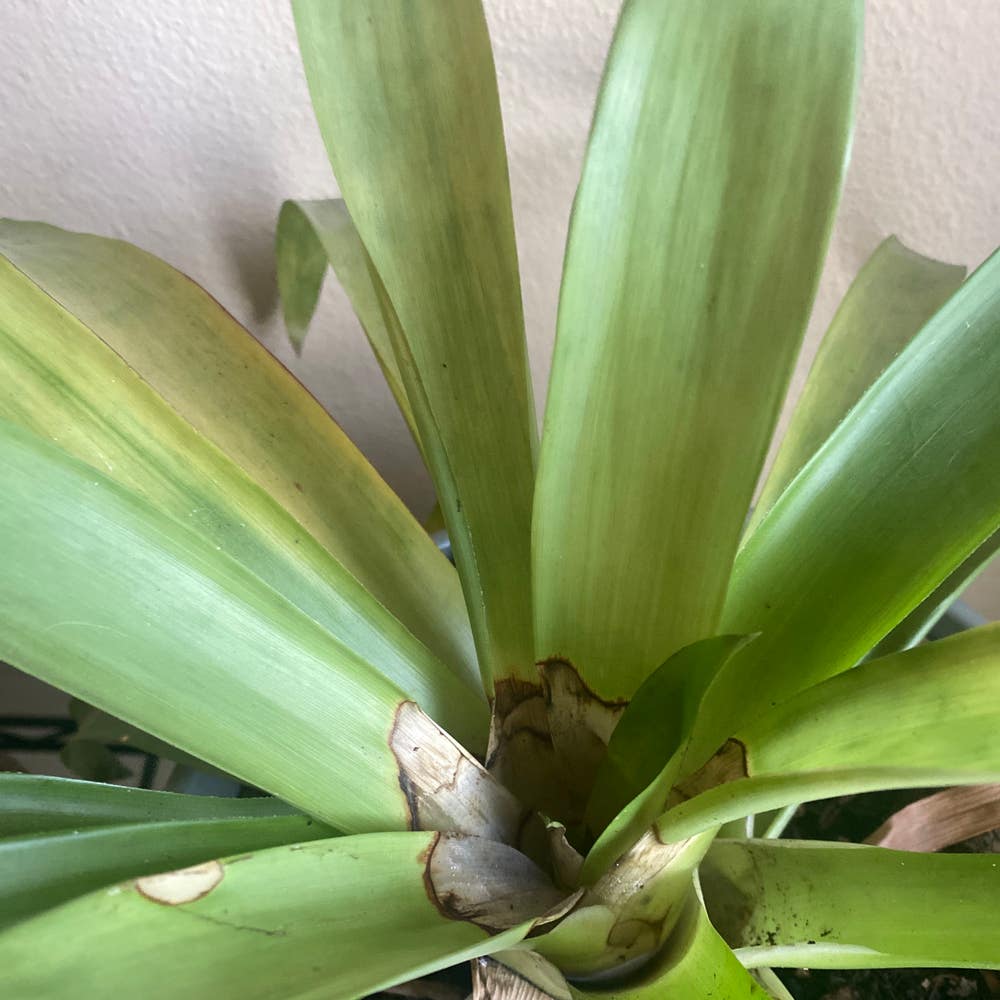
When the sun hits its peak, it's time for your bromeliad to chill in the shade. Use structures like pergolas or even sheer curtains to diffuse the intense midday light. Remember, a sun-kissed plant is happy; a sunburned one, not so much. Keep an eye out for leaf discoloration and adjust your plant's location to prevent a crispy fate.
Setting the Indoor Stage: Light for Lush Leaves
🌿 Windowsill Wonders: Natural Indoor Light
East-facing windows are the MVPs for Neoregelia 'Cotton Candy', offering that bright, indirect light it thrives in. But if your windows face south or west, don't sweat it—sheer curtains are your new best friend, diffusing those intense rays to a gentle glow.
Your plant's leaves are like mood rings; leggy stems or pale colors scream for more light, while crispy tips beg you to dial it back. It's all about reading the room—or in this case, the leaves.
💡 When Nature Needs a Nudge: Using Artificial Light
Sometimes the sun just doesn't cut it. Enter grow lights: your plant's personal sun substitute. They're not just for dreary winters; they're year-round heroes for those less-than-sunny spots in your home.
LEDs are the tech-savvy choice, dialing in on the red and blue wavelengths that get your Neoregelia 'Cotton Candy' jazzed about growing. Fluorescents? They're the jack-of-all-trades, offering a broad spectrum when you're not into playing favorites with light colors.
The Glow for Growth: Understanding Grow Lights
💡 Choosing Your Champion: Types of Grow Lights
When it comes to grow lights, it's not just about flipping a switch and bathing your Neoregelia 'Cotton Candy' in lumens. LED lights are the gold standard, offering full spectrum light that's akin to the sun's embrace. They're energy-efficient, long-lasting, and won't send your electricity bill through the roof. But if your wallet's feeling light, fluorescent T5 or T8 tubes can pinch-hit. They're cheaper and still effective, though they don't quite mimic the sun's spectrum as LEDs do.
Reputable brands matter. Don't be seduced by bargain-bin prices; a quality brand like Spider Farmer will give you more bang for your buck with lights that last and perform as promised.
💡 Timing is Everything: Light Schedules
Your Neoregelia 'Cotton Candy' craves consistency. Light schedules are non-negotiable for mimicking the natural rhythm of day and night. Aim for 12 to 14 hours of light per day; it's the sweet spot for these bromeliads.
Automation is your friend. Invest in timers or smart systems to regulate light cycles without a fuss. It's like setting an alarm clock for your plant – they'll wake up and wind down without you needing to play puppeteer with the power switch.
Light's Influence on Flowering: A Brief Blossom Banter
🌸 Does Neoregelia 'Cotton Candy' Flower?
Neoregelia 'Cotton Candy' is known more for its vibrant foliage than its flowers. However, it does produce blooms, typically nestled deep within the rosette of leaves. These flowers are short-lived and not as showy as the plant's colorful leaves.
💡 Light's Role in Flowering
Adjusting light can be a game-changer for flowering. Bright, indirect light is the sweet spot for coaxing out those elusive Neoregelia 'Cotton Candy' blooms. While the plant can tolerate morning and evening sun, the midday blaze is a definite no-go. To encourage blooming, mimic the longer daylight hours of spring or summer, as these conditions can trigger the flowering process. Remember, though, that excessive direct sunlight can stress the plant, potentially sabotaging your blooming aspirations.
⚠️ Safety First
This content is for general information and may contain errors, omissions, or outdated details. It is not medical, veterinary advice, or an endorsement of therapeutic claims.
Always consult a qualified healthcare professional before using any plant as food, medicine, or supplement.
Never eat any plant (or feed one to pets) without confirming its identity with at least two trusted sources.
If you suspect poisoning, call Poison Control (800) 222-1222, the Pet Poison Helpline (800) 213-6680, or your local emergency service immediately.
Spotted an error? Please report it here.
Nurture your Neoregelia 'Cotton Candy' with seasonal light perfection ☀️ using Greg's tailored reminders for year-round brilliance.