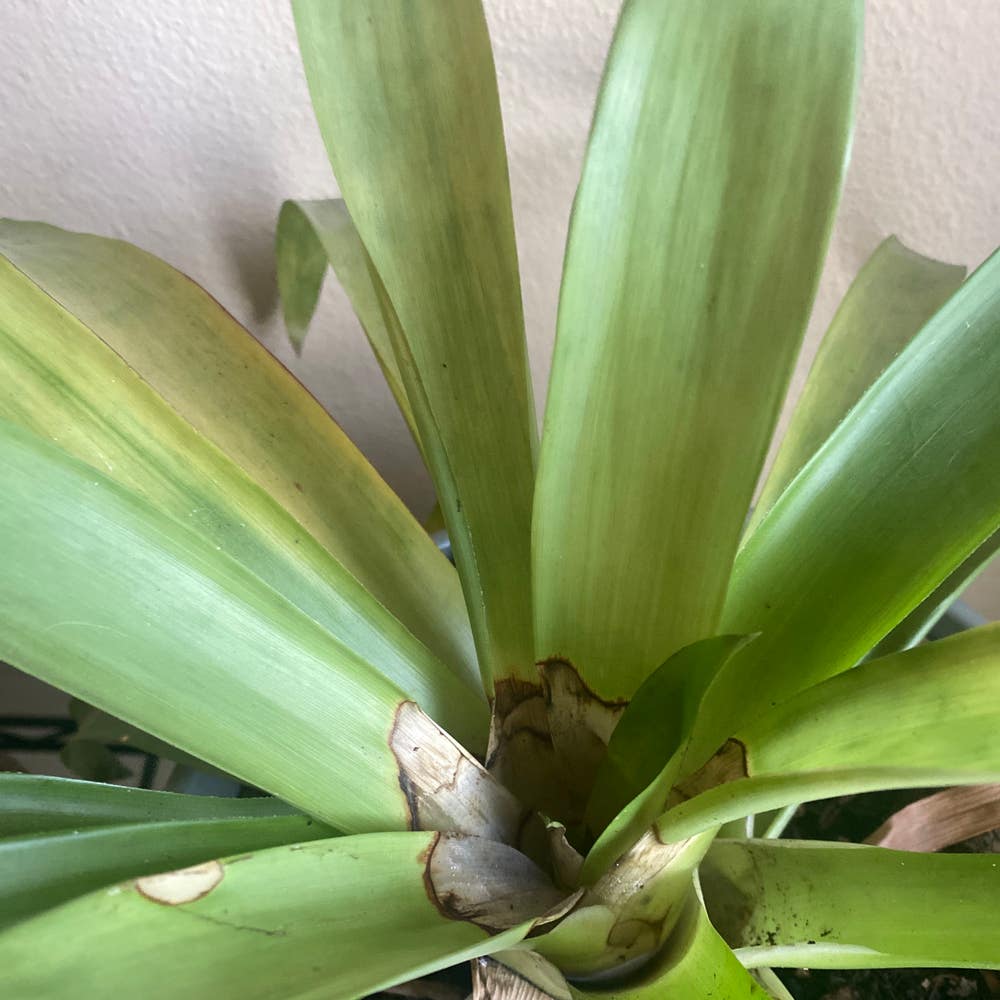
How to Grow Neoregelia 'Cotton Candy' Outdoors 🍭
Neoregelia 'Cotton Candy'
By the Greg Editorial Team
Sep 29, 2024•7 min read
This article was created with the help of AI so we can cover more plants for you. May contain errors. See one? Report it here.
- 🌞 Neoregelia 'Cotton Candy' needs 4-6 hours of indirect sunlight for optimal growth.
- 💧 Water weekly in summer, bi-weekly in winter to keep plants healthy.
- 🌱 Use well-draining soil with pH 5.5-7.0 for best results in growth.
Outdoor Care Requirements
🌞 Sunlight Needs and Ideal Exposure
Neoregelia 'Cotton Candy' thrives best in partial shade or filtered sunlight. Aim for 4-6 hours of indirect sunlight daily to keep your plants vibrant and healthy.
If your plant shows signs of inadequate light, such as faded colors or leggy growth, it’s time to adjust its location. Providing the right light conditions is crucial for maintaining its stunning appearance.
💧 Watering Requirements and Techniques
During the growing season, water your Neoregelia weekly, and switch to bi-weekly in cooler months. Focus on watering both the central cup and the soil to ensure your plant gets the moisture it needs.
Proper drainage is essential to avoid waterlogged conditions, which can lead to root rot. Always check that your pots have adequate drainage holes.
🌱 Soil Preferences and Amendments
For optimal growth, use a well-draining sandy or loamy soil mix. The ideal soil pH for Neoregelia is slightly acidic to neutral, ranging from 5.5 to 7.0.
To enhance drainage, consider adding amendments like perlite or orchid bark. These materials help create an environment that promotes healthy root development.
🌼 Fertilization Schedule and Types of Fertilizers
Fertilize your Neoregelia every 4-6 weeks during the growing season. A balanced, water-soluble fertilizer, such as a 20-20-20 mix, works well to provide essential nutrients.
Always dilute your fertilizer solutions to prevent root burn. This simple step can make a significant difference in your plant's health and growth.
With these outdoor care requirements in mind, you’re well on your way to nurturing a thriving Neoregelia 'Cotton Candy'. Next, let’s explore the various planting options available for this beautiful bromeliad.
Planting Options
Benefits and Drawbacks of Container Planting 🌱
Container planting offers remarkable mobility. You can easily relocate your Neoregelia 'Cotton Candy' to optimize light exposure or protect it from harsh weather.
This method also allows for control over soil quality and drainage. You can choose the perfect mix for your plant's needs, enhancing its growth.
However, limited root space can lead to stunted growth. The confined environment may restrict the plant's development over time.
Additionally, container plants require increased watering frequency. They tend to dry out faster, especially in warmer months.
Finally, there’s a risk of overheating in direct sunlight. Containers can absorb heat, potentially harming your plant if not monitored closely.
Benefits and Drawbacks of Planting in the Ground 🌍
Planting Neoregelia directly in the ground provides a natural growth environment. This allows for more space for root expansion, promoting healthier plants.
Ground planting also offers better moisture retention. The soil can hold water more effectively, reducing the frequency of watering.
Moreover, plants in the ground enjoy enhanced stability against wind and weather. They are less likely to topple over during storms.
On the downside, you have less control over soil quality and drainage. The existing soil may not meet your plant's specific needs.
Additionally, ground-planted Neoregelia can be vulnerable to pests and diseases. They are exposed to a wider range of threats compared to container plants.
Finally, relocating plants in the ground can be challenging. Once established, they are not easily moved without significant effort.
How to Choose the Best Option for Your Environment 🏡
Choosing between container and ground planting starts with assessing local climate and soil conditions. Understanding your environment is crucial for your plant's success.
Next, consider your personal gardening goals and aesthetics. Do you prefer a flexible design or a more permanent landscape?
Finally, evaluate space availability and maintenance preferences. If you have limited space or time, container planting might be the way to go.
With these factors in mind, you can make an informed decision that best suits your gardening style and the needs of your Neoregelia 'Cotton Candy'.
Transitioning to the next topic, let's explore how to protect your plants from weather extremes and pests.
Protection from Weather and Pests
🌤️ Strategies for Weather Protection
When it comes to protecting your Neoregelia 'Cotton Candy' from extreme weather, preparation is key.
Extreme Heat: Use shade cloth or mulch to shield your plants from harsh sunlight. This helps maintain moisture and prevents leaf scorch.
Cold Protection: For chilly nights, cover your plants with frost cloth or bring container plants indoors. This simple step can save your bromeliads from frost damage.
Rain Protection: Ensure proper drainage to prevent rot during heavy rain. Elevated pots or well-draining soil can make a significant difference.
🐛 Common Outdoor Pests and How to Manage Them
Outdoor pests can be a nuisance, but knowing how to identify and manage them can keep your plants thriving.
Aphids: Look for small, green insects on the undersides of leaves. They can cause curling and yellowing. Control them with insecticidal soap for effective results.
Mealybugs: These pests appear as white, cottony masses on your plants. Treat them with alcohol-soaked cotton swabs or insecticidal soap to eliminate them.
Snails and Slugs: To prevent these slimy intruders, consider using copper tape around your pots. It creates a barrier that they won’t cross.
🦠 Diseases that Affect Neoregelia and Prevention Methods
Keeping your Neoregelia healthy involves being vigilant about potential diseases.
Root Rot: Symptoms include yellowing leaves and mushy roots. Prevent this by ensuring your plants are not overwatered and that they have excellent drainage.
Leaf Spot: Look for dark spots on leaves, which can indicate fungal infections. Improve air circulation and remove affected leaves to manage this issue.
General Disease Prevention: Maintain cleanliness around your plants and ensure good air circulation. This simple practice can significantly reduce disease risks.
By taking these protective measures, you can ensure your Neoregelia 'Cotton Candy' thrives in your outdoor space. Next, let’s explore how seasonal changes impact your care routine.
Seasonal Care
Seasonal Changes and Their Impact on Care 🌱
Spring marks the growth phase for Neoregelia 'Cotton Candy.' During this time, increase watering and fertilization to support robust growth.
As summer arrives, keep a close eye on pests and heat stress. Regular monitoring ensures your plants thrive in the warmer months.
In fall, prepare for cooler temperatures by reducing watering. This transition helps your plants acclimate to the changing environment.
Winter brings dormancy, requiring minimal care. Focus on maintaining a stable environment to keep your plants healthy.
Adjusting Care Routines Based on Climate Zones 🌍
In tropical zones, expect continuous growth and care throughout the year. Your Neoregelia will thrive with consistent attention.
Subtropical zones require seasonal adjustments due to temperature fluctuations. Be ready to adapt your care routine as conditions change.
Temperate zones present unique challenges, especially regarding frost protection. Ensure your plants are safeguarded during colder months to prevent damage.
Preparing for Seasonal Transitions 🍂
Spring preparations involve pruning and fertilization to kickstart growth. This proactive approach sets the stage for a vibrant season.
During summer, increase pest monitoring to catch any issues early. Staying vigilant helps maintain the health of your plants.
As fall approaches, mulching becomes essential for protection against cold. This simple step can make a significant difference in plant resilience.
In winter, consider relocating your plants indoors or using protective coverings. These measures help ensure your Neoregelia survives the colder months.
With these seasonal care strategies, your Neoregelia 'Cotton Candy' will flourish year-round. Next, let’s explore common challenges and solutions to keep your plants thriving.
Common Challenges and Solutions
Addressing Common Misconceptions about Neoregelia Care 🌱
Many gardeners misunderstand the watering needs of Neoregelia. It's crucial to prioritize drainage; waterlogged conditions can lead to root rot.
Another common belief is that bromeliads are high-maintenance plants. In reality, they are quite low-maintenance, making them perfect for both novice and experienced gardeners.
Troubleshooting Issues with Growth and Health 🩺
Yellowing leaves can be a sign of nutrient deficiencies. To remedy this, consider adjusting your fertilization routine or checking soil quality.
If you notice stunted growth, it may be due to environmental factors like inadequate light or poor drainage. Ensure your plant receives the right conditions for optimal growth.
Flowering issues can also arise if the plant isn't getting enough light. Make sure to provide the necessary indirect sunlight for healthy blooms.
Tools and Products for Effective Outdoor Care 🛠️
To keep your Neoregelia thriving, invest in essential gardening tools like pruners, watering cans, and soil testers. These tools will help you maintain your plants effectively.
Consider using organic pest control options and balanced fertilizers to support healthy growth. Regular monitoring with these tools ensures your plants stay in top shape.
With the right knowledge and tools, you can overcome challenges and enjoy the beauty of Neoregelia in your outdoor space. Next, let’s explore seasonal care to keep your plants thriving year-round.
⚠️ Safety First
This content is for general information and may contain errors, omissions, or outdated details. It is not medical, veterinary advice, or an endorsement of therapeutic claims.
Always consult a qualified healthcare professional before using any plant as food, medicine, or supplement.
Never eat any plant (or feed one to pets) without confirming its identity with at least two trusted sources.
If you suspect poisoning, call Poison Control (800) 222-1222, the Pet Poison Helpline (800) 213-6680, or your local emergency service immediately.
Spotted an error? Please report it here.
Grow your Neoregelia 'Cotton Candy' flourishing outdoors 🌱 by using Greg to track watering, monitor pests, and receive personalized care reminders for optimal health!