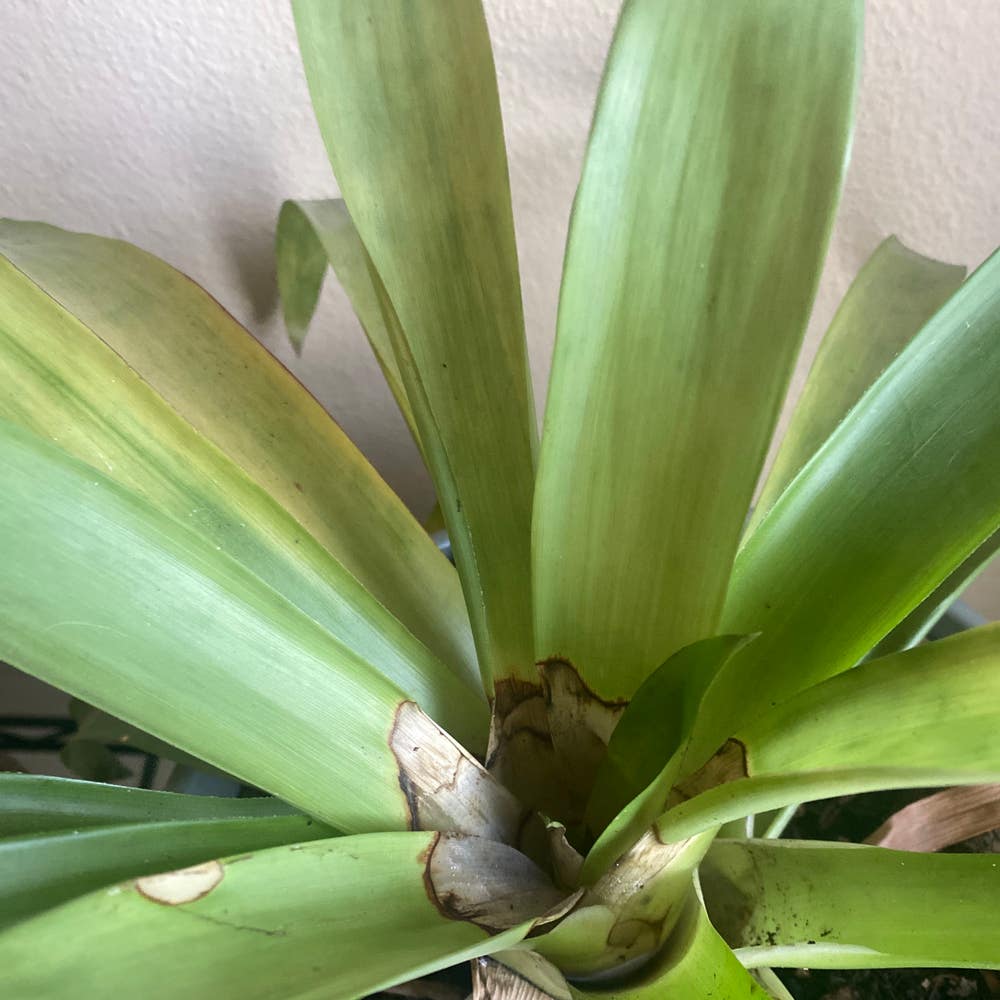
🍭 Top 8 Signs Your Neoregelia 'Cotton Candy' Needs Pollination
Neoregelia 'Cotton Candy'
By the Greg Editorial Team
Sep 29, 2024•6 min read
This article was created with the help of AI so we can cover more plants for you. May contain errors. See one? Report it here.
- 🌸 Neoregelia 'Cotton Candy' attracts bees and butterflies with its vibrant flowers.
- 🤝 Self and cross-pollination enhance genetic diversity, ensuring plant resilience.
- 🌿 Hand pollination boosts seed production, especially when natural pollinators are scarce.
Flower Structure
🌸 Description of Characteristics
Neoregelia 'Cotton Candy' showcases stunning funnel-shaped flowers that emerge from the center of its rosette. Their bright pink and green hues are not just visually appealing; they play a crucial role in attracting pollinators.
The flowers are arranged in a dense cluster, making them highly visible to insects and birds. This strategic arrangement enhances the chances of successful pollination, ensuring that these vibrant blooms catch the attention of potential pollinators.
🐝 Role in Pollination
The unique flower structure of Neoregelia 'Cotton Candy' facilitates self-pollination. The positioning of stamens and pistils allows the plant to produce seeds even in the absence of external pollinators.
However, the design also encourages cross-pollination. By attracting specific pollinator species, the flowers enhance genetic diversity, which is vital for the plant's adaptability and resilience. This dual capability makes the 'Cotton Candy' a fascinating specimen in the world of bromeliads.
Understanding these characteristics can help you appreciate the intricate relationship between plant structure and pollination success. As we delve deeper into the pollination process, you'll see how these features come into play.
Pollination Process
Self-Pollination Mechanism 🌸
Neoregelia 'Cotton Candy' has a fascinating ability to self-pollinate under the right conditions. The flower's structure, with its strategically positioned stamens and pistils, allows for this process to occur efficiently.
Self-pollination can be beneficial for the plant's health and seed production. It ensures that even in the absence of pollinators, the plant can still reproduce, maintaining its lineage and vitality.
Identification of Pollinator Species 🐝
Key pollinators for Neoregelia 'Cotton Candy' include bees, butterflies, and hummingbirds. These species are naturally drawn to the flower's bright pink and green hues, which signal a rich source of nectar.
When these pollinators visit, they interact with the flower's structure, transferring pollen as they move from bloom to bloom. This not only aids in pollination but also enhances genetic diversity, making the plant more resilient.
Natural Pollination
🌬️ Pollen Transfer Mechanisms
Natural pollination is a fascinating process. Pollen is transferred between flowers primarily through wind and animal activity.
Wind can carry lightweight pollen grains over distances, allowing plants to reach potential mates. However, animal pollinators, like bees and butterflies, play a crucial role by actively seeking out flowers for nectar, inadvertently transferring pollen as they move from bloom to bloom.
🌱 Importance for Reproduction and Genetic Diversity
Effective pollination is vital for successful seed production. When pollen successfully fertilizes the ovules, it leads to the formation of seeds, ensuring the continuation of the species.
Cross-pollination enhances genetic diversity, which is essential for the resilience of Neoregelia 'Cotton Candy.' A diverse gene pool can improve the plant's adaptability to changing environments and resist diseases, making it stronger and more vibrant.
Understanding these natural processes not only enriches your gardening experience but also emphasizes the importance of supporting pollinators in your environment. Next, we’ll explore hand pollination techniques to ensure your plants thrive even when natural pollination is limited.
Hand Pollination Techniques
Hand pollination can be a rewarding way to ensure your Neoregelia 'Cotton Candy' thrives. Here’s a straightforward guide to help you through the process.
Step 1: Identifying Male and Female Flower Parts 🌸
First, you need to distinguish between the male and female components of the flower.
- Male: Look for the stamens, which are the parts that produce pollen.
- Female: Identify the pistil, which is the structure that receives the pollen.
Step 2: Collecting Pollen 🌼
Once you've identified the male flower parts, it's time to gather some pollen.
- Use a small brush or a cotton swab to gently collect pollen from the stamens.
Step 3: Transferring Pollen 🔄
Now that you have the pollen, it's time to transfer it to the female flower.
- Gently apply the collected pollen to the stigma of the female flower. This step is crucial for successful pollination.
Step 4: Timing ⏰
Timing is everything in hand pollination.
- It's best to perform this process in the morning when the flowers are fully open and most receptive.
Hand pollination not only boosts your plant's chances of producing seeds but also deepens your connection with your garden. By following these steps, you can actively participate in the life cycle of your Neoregelia 'Cotton Candy' and contribute to its health and vitality.
Next, let’s explore how to create a pollinator-friendly environment to support these beautiful plants.
Supporting Pollinators
🌼 Creating a Pollinator-Friendly Environment
To support pollinators, it's essential to provide both shelter and food sources. Pollinators like bees and butterflies thrive in environments rich in diverse plants that offer nectar and pollen.
Adding shallow water dishes can also make a significant difference. These small water sources help keep pollinators hydrated, especially during hot days.
🌱 Companion Plants
Companion planting can enhance your garden's appeal to pollinators. Consider incorporating plants like lavender, bee balm, and salvia, which are known to attract various pollinator species.
When arranging these companion plants, think about their blooming times and colors. Grouping them together not only creates a visually appealing landscape but also encourages more frequent visits from pollinators.
By fostering a welcoming environment, you can significantly boost the health of your Neoregelia 'Cotton Candy' and its pollination success. Next, let’s explore the challenges that can arise during the pollination process.
Pollination Challenges
🌪️ Common Obstacles
Pollination can be a tricky business for Neoregelia 'Cotton Candy.' Environmental factors like temperature and humidity play a significant role in pollination success.
High temperatures can cause flowers to wilt, while excessive humidity may lead to fungal issues, both of which hinder pollination. Additionally, the decline in pollinator populations poses a serious challenge. Bees, butterflies, and hummingbirds are essential for effective cross-pollination, and their numbers are dwindling.
🛠️ Solutions
Creating optimal conditions for pollination is crucial. Start by monitoring your garden's microclimate.
Consider using shade cloths during extreme heat or providing windbreaks to protect delicate flowers. Enhancing your garden environment can also attract more pollinators.
Planting a variety of nectar-rich flowers will create a buffet for pollinators, encouraging them to visit your Neoregelia.
Adding shallow water dishes can provide hydration, making your garden a welcoming oasis for these vital species.
By addressing these challenges, you can significantly improve the chances of successful pollination for your Neoregelia 'Cotton Candy.'
Next, let’s explore hand pollination techniques to ensure your plants thrive, even in less-than-ideal conditions.
⚠️ Safety First
This content is for general information and may contain errors, omissions, or outdated details. It is not medical, veterinary advice, or an endorsement of therapeutic claims.
Always consult a qualified healthcare professional before using any plant as food, medicine, or supplement.
Never eat any plant (or feed one to pets) without confirming its identity with at least two trusted sources.
If you suspect poisoning, call Poison Control (800) 222-1222, the Pet Poison Helpline (800) 213-6680, or your local emergency service immediately.
Spotted an error? Please report it here.
Boost your Neoregelia 'Cotton Candy' blooms with pollinator-friendly tips 🌸 from Greg, ensuring your garden thrives while attracting the right bees and butterflies!