Why Are My Neoregelia 'Cotton Candy' Leaves Dropping?
Neoregelia 'Cotton Candy'
By the Greg Editorial Team
Mar 19, 2024•4 min read
This article was created with the help of AI so we can cover more plants for you. May contain errors. See one? Report it here.
- 🍂 Yellow/brown leaves and stickiness signal Neoregelia 'Cotton Candy' distress.
- 💧 Water correctly: when soil's dry, avoid overwatering and soggy conditions.
- 🌡️🌿 Keep 65-75°F and 60% humidity for a happy, healthy plant.
Spotting the Signs: When Your Neoregelia 'Cotton Candy' Is Unhappy
🍂 Recognizing Leaf Drop Symptoms
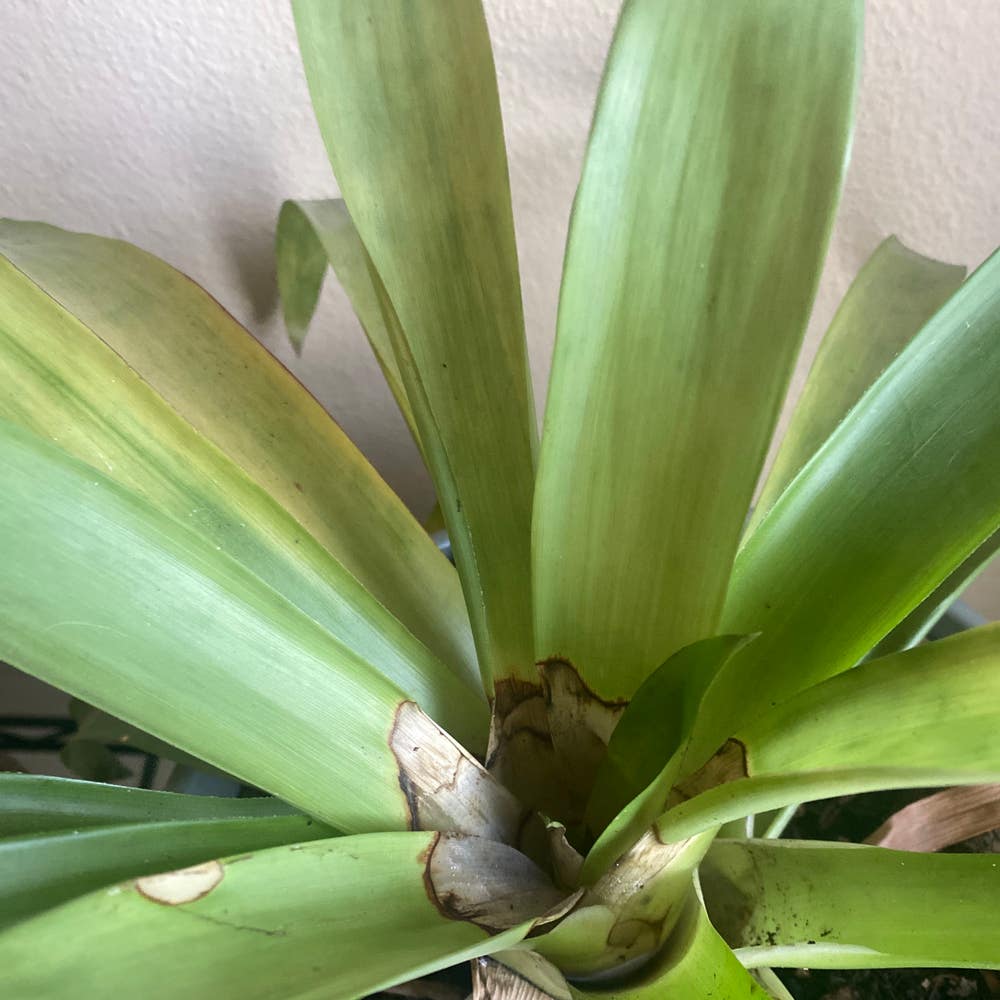
Leaf drop in Neoregelia 'Cotton Candy' can be a real head-scratcher. Watch for leaves that turn yellow or brown, a surefire sign your plant's in distress. Crispy edges? That's a cry for help. And if you spot a sticky residue, sound the alarm—it's likely pests treating your plant like a buffet.
🌿 Assessing Plant Health
To gauge the severity of leaf dropping, perform a quick health check. Start by inspecting the leaves for any discoloration or damage. Then, check the soil moisture—too wet or too dry can both spell trouble. Don't forget to look under the leaves and along the stems for any signs of pest infestation. A healthy Neoregelia 'Cotton Candy' should have vibrant, firm leaves and a stable root system. If any of these elements are off, it's time to take action.
Water Woes: Finding the Sweet Spot
💧 Overwatering Overload
Overwatering can turn your Neoregelia 'Cotton Candy' into a botanical disaster zone. The signs are unmistakable: yellow leaves falling off, stems that feel like overcooked pasta, and soil that's more swamp than substrate. It's a classic case of too much H2O love. To avoid this, water only when the soil has dried out a bit—think moist brownie texture, not a soaked sponge.
💦 The Thirsty Plant Conundrum
Conversely, a parched Neoregelia 'Cotton Candy' will broadcast its thirst through crispy leaf tips and an overall wilted demeanor. The pot will feel lighter than your last cheat meal. When it's time to water, do it thoroughly, letting the excess drain away to avoid soggy soil scenarios. Remember, your plant craves a drink, not a dive. Keep an eye on the weight and the soil's top layer to gauge when to water next—it's less about a schedule and more about a responsive routine.
Climate Control: Keeping Your Neoregelia 'Cotton Candy' Cozy
🌡️ Temperature Tantrums
Neoregelia 'Cotton Candy' has zero chill when it comes to temperature fluctuations. It craves stability like a cat demands attention—consistently and with a touch of entitlement. Keep it between 65 to 75°F (18-24°C) to avoid leaf drop. Remember, your cozy is their cozy, so if you're comfy in a t-shirt, your bromeliad is likely basking in comfort too.
💦 Humidity Harmony
This plant doesn't just enjoy humidity; it revels in it. Aim for a humidity level around 60%—not quite tropical rainforest, but not desert-dry either. Use a humidifier or a pebble tray to up the ante on moisture. Misting? Sure, but don't go overboard. Think of it as a refreshing spritz, not a shower. Dust on leaves is a no-go, so keep them clean to allow your plant to breathe easy and look its Instagram-worthy best.
Bug Battles: Keeping Pests at Bay
🐛 Identifying Invaders
Pests can be sneaky. They hide under leaves, within new growth, or along stems. Aphids, spider mites, and mealybugs are the usual suspects when it comes to Neoregelia 'Cotton Candy'. They're like unwanted guests at a party, sucking the life out of your plant. Look for sticky residue, fine webs, or the pests themselves. A magnifying glass might be necessary for these miniature invaders.
🛡️ Winning the War on Pests
Vigilance is your first line of defense. Inspect your plant regularly, especially the undersides of leaves. If you spot pests, isolate the affected plant to prevent a full-blown infestation. For a mild problem, insecticidal soap or neem oil can be effective. Apply with a determined hand, ensuring to cover all affected areas.
For more severe cases, you may need to resort to chemical treatments. Always follow the instructions carefully to avoid harming your plant. Remember, the best offense is a good defense. Keep your plant's environment clean, and consider introducing natural predators like ladybugs. They're like the bouncers at the club, keeping the riff-raff in check.
⚠️ Safety First
This content is for general information and may contain errors, omissions, or outdated details. It is not medical, veterinary advice, or an endorsement of therapeutic claims.
Always consult a qualified healthcare professional before using any plant as food, medicine, or supplement.
Never eat any plant (or feed one to pets) without confirming its identity with at least two trusted sources.
If you suspect poisoning, call Poison Control (800) 222-1222, the Pet Poison Helpline (800) 213-6680, or your local emergency service immediately.
Spotted an error? Please report it here.
Avoid the dreaded leaf drop and keep your Neoregelia 'Cotton Candy' perky 🍃 with Greg's tailored reminders for watering and pest control, ensuring a happy, healthy plant.