When and Where Should I Trim My Neoregelia 'Cotton Candy'?
Neoregelia 'Cotton Candy'
By the Greg Editorial Team
Mar 19, 2024•3 min read
This article was created with the help of AI so we can cover more plants for you. May contain errors. See one? Report it here.
- Spring pruning promotes Neoregelia 'Cotton Candy' growth and bloom rejuvenation.
- Sterilize and angle cuts for healthy snipping; remove debris post-pruning.
- Separate pups at 1/3 size; trim for aesthetics and plant health.
Best Season for Snipping
⏰ Timing is Everything
Spring is the sweet spot for pruning your Neoregelia 'Cotton Candy'. It's like hitting the reset button; the plant is primed for a growth spurt, and your snips pave the way for vigorous development.
🔄 Syncing with the Growth Cycle
The growth cycle of your plant is your calendar. Prune proactively when you see spent blooms, signaling the plant's readiness for rejuvenation. Aim to prune before the full bloom cycle kicks in, setting the stage for a more impressive foliage and flower show in the coming season.
Pruning Like a Pro
✂️ Choosing Your Tools Wisely
Sharpness is your pruning mantra. Go for precision pruners or micro snips that feel like a natural extension of your hand. When you're up against thicker stems, lopping shears are your muscle, giving you the leverage without the gym membership. Before you make that first cut, give your tools a spa treatment—disinfect them. A dip in rubbing alcohol or a bleach solution is like a flu shot for your plant, preventing any nasty infections.
🌿 The Art of the Snip
Angle your cuts to leave a slight slant on the stem, shedding water like a well-designed roof. No stubs allowed; they're an open invitation for pests and diseases. Snip close to the main stem but avoid collateral damage to the healthy parts. After your pruning session, remove all debris to keep your garden space as tidy as a monk's quarters. If you're eyeing propagation, set aside those healthy cuttings; otherwise, bid them farewell. Remember, every cut is a decision—make it count.
Pup Pruning and Propagation
🌱 When Pups Emerge
Neoregelia 'Cotton Candy' pups are the key to propagation. Timing is critical; wait until pups are one-third the size of the mother plant. This ensures they've developed enough to survive independently. Look for pups with their own roots, signaling readiness for separation.
🛠️ The Separation Technique
Safety first: use sterilized, sharp scissors or a knife. Gently twist the pup from the mother plant. If it resists, make a clean cut without damaging either plant. After separation, allow the pup's wound to callous over before potting to prevent rot. Pot in well-draining soil, and water sparingly to encourage root growth. Keep the pup in bright, indirect light and maintain a consistent watering routine, avoiding overwatering.
Shaping for Show
✂️ Trimming for Aesthetics
To shape your Neoregelia 'Cotton Candy' for maximum visual appeal, think like a stylist. Balance is your mantra. Rotate the plant, looking for leaves that throw off the symmetry. Snip these strategically, always considering the plant's natural form. Less is more here; you can always trim again, but you can't uncut.
🚑 Dealing with the Damaged and Discolored
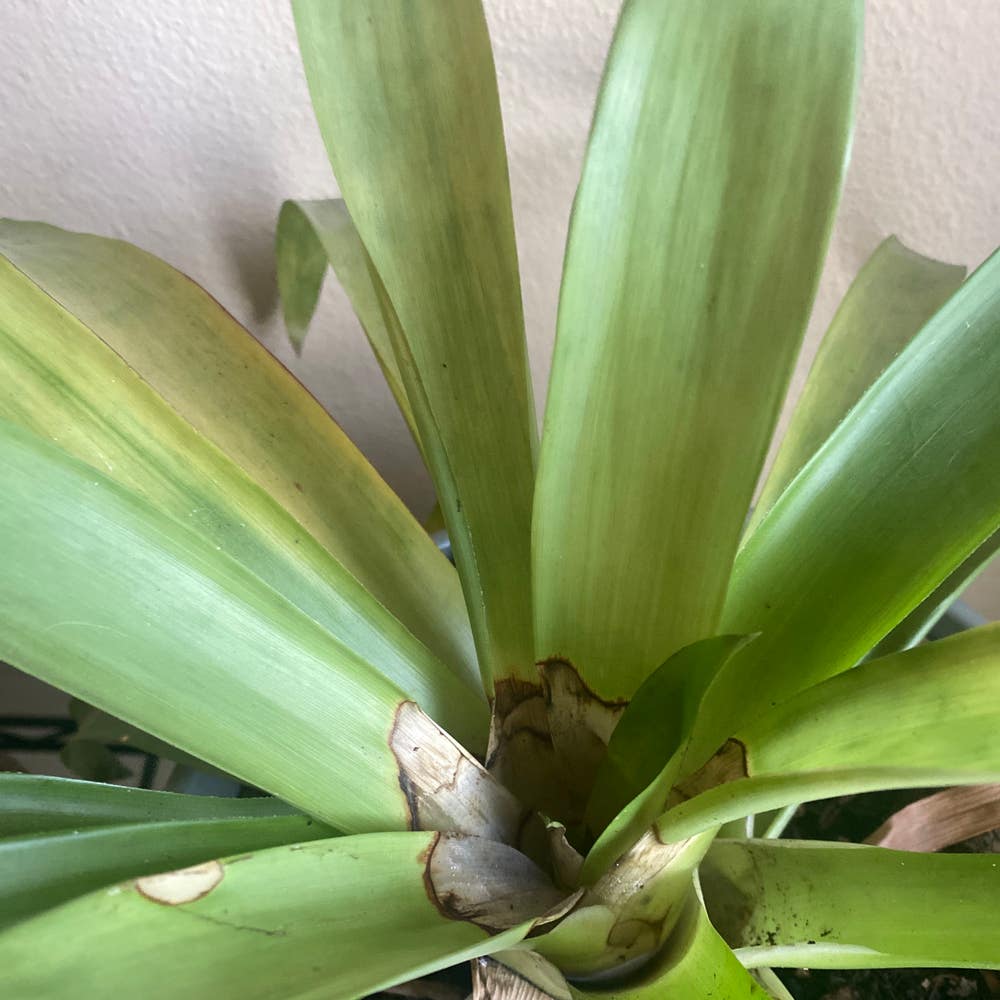
Vigilance is key in spotting leaves that are past their prime. Yellowed, brown, or damaged foliage not only looks bad but can be a beacon for disease. Get in there with your shears and cut these offenders out, close to the base. Remember, you're not just tidying up; you're preventing potential health issues for your plant. Keep those cuts clean and sharp to avoid ragged edges that could lead to rot.
⚠️ Safety First
This content is for general information and may contain errors, omissions, or outdated details. It is not medical, veterinary advice, or an endorsement of therapeutic claims.
Always consult a qualified healthcare professional before using any plant as food, medicine, or supplement.
Never eat any plant (or feed one to pets) without confirming its identity with at least two trusted sources.
If you suspect poisoning, call Poison Control (800) 222-1222, the Pet Poison Helpline (800) 213-6680, or your local emergency service immediately.
Spotted an error? Please report it here.
Prune your Neoregelia 'Cotton Candy' like a pro with seasonal tips from this guide and Greg's timely reminders 📅 to keep your plant thriving and beautiful.