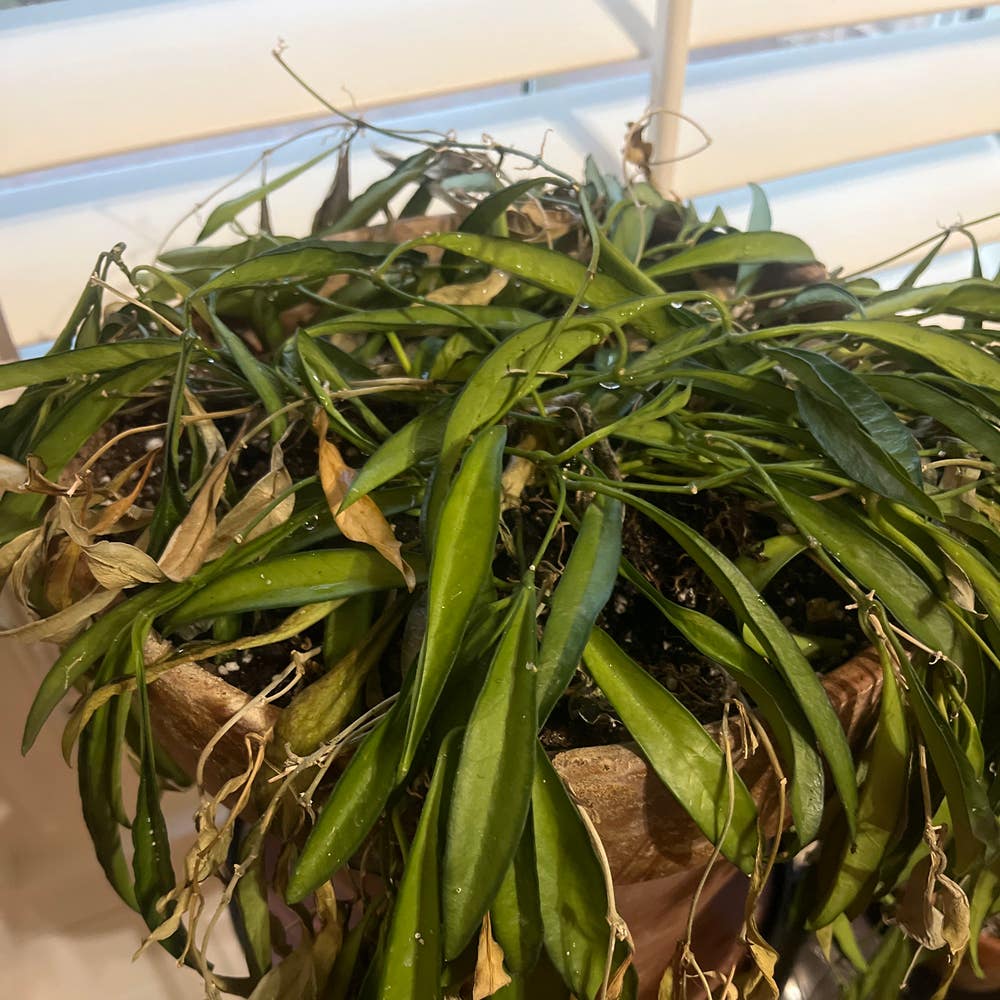
What's Eating Your Hoya Wayetii? 🐛
Hoya wayetii
By the Greg Editorial Team
Nov 07, 2024•5 min read
This article was created with the help of AI so we can cover more plants for you. May contain errors. See one? Report it here.
- 🦌 Hoya Wayetii faces threats from deer, rabbits, squirrels, and rodents.
- 🚫 Effective deterrents include repellents, fencing, and strategic plant placement.
- 🌱 Regular monitoring and education enhance garden safety and plant health.
Common Herbivores Affecting Hoya Wayetii
🦌 Deer
Signs of presence and damage
Look for distinct hoof prints in the soil, which indicate deer activity. You may also notice irregularly shaped leaf edges and stripped stems, clear signs that these herbivores have been browsing.
Impact on Hoya Wayetii (beneficial or harmful)
Deer are generally harmful to Hoya Wayetii. Their feeding habits can severely damage the plant, leading to stunted growth and reduced flowering.
Deterrent methods
To keep deer at bay, consider using commercial deer repellents with strong scents. Alternatively, you can plant deer-resistant species nearby or use human hair and soap shavings as organic deterrents.
🐇 Rabbits
Signs of presence and damage
Rabbits leave small, round droppings near the plant. You might also find cleanly cut stems and leaves, often at a 45-degree angle, indicating their nibbling.
Impact on Hoya Wayetii (beneficial or harmful)
Rabbits are generally harmful as well. Their feeding can lead to significant damage and hinder the growth of your Hoya Wayetii.
Deterrent methods
Bitter-tasting sprays serve as effective chemical deterrents against rabbits. For an organic approach, consider fencing at least 2 feet high and using garlic or hot pepper repellents.
🐿️ Squirrels
Signs of presence and damage
Squirrels can be identified by bark damage and missing leaves. Look for signs of nests in nearby trees, which indicate their presence.
Impact on Hoya Wayetii (beneficial or harmful)
Squirrels are generally harmful to Hoya Wayetii. They can cause leaf loss and damage to stems, impacting the plant's health.
Deterrent methods
Commercial squirrel repellents can help deter these critters. Additionally, installing motion-activated sprinklers and using reflective materials can scare them away.
🐦 Birds
Signs of presence and damage
You may find feathers near your plant, along with holes pecked into leaves or flowers. These signs indicate bird activity.
Impact on Hoya Wayetii (beneficial or harmful)
Birds have a mixed impact on Hoya Wayetii. While some may damage flowers, others can help control insect populations, providing a balance.
Deterrent methods
Typically, no chemical deterrents are used for birds. Instead, consider installing bird netting or using scare devices like reflective tape to protect your plants.
🐭 Rodents (mice, voles, etc.)
Signs of presence and damage
Look for small burrows near the plant and gnaw marks on stems and roots. These signs indicate rodent activity.
Impact on Hoya Wayetii (beneficial or harmful)
Rodents are generally harmful, as they can cause severe damage to roots and lower stems, jeopardizing the plant's health.
Deterrent methods
Rodent bait stations can serve as effective chemical deterrents. For organic solutions, use traps and plant mint or other deterrent plants nearby.
🦡 Groundhogs/Woodchucks
Signs of presence and damage
Groundhogs leave large burrows in the ground and often gnaw on stems and leaves at ground level. These signs are clear indicators of their presence.
Impact on Hoya Wayetii (beneficial or harmful)
Groundhogs are generally harmful and can decimate plants quickly due to their aggressive feeding habits.
Deterrent methods
Commercial repellents specifically designed for groundhogs can be effective. For a more organic approach, install fencing at least 3 feet high and buried underground, or use castor oil as a repellent.
Understanding these common herbivores and their impacts on Hoya Wayetii is crucial for maintaining a healthy plant. With the right deterrent methods, you can protect your beloved plant from these hungry visitors. Next, let's explore general protection strategies to safeguard your Hoya Wayetii from herbivore damage.
General Protection Strategies for Hoya Wayetii
🛡️ Preventive measures against herbivore damage
To protect your Hoya Wayetii from herbivores, regular monitoring is essential. Keep an eye out for signs of animal presence, such as droppings or damaged leaves.
Another effective strategy is plant placement. Position your Hoya Wayetii in less accessible areas of your garden to deter hungry visitors.
⚠️ Reactive solutions for managing animal interactions
When you notice signs of damage, immediate action is crucial. Use deterrents promptly to minimize further harm to your plant.
Additionally, repairing damage is vital for recovery. Prune any affected areas to encourage new growth and maintain the plant's health.
🌱 Seasonal variations in animal attraction to Hoya Wayetii
Understanding seasonal patterns can help you anticipate herbivore activity. In spring, increased herbivore activity coincides with the new growth of your Hoya Wayetii.
During summer, flowering can attract not only pollinators but also some herbivores. Being aware of these changes allows you to adjust your protection strategies accordingly.
By implementing these general protection strategies, you can help ensure the vitality of your Hoya Wayetii. Next, let’s explore the toxicity and safety aspects of this intriguing plant.
Toxicity and Safety
🐾 Discussion of any toxic effects of Hoya Wayetii on animals
Hoya Wayetii produces a milky sap that can have mild toxic effects on some animals. This sap may deter excessive feeding, acting as a natural defense mechanism for the plant.
🚫 Implications for animal interactions and garden safety
Understanding the toxicity of Hoya Wayetii is crucial for gardeners. It allows for informed decisions about where to place the plant, minimizing unwanted animal interactions.
Educating others about the plant's properties can prevent accidental ingestion by pets or wildlife. This knowledge not only enhances garden safety but also promotes a healthier environment for both plants and animals.
As you cultivate your Hoya Wayetii, keep these safety measures in mind to ensure a thriving garden ecosystem. With the right precautions, you can enjoy the beauty of this plant while protecting your garden from potential harm.
⚠️ Safety First
This content is for general information and may contain errors, omissions, or outdated details. It is not medical, veterinary advice, or an endorsement of therapeutic claims.
Always consult a qualified healthcare professional before using any plant as food, medicine, or supplement.
Never eat any plant (or feed one to pets) without confirming its identity with at least two trusted sources.
If you suspect poisoning, call Poison Control (800) 222-1222, the Pet Poison Helpline (800) 213-6680, or your local emergency service immediately.
Spotted an error? Please report it here.
Safeguard your Hoya Wayetii from herbivores and ensure its vitality 🌱 with Greg's tailored care reminders and expert tips for a thriving plant!