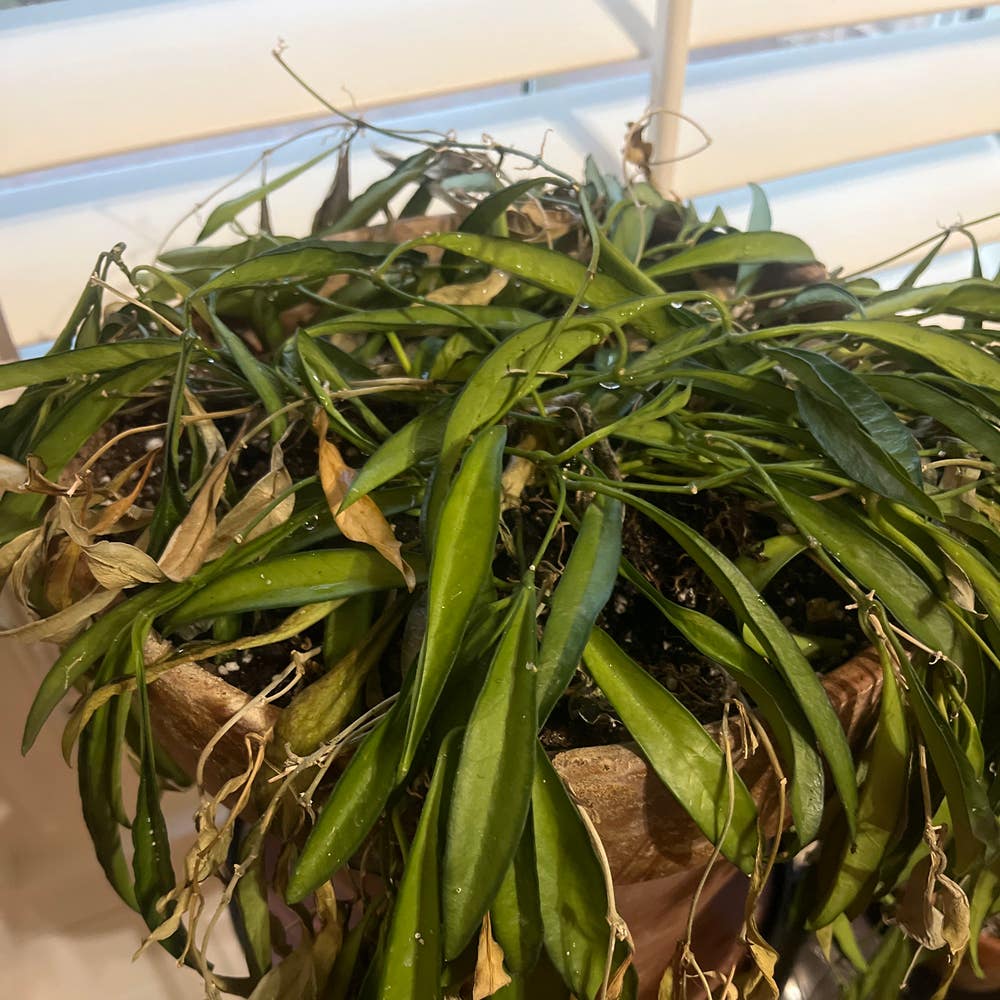
🌱 Hoya Wayetii Roots 101
Hoya wayetii
By the Greg Editorial Team
Nov 07, 2024•7 min read
This article was created with the help of AI so we can cover more plants for you. May contain errors. See one? Report it here.
- 🌱 Hoya Wayetii thrives with adaptable roots, extending up to 2 feet for nutrients.
- 💧 Prevent root rot by allowing soil to dry 1-2 inches before watering.
- 🌿 Healthy roots are vital for propagation; check regularly for firmness and color.
Characteristics of Roots
🌱 Type of Root System
Hoya Wayetii features a fibrous root system that is both efficient and adaptable. These roots are thin and numerous, which allows the plant to absorb nutrients and water effectively.
The shallow yet wide-spreading nature of the roots means they can thrive in various pot sizes. This adaptability is crucial for ensuring the plant remains healthy, regardless of its growing conditions.
📏 Root Depth and Spread
The root depth of Hoya Wayetii is typically shallow, extending between 6 to 12 inches deep. This shallow depth is ideal for the plant's growth habits and environmental needs.
In terms of root spread, these roots can extend up to 2 feet in diameter, depending on the pot size and overall growing conditions. They tend to grow horizontally, actively seeking moisture and nutrients in the top layers of soil, which is essential for their health and vitality.
Understanding these root characteristics can help you provide the best care for your Hoya Wayetii, ensuring it flourishes in your home. Next, we will explore how this unique root system affects watering and fertilizing needs.
Watering and Fertilizing
🌱 How Root System Affects Watering Needs
The Hoya Wayetii’s fibrous root system plays a crucial role in its watering needs. To keep your plant healthy, allow the top 1-2 inches of soil to dry out between waterings, which helps prevent overwatering.
Be on the lookout for signs of overwatering, such as yellowing leaves and mushy roots. These symptoms often indicate root rot, a condition that can quickly jeopardize your plant's health.
🌿 Fertilization Techniques Based on Root Health
Fertilizing your Hoya Wayetii correctly is essential for maintaining robust roots. A balanced liquid fertilizer should be applied every 4-6 weeks during the growing season to support growth.
If you notice that your plant's roots appear unhealthy or stressed, consider reducing the frequency of fertilization. This adjustment can help your plant recover and thrive, ensuring it gets the nutrients it needs without overwhelming its root system.
As you care for your Hoya Wayetii, remember that proper watering and fertilization are key to nurturing a vibrant plant. Next, we’ll explore the best practices for transplanting and repotting your Hoya to promote healthy growth.
Transplanting and Repotting
🌱 Best Practices for Transplanting
Transplanting your Hoya Wayetii is best done in spring or early summer when the plant is actively growing. This timing helps minimize stress and encourages a smooth transition.
Steps for Transplanting
- Choose a Pot: Select a pot that is 1-2 inches larger in diameter than the current one.
- Use Well-Draining Mix: Opt for a high-quality, well-draining potting mix to promote healthy root growth.
- Loosen the Root Ball: Gently loosen the root ball and remove any dead or damaged roots to encourage new growth.
🔍 Signs That Indicate When to Repot
Knowing when to repot is crucial for maintaining a healthy Hoya Wayetii. Here are some clear indicators that it’s time to make a move.
- Roots Out of Drainage Holes: If you see roots growing out of the drainage holes, it’s a sign your plant is rootbound.
- Stunted Growth: If your plant is not growing despite proper care, it may need more space.
- Soil Dries Too Quickly: If the soil dries out rapidly after watering, the roots may have filled the pot, limiting moisture retention.
Recognizing these signs early can help you keep your Hoya Wayetii thriving. By following these transplanting and repotting guidelines, you can ensure your plant continues to flourish in its new environment. Next, we’ll explore common root-related issues and how to address them effectively.
Common Root-Related Issues
🕵️♂️ Identifying Root Rot and Its Causes
Root rot is a common issue that can plague Hoya Wayetii, and recognizing its symptoms early is crucial for saving your plant. Look out for wilting leaves, yellowing foliage, and an unpleasant smell emanating from the soil—these are telltale signs that your plant may be suffering.
The primary culprits behind root rot are overwatering and poor drainage. When the roots sit in waterlogged soil, they suffocate and begin to decay, leading to a cascade of problems for your plant.
⚒️ Solutions for Root-Related Problems
If you suspect root rot, swift action is necessary. Start by carefully removing the plant from its pot to assess the root system.
- Trim away any affected roots using sterilized scissors to prevent further infection.
- Repot the plant in fresh, dry soil that promotes good drainage.
- Ensure the new pot has adequate drainage holes to avoid future issues.
Taking these steps can help revive your Hoya Wayetii and restore its health.
🛡️ Preventative Measures for Healthy Roots
Prevention is always better than cure when it comes to root health. To keep your roots thriving, ensure that your pots have proper drainage.
Water your plant only when necessary, allowing the top layer of soil to dry out before the next watering. This practice not only prevents overwatering but also encourages healthy root growth.
By staying vigilant and proactive, you can maintain the vitality of your Hoya Wayetii and enjoy its lush foliage for years to come.
Next, let’s explore how to recognize root health through visual cues and signs of stress.
Recognizing Root Health
🌱 Visual Cues of Healthy vs. Unhealthy Roots
Healthy roots are a gardener's dream. They should feel firm to the touch, displaying a vibrant white or light tan color, and importantly, they won't emit any foul odors.
In contrast, unhealthy roots tell a different story. Look for dark, mushy, or slimy textures, often accompanied by a rotten smell. These signs indicate that your plant may be in trouble and needs immediate attention.
⚠️ Indicators of Root Stress or Damage
Root health is crucial for overall plant vitality. Signs of stress include leaf drop, stunted growth, and discoloration of leaves, which can be alarming for any plant parent.
If you notice these symptoms, it's time to investigate further. Healthy roots are essential for a thriving plant, so addressing any issues promptly can make all the difference.
Understanding these visual cues and indicators can empower you to take action before problems escalate. With a little care and attention, your Hoya Wayetii can flourish beautifully.
Rootbound Plants
Definition and Signs of Rootbound Conditions 🌱
A rootbound plant occurs when its roots have completely filled the pot, often circling around the edges. You can spot this condition if you see roots peeking above the soil line or emerging through the drainage holes.
Another telltale sign is the soil drying out rapidly after watering, indicating that the roots are too crowded to absorb moisture effectively.
When and How to Address Rootbound Issues 🛠️
Timing for Intervention
It's best to tackle rootbound conditions during the growing season when the plant is actively growing. This timing helps ensure a smoother transition for the plant.
Steps to Resolve
- Gently remove the plant from its pot.
- Loosen and trim any circling roots to encourage new growth.
- Repot the plant in a larger container filled with fresh soil.
Importance of Root Health in Propagation and Division 🌿
Healthy roots are crucial for successful propagation and division. When taking cuttings, ensure that the roots are intact and healthy to boost the chances of thriving new plants.
By maintaining strong root health, you set the stage for vibrant growth and successful propagation. This attention to detail can make all the difference in your plant care journey.
As we explore further, let’s delve into recognizing root health and understanding how to identify both healthy and unhealthy roots.
⚠️ Safety First
This content is for general information and may contain errors, omissions, or outdated details. It is not medical, veterinary advice, or an endorsement of therapeutic claims.
Always consult a qualified healthcare professional before using any plant as food, medicine, or supplement.
Never eat any plant (or feed one to pets) without confirming its identity with at least two trusted sources.
If you suspect poisoning, call Poison Control (800) 222-1222, the Pet Poison Helpline (800) 213-6680, or your local emergency service immediately.
Spotted an error? Please report it here.
Unlock the secret to thriving roots 🌿 with Greg's tailored watering alerts and expert care tips, ensuring your Hoya Wayetii flourishes without the worry of root rot!