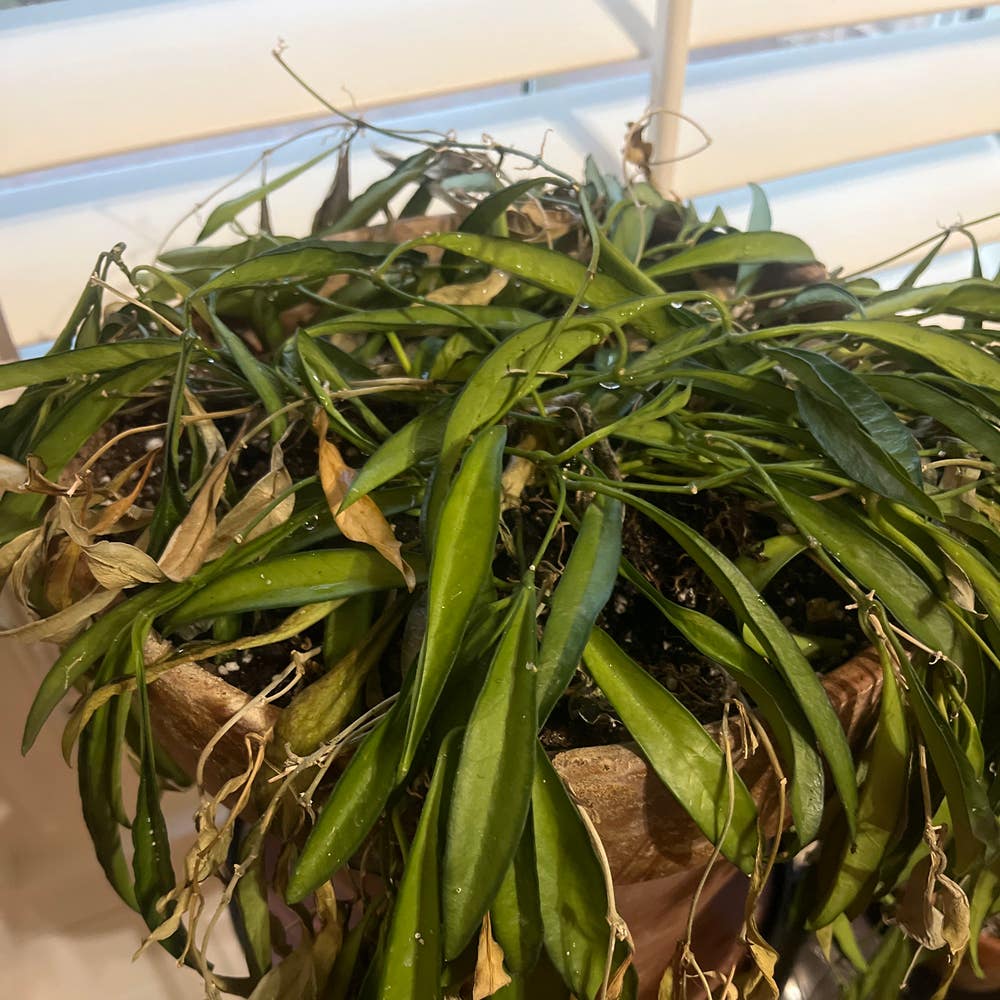
🪴 Top 4 Tips for Choosing Soil for Your Hoya Wayetii
Hoya wayetii
By the Greg Editorial Team
Nov 07, 2024•4 min read
This article was created with the help of AI so we can cover more plants for you. May contain errors. See one? Report it here.
- 🌱 Choose well-draining, aerated soil for optimal Hoya Wayetii health.
- 🧪 Ideal soil pH is 6.0-7.0; use test strips for accuracy.
- 🌿 Homemade soil mix with peat, perlite, and orchid bark promotes growth.
Ideal Soil Composition
🌱 Components for Hoya Wayetii Soil
Choosing the right soil for your Hoya Wayetii is crucial for its health. The ideal soil should be well-draining, aerated, and moisture-retentive to support optimal growth.
To achieve this, consider these recommended components:
- Peat Moss: This ingredient retains moisture, ensuring your plant has access to water without becoming waterlogged.
- Perlite: Known for enhancing drainage and aeration, perlite helps prevent root rot by allowing excess water to escape.
- Orchid Bark: This adds structure to the mix and prevents soil compaction, promoting healthy root development.
For a balanced potting mix, use the following suggested ratios:
- 40% peat moss
- 30% perlite
- 30% orchid bark
🏡 Creating a Homemade Soil Mix (difficulty: easy)
Making your own soil mix is straightforward and rewarding. Follow these simple steps to create the perfect blend for your Hoya Wayetii.
- Gather Materials: You’ll need peat moss, perlite, orchid bark, and activated charcoal.
- Measure Components: Use the recommended ratios to ensure a balanced mix.
- Mix Thoroughly: Combine all ingredients in a large container until uniform.
🚨 Identifying Unhealthy Soil
Recognizing unhealthy soil is essential for maintaining your plant's vitality. Here are some signs to watch for:
Signs of Unhealthy Soil
- Moldy Soil: Look for white or gray mold on the surface. This can indicate overwatering or poor air circulation, which can harm your plant.
- Soil Compaction: If the soil feels dense and hard, it can restrict aeration and hinder root growth, leading to poor plant health.
🛠️ Solutions for Unhealthy Soil
If you identify unhealthy soil, don’t worry—there are effective solutions.
Repotting Techniques
Repotting can rejuvenate your Hoya Wayetii when soil issues arise. Here’s when and how to do it:
- When to Repot: Look for signs of unhealthy soil or if your plant is root-bound.
- Steps for Successful Repotting:
- Gently remove the plant from its pot.
- Inspect the roots for any signs of rot or damage.
- Trim away unhealthy roots and clean the pot.
- Replant in fresh, well-draining soil mix.
🌿 Soil Amendments
Improving soil health can be achieved with the right amendments. Consider these options:
- Activated Charcoal: This helps absorb toxins and enhances drainage.
- Worm Castings: A fantastic addition, worm castings provide essential nutrients and beneficial microbes to support plant growth.
With the right soil composition and care, your Hoya Wayetii will thrive beautifully. Next, let’s explore the importance of soil pH and nutrient needs for optimal growth.
Soil pH and Nutrient Needs
Ideal pH Range 🌱
For your Hoya Wayetii to thrive, aim for a soil pH between 6.0 and 7.0. This range is crucial for optimal nutrient uptake, ensuring your plant gets what it needs to flourish.
Maintaining slightly acidic to neutral conditions is vital. If the pH strays too far from this range, nutrient availability can diminish, leading to poor plant health.
Testing and Adjusting Soil pH 🔍
To keep your soil in check, consider these testing methods:
- pH Test Strips: These are simple and effective for quick checks.
- Digital pH Meter: For more accurate readings, this tool is a great investment.
If you find your pH needs adjusting, here’s how to do it:
- To Lower pH: Add sulfur or peat moss to acidify the soil.
- To Raise pH: Incorporate lime or wood ash to make the soil more alkaline.
Nutrient Requirements 🍽️
Your Hoya Wayetii requires essential nutrients for healthy growth:
- Nitrogen: This nutrient promotes lush leaf growth.
- Phosphorus: It supports root development and encourages flowering.
- Potassium: This element enhances overall plant health and resilience.
To keep your plant thriving, follow a monthly fertilization schedule during the growing season. This routine will ensure your Hoya receives the nutrients it craves to grow strong and beautiful.
With the right pH and nutrient balance, your Hoya Wayetii will be well on its way to becoming a stunning centerpiece in your home. Next, let’s explore how to identify and address unhealthy soil conditions to keep your plant thriving.
⚠️ Safety First
This content is for general information and may contain errors, omissions, or outdated details. It is not medical, veterinary advice, or an endorsement of therapeutic claims.
Always consult a qualified healthcare professional before using any plant as food, medicine, or supplement.
Never eat any plant (or feed one to pets) without confirming its identity with at least two trusted sources.
If you suspect poisoning, call Poison Control (800) 222-1222, the Pet Poison Helpline (800) 213-6680, or your local emergency service immediately.
Spotted an error? Please report it here.
Nurture your Hoya Wayetii with perfect soil 🌱 by using Greg's tailored tips and pH monitoring tools to create an ideal environment for thriving growth!