🌸 Ultimate Guide to Repotting Hoya Wayetii
Hoya wayetii
By the Greg Editorial Team
Nov 07, 2024•6 min read
This article was created with the help of AI so we can cover more plants for you. May contain errors. See one? Report it here.
- 🌱 Repot when roots show through drainage holes or soil dries too quickly.
- 🌼 Lack of blooms and yellow leaves indicate your Hoya is root-bound and needs repotting.
- 🌞 Spring is ideal for repotting Hoya Wayetii, aligning with its growth phase.
Signs that Hoya Wayetii Needs Repotting
Visual Indicators 🌱
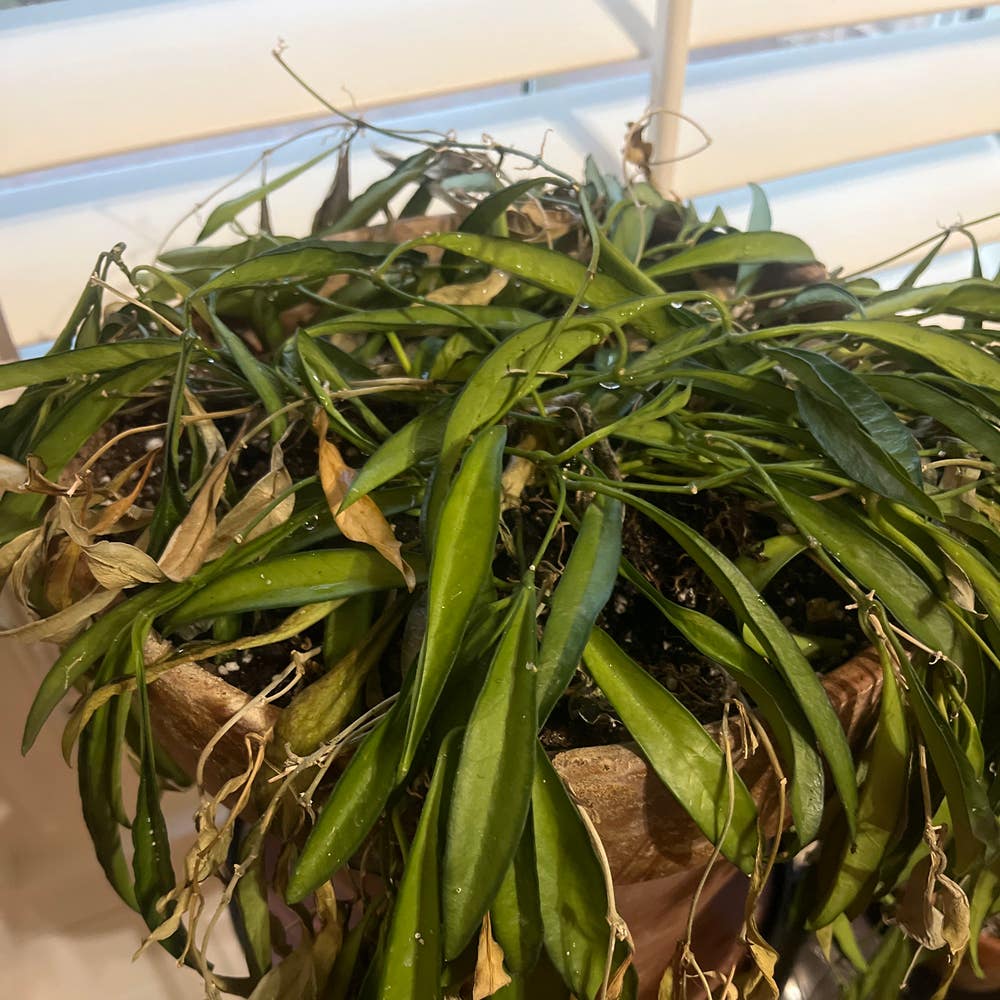
Recognizing when your Hoya Wayetii needs repotting is crucial for its health. One of the first signs is root growth; if you see roots poking out of the drainage holes, it's time to take action.
Additionally, pay attention to the soil condition. If it dries out too quickly or seems to hold too much moisture, your plant may be struggling. Stunted growth or yellowing leaves are also clear indicators that your Hoya is in distress and may need a new home.
Growth Patterns 📈
Next, observe the growth patterns of your plant. If you notice smaller leaves than usual, it could signal that your Hoya is root-bound and lacking space to thrive.
Another red flag is reduced or no flowering, even when conditions seem optimal. This lack of blooms can indicate that your plant is not getting the care it needs, often due to being confined in its current pot.
Timing Considerations ⏰
Timing is everything when it comes to repotting. Look for these signs primarily during the growing season, which spans spring and summer. This is when your Hoya Wayetii is most active and can recover quickly from the stress of repotting.
By keeping an eye on these indicators, you can ensure your Hoya Wayetii remains healthy and vibrant. Next, let’s explore the best time of year to repot your plant for optimal results.
Best Time of Year to Repot Hoya Wayetii
🌱 Optimal Seasons
The best time to repot your Hoya Wayetii is in spring. This season marks the beginning of the plant's active growth phase, making it more resilient to the changes that come with repotting.
If you miss the spring window, early summer is also a suitable time. Just be mindful that the plant should still be in its growth mode to handle the transition smoothly.
🚫 Avoiding Stress
It's crucial to avoid repotting during the plant's dormancy, which typically occurs in fall and winter. Repotting during these months can stress your Hoya Wayetii, leading to potential setbacks in growth and health.
By timing your repotting correctly, you set your plant up for success, allowing it to thrive in its new environment. This thoughtful approach ensures that your Hoya Wayetii continues to flourish and bring beauty to your space.
As you prepare for the next steps in repotting, consider the materials and techniques that will best support your plant's needs.
Pot Material Options for Hoya Wayetii
Choosing the right pot material for your Hoya Wayetii can significantly impact its health and growth. Here’s a breakdown of the most common options.
⚖️ Pros and Cons of Each Pot Material
Ceramic
Ceramic pots are visually appealing and help retain moisture, making them a popular choice. However, they can be heavy and may crack in freezing temperatures, which is something to consider if you live in a colder climate.
Plastic
Plastic pots are lightweight and affordable, making them easy to handle and budget-friendly. The downside is that they can lead to overwatering if drainage isn't adequate, so ensure your pot has proper holes.
Terracotta
Terracotta pots promote healthy root growth and provide excellent drainage. On the flip side, they dry out quickly, requiring more frequent watering, which can be a challenge for some plant owners.
📏 Recommended Pot Sizes for Hoya Wayetii
When it comes to sizing, young Hoya Wayetii plants thrive in pots that are 6-8 inches in diameter. As your plant matures, consider transitioning to larger pots, ideally 10-12 inches in diameter, to accommodate its growing root system.
Selecting the right pot material and size is crucial for your Hoya Wayetii's success. Now that you know your options, let’s explore the ideal soil and drainage conditions for optimal growth.
Soil and Drainage for Hoya Wayetii
🌱 Ideal Soil Mix for Hoya Wayetii
Creating the right soil mix is crucial for the health of your Hoya Wayetii. A blend of potting soil, perlite, and orchid bark works wonders, providing both nutrients and aeration.
For optimal results, use a ratio of 2:1:1 (potting soil:perlite:orchid bark). This combination ensures that your plant has the right balance of moisture retention and drainage.
💧 Importance of Drainage
Drainage plays a vital role in root health. Proper drainage prevents water from pooling at the bottom of the pot, which can lead to root rot and other moisture-related issues.
When the soil drains well, it allows roots to breathe and absorb nutrients effectively. This is essential for maintaining vibrant, healthy foliage.
🧪 Creating a Well-Draining Potting Mix
Mixing your own potting soil is straightforward and rewarding. Follow these simple steps to create a well-draining potting mix for your Hoya Wayetii:
- Combine potting soil, perlite, and orchid bark in a container.
- Mix thoroughly to ensure even distribution of all components.
- Adjust the ratios based on your plant's specific moisture needs.
By customizing your soil mix, you can cater to the unique requirements of your Hoya Wayetii, promoting robust growth and vibrant blooms.
With the right soil and drainage in place, your plant will thrive, setting the stage for successful repotting. Next, let’s explore the post-repotting care that will help your Hoya Wayetii adjust smoothly to its new environment.
Post-Repotting Care for Hoya Wayetii
🌊 Immediate Care After Repotting
After repotting your Hoya Wayetii, the first step is to ensure it receives adequate watering. Water the plant thoroughly, but be cautious not to waterlog it, as excess moisture can lead to root rot.
Next, provide the plant with indirect light for a few days. This gentle light exposure helps reduce stress as it acclimates to its new pot.
🚨 Signs of Stress After Repotting
Keep an eye out for signs of stress in your plant. Symptoms like wilting, leaf drop, or discoloration can indicate that your Hoya is struggling to adjust.
If you notice these issues, consider adjusting its watering and light conditions. Sometimes, a simple tweak can make all the difference in helping your plant recover.
🗓️ Watering Schedule Post-Repotting
Immediately after repotting, give your Hoya a thorough watering to help settle the soil.
For the follow-up, wait until the top inch of soil is dry before watering again. This approach ensures that the roots have time to breathe and prevents overwatering, which can be detrimental to your plant's health.
By following these post-repotting care tips, you’ll set your Hoya Wayetii up for success in its new home. Next, let's explore common repotting mistakes to avoid, ensuring your plant thrives without unnecessary setbacks.
⚠️ Safety First
This content is for general information and may contain errors, omissions, or outdated details. It is not medical, veterinary advice, or an endorsement of therapeutic claims.
Always consult a qualified healthcare professional before using any plant as food, medicine, or supplement.
Never eat any plant (or feed one to pets) without confirming its identity with at least two trusted sources.
If you suspect poisoning, call Poison Control (800) 222-1222, the Pet Poison Helpline (800) 213-6680, or your local emergency service immediately.
Spotted an error? Please report it here.
Repotting your Hoya Wayetii is easy and rewarding 🌿 when you spot the right signs and use Greg's tailored care tips to keep your plant thriving!