💧 Humidity Needs for Your Hoya Wayetii
Hoya wayetii
By the Greg Editorial Team
Nov 07, 2024•6 min read
This article was created with the help of AI so we can cover more plants for you. May contain errors. See one? Report it here.
- 🌬️ Hoya Wayetii thrives at 60%-80% humidity for optimal growth and blooming.
- ❗️ Low humidity below 40% causes stress, leading to leaf drop and wilting.
- 💧 Use humidifiers or pebble trays to maintain ideal humidity levels effectively.
Humidity Needs of Hoya Wayetii
🌫️ Absolute vs. Relative Humidity
Understanding humidity is crucial for nurturing your Hoya Wayetii. Let's break it down.
Absolute humidity refers to the total amount of water vapor present in a specific volume of air. This measurement is important but can be a bit abstract for plant care.
On the other hand, relative humidity is more practical for your plant's needs. It indicates the percentage of moisture in the air compared to the maximum amount that air can hold at a given temperature.
For optimal growth, Hoya Wayetii thrives in an ideal relative humidity range of 60% to 80%. Staying within this range helps your plant flourish and bloom beautifully.
Maintaining the right humidity levels is essential. Too low, and your plant may suffer; too high, and you risk mold and other issues. Understanding these concepts will set you on the right path to keeping your Hoya Wayetii happy and healthy.
Next, let’s explore the ideal humidity levels for your plant.
Ideal Humidity Levels
Optimal Humidity Range 🌧️
For your Hoya Wayetii to thrive, aim for a relative humidity of 60% to 80%. This range is crucial for promoting healthy growth and vibrant blooms.
Humidity levels below 40% can lead to stress symptoms like leaf drop or wilting. Conversely, exceeding 80% can create a breeding ground for mold and fungal issues, which can harm your plant.
Maintaining the right humidity is essential for your Hoya Wayetii's overall health. By keeping an eye on these levels, you can ensure your plant remains lush and beautiful.
Next, let’s explore effective ways to manage humidity for your Hoya Wayetii.
Managing Humidity
🌧️ Boosting Humidity
Humidifiers
When it comes to increasing humidity for your Hoya Wayetii, humidifiers are a top choice. You can opt for cool mist or warm mist models, each serving to elevate moisture levels effectively.
For optimal results, place your humidifier near your plants but not directly on them. This ensures a steady flow of moisture without overwhelming your Hoya.
Pebble Trays
Setting up a pebble tray is a simple yet effective method to boost humidity. Fill a shallow tray with pebbles and add water until it just touches the bottom of the pebbles.
This setup creates localized humidity as the water evaporates, benefiting your Hoya Wayetii without excessive moisture in the soil.
Grouping Plants
Clustering your plants can significantly enhance humidity levels. When grouped together, plants create a microenvironment that retains moisture.
However, ensure there's adequate air circulation among the plants to prevent mold and mildew. This balance is crucial for maintaining healthy foliage.
Misting Techniques
Misting can be a quick way to increase humidity, but timing is key. Aim to mist your Hoya Wayetii in the morning, allowing leaves to dry before evening.
Be cautious not to over-mist, as excessive moisture can lead to fungal issues. A light misting every few days is often sufficient.
🌬️ Reducing Humidity
Air Circulation
Good airflow is essential to prevent stagnant air around your plants. Stagnation can lead to mold growth and other humidity-related problems.
Consider using fans or opening windows to improve ventilation. This simple step can make a significant difference in your plant's health.
Avoiding Overwatering
Overwatering is a common mistake that can exacerbate humidity issues. Look for signs like yellowing leaves or a soggy potting mix.
To correct this, adjust your watering schedule. Allow the top inch of soil to dry out before watering again, ensuring your Hoya remains happy.
Choosing the Right Potting Mix
Selecting a well-draining potting mix is vital for moisture control. A mix that retains some moisture while allowing excess to escape is ideal.
Consider blends that include perlite or orchid bark. These ingredients promote drainage, helping to maintain the right humidity levels for your Hoya Wayetii.
By effectively managing humidity, you can create a thriving environment for your Hoya Wayetii. Next, let's explore how seasonal changes can impact humidity needs and what adjustments you can make throughout the year.
Seasonal Humidity Considerations
🌦️ Adjusting Humidity for Seasonal Changes
Maintaining the right humidity levels for your Hoya Wayetii can be a challenge, especially as seasons change. Each season brings its own set of humidity-related hurdles that can impact your plant's health.
❄️ Winter Challenges
During winter, indoor heating systems can drastically reduce humidity levels. This dry air can stress your Hoya, leading to issues like leaf drop or wilting.
To combat this, consider using a humidifier or placing water trays near your plants. These methods can help maintain a more stable humidity level, keeping your Hoya happy.
☀️ Summer Management
In summer, humidity levels can spike, especially in certain climates. While Hoya Wayetii enjoys humidity, excessive moisture can lead to mold and fungal problems.
Monitor your plant closely during this season. If you notice signs of over-humidity, improve air circulation by using fans or opening windows when possible.
🌍 Year-Round Strategies
To keep your Hoya thriving throughout the year, implement a few simple strategies. Regularly check humidity levels with a hygrometer to ensure they stay within the ideal range of 60% to 80%.
Additionally, adjust your watering schedule based on the season. In winter, reduce watering frequency, while in summer, you may need to increase it slightly to accommodate higher evaporation rates.
By being proactive about humidity management, you can create a thriving environment for your Hoya Wayetii, no matter the season. This attention to detail will help you enjoy a lush, vibrant plant year-round.
Common Humidity-Related Issues
🌧️ Identifying and Solving Humidity Stress
Humidity stress can be a real challenge for your Hoya Wayetii. Recognizing the signs early can save your plant from serious damage.
Signs of Humidity Stress
Look out for these common indicators of humidity stress:
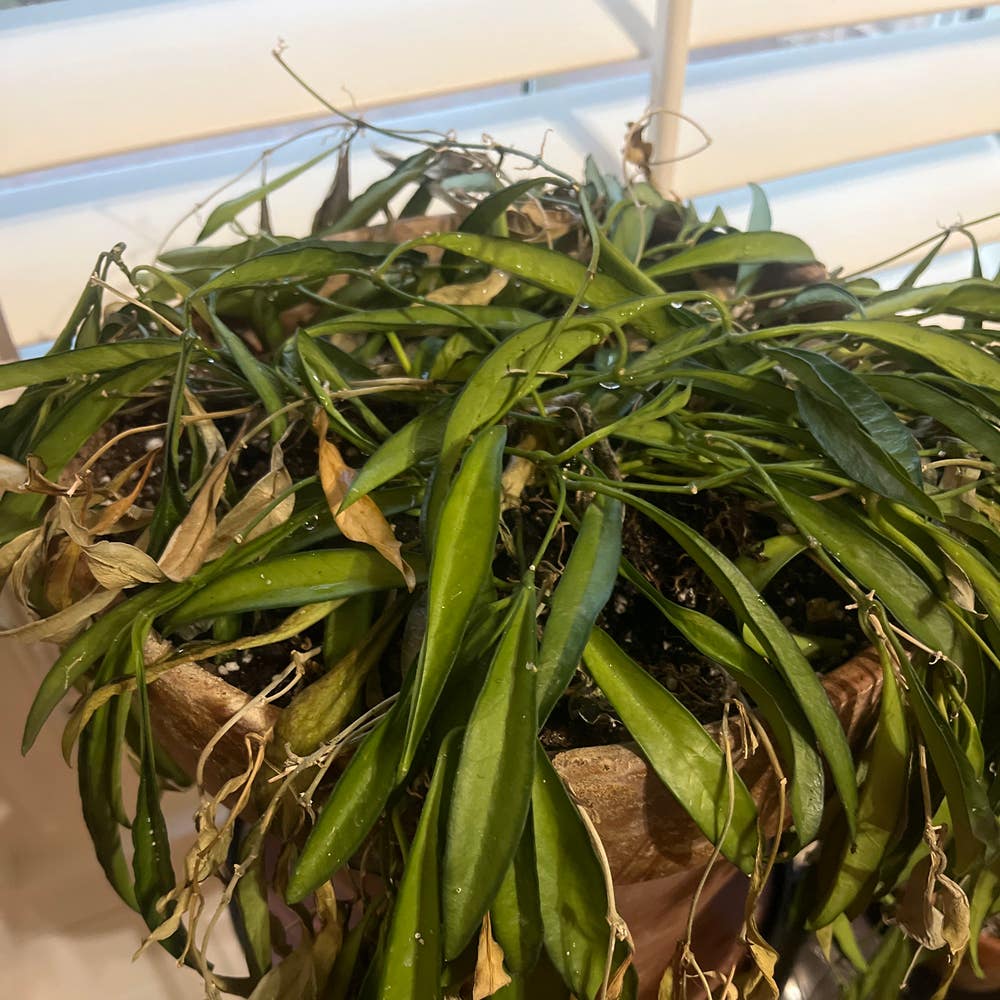
- Leaf Drop: If your Hoya starts shedding leaves, it may be crying out for more moisture.
- Wilting: Leaves that appear limp or droopy often signal low humidity levels.
- Brown Leaf Tips: This is a classic sign of insufficient moisture in the air.
Quick Fixes for Low Humidity
If you notice these symptoms, don’t panic! Here are some quick solutions:
- Use a Humidifier: A cool or warm mist humidifier can instantly boost moisture levels.
- Misting: Lightly misting your plant can provide a temporary humidity boost.
- Pebble Trays: Set up a pebble tray filled with water beneath your pot to create localized humidity.
Long-Term Strategies for Maintaining Ideal Levels
For lasting humidity control, consider these strategies:
- Regular Monitoring: Invest in a hygrometer to keep track of humidity levels.
- Grouping Plants: Cluster your Hoya with other plants to create a microenvironment with higher humidity.
- Seasonal Adjustments: Be mindful of seasonal changes and adjust your humidity strategies accordingly.
By staying vigilant and proactive, you can ensure your Hoya Wayetii thrives in its ideal humidity conditions. Next, let’s explore how to adjust humidity for seasonal changes to keep your plant happy year-round.
⚠️ Safety First
This content is for general information and may contain errors, omissions, or outdated details. It is not medical, veterinary advice, or an endorsement of therapeutic claims.
Always consult a qualified healthcare professional before using any plant as food, medicine, or supplement.
Never eat any plant (or feed one to pets) without confirming its identity with at least two trusted sources.
If you suspect poisoning, call Poison Control (800) 222-1222, the Pet Poison Helpline (800) 213-6680, or your local emergency service immediately.
Spotted an error? Please report it here.
Keep your Hoya Wayetii blooming beautifully 🌼 by using Greg's tailored humidity reminders and tips to create the ideal environment for thriving growth!