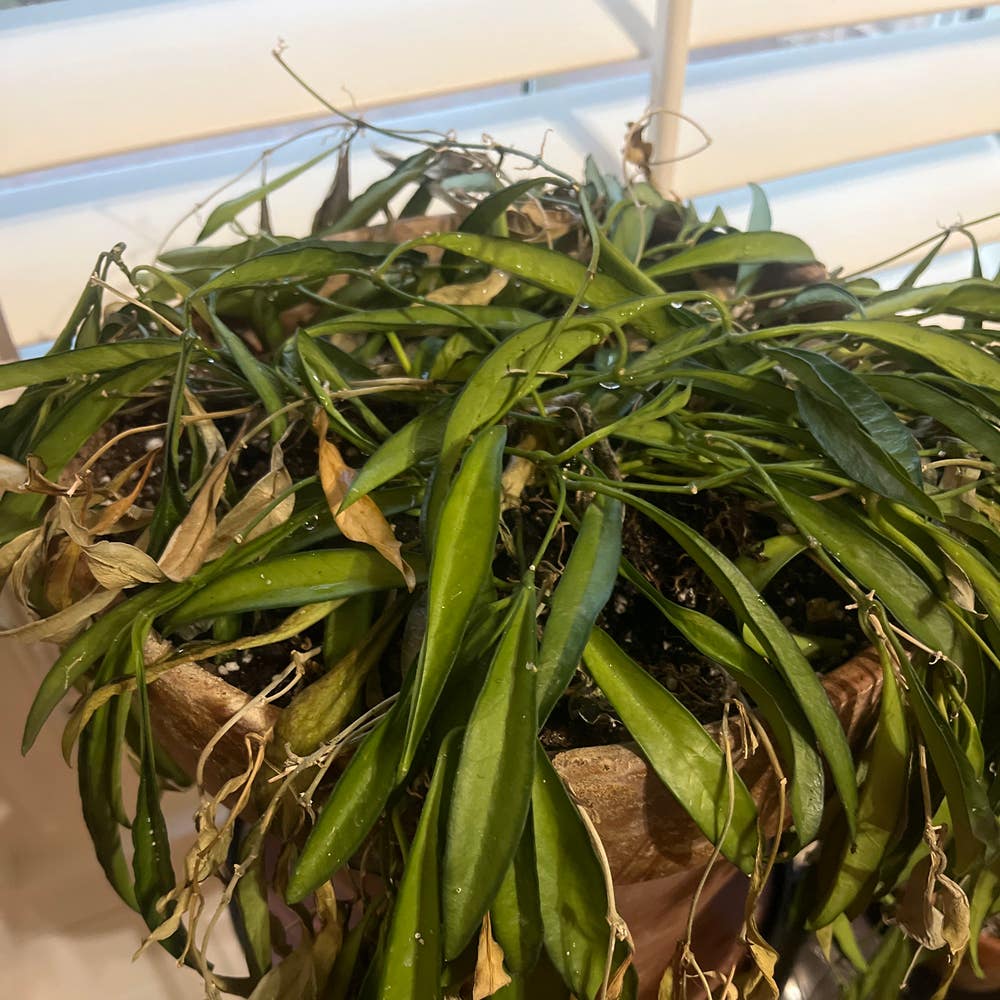
🌸 Hoya Wayetii: A Perennial Plant
Hoya wayetii
By the Greg Editorial Team
Nov 07, 2024•6 min read
This article was created with the help of AI so we can cover more plants for you. May contain errors. See one? Report it here.
- 🌱 Hoya Wayetii thrives for years, offering long-term beauty in your garden.
- 🌼 Adaptable growth habits make it perfect for trellises and hanging baskets.
- 🌞 Proper care ensures resilience and vibrant blooms throughout the seasons.
Characteristics of Hoya Wayetii as a Perennial
🌱 Multi-Year Lifecycle
Hoya Wayetii is a remarkable perennial plant known for its ability to thrive for multiple years. Unlike annuals, which complete their life cycle in one growing season, or biennials that last for two, Hoya Wayetii offers gardeners a long-term companion in their green spaces.
This longevity means that once established, Hoya Wayetii can provide beauty and interest year after year, making it a valuable addition to any garden.
🌿 Growth Patterns and Regrowth from Roots
Hoya Wayetii exhibits a climbing or trailing growth habit, which allows it to adapt beautifully to various garden settings. Its vines can gracefully drape over trellises or cascade from hanging baskets, adding a lush, tropical feel.
Each year, this plant utilizes its robust root system to regenerate new growth. This regrowth process not only ensures a vibrant display but also contributes to the overall health and vigor of the plant, making it resilient against environmental stresses.
The established root systems play a crucial role in supporting the plant's longevity and ability to thrive, allowing Hoya Wayetii to flourish in diverse conditions.
As we explore the impact of its perennial nature on growth and flowering, we’ll uncover how this plant continues to surprise and delight gardeners.
Impact of Perennial Nature on Growth and Flowering
🌸 Flowering Cycles
The perennial nature of Hoya Wayetii significantly influences its flowering cycles. This plant typically blooms at specific times of the year, often producing clusters of fragrant flowers that can brighten any space.
Several factors affect the timing and frequency of these blooms. Light exposure, temperature fluctuations, and care practices play crucial roles in determining how often Hoya Wayetii will flower. Ensuring adequate light and maintaining optimal temperatures can enhance blooming potential.
🌱 Overall Lifespan and Health
Hoya Wayetii has an impressive expected lifespan, often exceeding several years with proper care. This longevity makes it a rewarding addition to any garden or indoor space.
To gauge the health of your plant, look for specific indicators. A thriving Hoya Wayetii will exhibit vibrant leaves and robust growth, while signs of struggle may include yellowing leaves or stunted growth. Regular monitoring can help you catch any issues early, ensuring your plant remains healthy and flourishing.
As we explore the dormancy and seasonal changes next, understanding these aspects will further enhance your care routine for Hoya Wayetii.
Dormancy and Seasonal Changes
🌱 Description of Dormancy Periods
Hoya Wayetii experiences dormancy during the cooler months, typically in late fall and winter. This period is crucial as the plant conserves energy and resources, preparing for the upcoming growth season.
Dormancy is characterized by a noticeable slowdown in growth. During this time, the plant may shed some leaves, but this is a natural process that helps it survive less favorable conditions.
🍂 Seasonal Changes and Their Effects on Growth
As seasons change, Hoya Wayetii responds dynamically to variations in temperature and light. In spring and summer, the plant thrives, showcasing vibrant growth and potential blooms.
Conversely, as temperatures drop and daylight decreases, the plant's activity diminishes. Gardeners should adjust their care routines accordingly, reducing watering and fertilization to match the plant's lower energy needs during dormancy.
Understanding these seasonal patterns is key to maintaining a healthy Hoya Wayetii. By recognizing when to scale back care, you can support the plant's natural cycles and ensure robust growth when the warmer months return.
Advantages of Hoya Wayetii's Perennial Nature
🌱 Benefits for Gardeners
Hoya Wayetii offers significant advantages for gardeners, primarily through reduced replanting needs. This translates to both cost savings and less labor, allowing you to focus on enjoying your garden rather than constantly replanting.
Additionally, the established root systems of Hoya Wayetii enhance its resilience and adaptability. A strong root network means the plant can better withstand environmental stresses, making it a reliable choice for various gardening conditions.
⏳ Expected Lifespan and Influencing Factors
The expected lifespan of Hoya Wayetii can exceed several years with proper care. Factors such as consistent watering, optimal light conditions, and effective pest management play crucial roles in determining how long your plant will thrive.
When compared to other perennials, Hoya Wayetii stands out for its longevity and ease of care. Its ability to flourish with minimal intervention makes it a favorite among both novice and experienced gardeners alike.
In summary, the perennial nature of Hoya Wayetii not only simplifies gardening but also ensures a vibrant, long-lasting addition to your plant collection. As we explore the next section, we'll delve into how seasonal changes impact this resilient plant's growth and care.
Variations Across Climate Zones
Differences in Perennial Behavior in Various Climates 🌍
Hoya Wayetii exhibits distinct growth behaviors depending on the climate. In tropical regions, it flourishes with lush foliage and frequent blooms, while in temperate zones, growth may slow during cooler months.
These plants adapt remarkably to their environments. For instance, in warmer climates, they may grow more vigorously, while in cooler areas, they conserve energy and focus on root development.
Climate Zone Considerations 🌡️
Understanding climate zones is crucial for successful cultivation. Hoya Wayetii thrives best in USDA hardiness zones 9 to 11, where temperatures remain mild.
Gardeners should tailor their care practices based on local conditions. This includes adjusting watering schedules and providing adequate light to ensure optimal growth and flowering.
Maximizing Benefits in Garden Planning
Tips for Long-Term Cultivation 🌱
To keep your Hoya Wayetii thriving, focus on a few best practices. Regular watering is crucial; ensure the soil dries out slightly between waterings to prevent root rot.
Fertilization is another key aspect. Use a balanced, water-soluble fertilizer every few weeks during the growing season to promote healthy growth and flowering.
Pruning is essential for maintaining shape and encouraging new growth. Trim back any leggy vines or dead leaves to keep your plant looking its best.
Monitoring plant health is equally important. Regularly check for pests like mealybugs or spider mites, and address any issues promptly to maintain vigor.
Strategies for Incorporating Hoya Wayetii in Garden Design 🏡
When planning your garden, consider the ideal placements for Hoya Wayetii. These plants thrive on climbing structures, making trellises or poles perfect for showcasing their trailing nature.
Hanging baskets are another fantastic option, allowing the vines to cascade beautifully. Alternatively, they can serve as ground cover, adding lush greenery to your garden.
Companion planting can enhance your garden's ecosystem. Pairing Hoya Wayetii with other plants that share similar care requirements can lead to mutual benefits, such as improved pest resistance and enhanced aesthetics.
By implementing these strategies, you can maximize the benefits of Hoya Wayetii in your garden, ensuring a vibrant and flourishing space.
⚠️ Safety First
This content is for general information and may contain errors, omissions, or outdated details. It is not medical, veterinary advice, or an endorsement of therapeutic claims.
Always consult a qualified healthcare professional before using any plant as food, medicine, or supplement.
Never eat any plant (or feed one to pets) without confirming its identity with at least two trusted sources.
If you suspect poisoning, call Poison Control (800) 222-1222, the Pet Poison Helpline (800) 213-6680, or your local emergency service immediately.
Spotted an error? Please report it here.
Cultivate the enduring beauty of Hoya Wayetii 🌿 with Greg's personalized care tips and watering reminders to ensure your plant thrives for years to come!