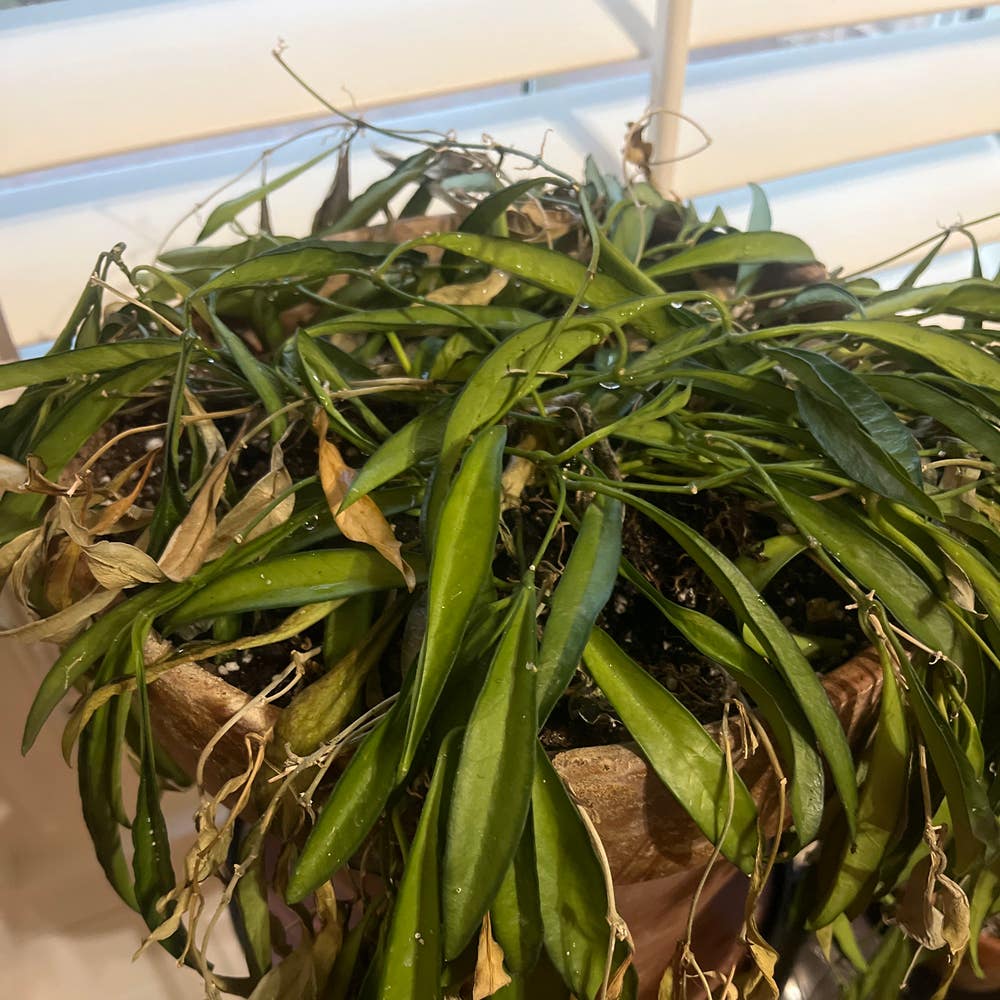
4 Tips for Healing Brown Spots on Your Hoya Wayetii 🩹
Hoya wayetii
By the Greg Editorial Team
Nov 07, 2024•6 min read
This article was created with the help of AI so we can cover more plants for you. May contain errors. See one? Report it here.
- 🌱 Brown spots on Hoya Wayetii stem from stress, pests, or fungal infections.
- 💡 Bright, indirect light prevents leaf scorching and brown spots on your plant.
- 🌬️ Humidity levels of 40-60% are vital to avoid dehydration and fungal issues.
Causes of Brown Spots
Understanding the causes of brown spots on your Hoya Wayetii is crucial for effective treatment. These unsightly blemishes can stem from various factors, each requiring a different approach to remedy.
🌪️ Environmental Stressors
Excessive light can scorch your plant's leaves, leading to brown spots. Low humidity and temperature fluctuations also stress the plant, making it more susceptible to damage.
💧 Watering Issues
Watering practices play a significant role in leaf health. Overwatering can cause root rot, while underwatering leads to dehydration, both resulting in brown spots on the leaves.
🐛 Pest Infestations
Pests like mealybugs and spider mites are common culprits. They not only damage the leaves but can also create an environment ripe for further issues, including brown spots.
🍄 Fungal Infections
Fungal infections thrive in conditions that promote moisture. These infections often manifest as dark spots on leaves, signaling a need for immediate attention.
By identifying these causes, you can take proactive steps to heal your Hoya Wayetii and restore its vibrant health. Next, we’ll explore how to diagnose the specific problems affecting your plant.
Diagnosing the Problem
🌍 Environmental Factors
Understanding the environmental needs of your Hoya Wayetii is crucial for its health. This plant thrives in bright, indirect light, which helps prevent brown spots and promotes lush growth.
Maintaining moderate humidity levels between 40-60% is essential. Too little humidity can lead to dehydration, while excessive moisture can encourage fungal issues.
Temperature also plays a significant role. Aim for an optimal range of 18°C to 29°C (65°F to 85°F) to keep your plant happy and healthy.
💧 Watering Practices
Watering is a double-edged sword for Hoya Wayetii. Overwatering can lead to yellowing leaves, a mushy texture, and root rot, while underwatering results in crispy leaf edges, wilting, and those dreaded brown spots.
To keep your plant thriving, allow the top inch of soil to dry out between waterings. This simple practice can make a world of difference in your plant's health.
🐛 Pest Infestations
Pests can wreak havoc on your Hoya Wayetii. Common culprits include mealybugs and spider mites, which can cause significant damage if left unchecked.
Look for signs of infestation, such as webbing, sticky residue, or visible pests on the leaves. These indicators can help you catch problems early before they lead to brown spots and overall decline.
🦠 Fungal and Bacterial Infections
Fungal infections can be identified by dark, irregular spots with yellow halos surrounding them. These spots are often a sign that your plant is struggling.
Bacterial infections present as water-soaked spots that may ooze, indicating a more severe issue. High humidity and poor air circulation create the perfect storm for these infections, so be vigilant in monitoring your plant's environment.
By diagnosing these potential problems early, you can take proactive steps to ensure your Hoya Wayetii remains healthy and vibrant. Next, let’s explore effective treatment options to address these issues.
Treatment Options
🏃 Immediate Actions to Take
When you notice brown spots on your Hoya Wayetii, the first step is to isolate the affected plants. This prevents any potential spread of issues to your healthy plants.
Next, remove any severely damaged leaves. This not only improves air circulation but also helps the plant focus its energy on recovery.
🧪 Recommended Treatments for Pests and Diseases
For pest control, consider using insecticidal soap or neem oil. These treatments are effective against common pests like mealybugs and spider mites.
If you suspect fungal infections, fungicides can help manage the problem. For bacterial issues, copper-based fungicides are recommended to tackle the infection effectively.
✂️ How to Prune Affected Leaves
Pruning is essential for maintaining plant health. Start by using clean, sharp pruning shears to avoid introducing any new pathogens.
Cut the affected leaves at the base, ensuring you avoid damaging any healthy tissue. Finally, dispose of the affected leaves properly to prevent any disease spread.
With these treatment options, your Hoya Wayetii can begin its journey to recovery. Next, let’s explore preventive measures to keep your plant thriving and free from brown spots.
Preventive Measures
💧 Best Watering Practices for Hoya Wayetii
To keep your Hoya Wayetii thriving, establish a consistent watering schedule. Regularly check the soil moisture and water only when the top inch is dry to the touch.
Using a moisture meter can enhance your watering accuracy. This handy tool helps you gauge soil moisture levels, ensuring your plant receives just the right amount of water.
☀️ Ideal Light Conditions to Prevent Leaf Spots
Hoya Wayetii loves bright, indirect light. Position your plant where it can soak up this light while avoiding direct sunlight, which can scorch its delicate leaves.
To promote even growth, rotate your plant occasionally. This simple adjustment ensures all sides receive adequate light, preventing uneven leaf development.
🧹 Regular Maintenance Tips
Regular maintenance is key to a healthy Hoya. Wipe the leaves with a damp cloth to remove dust and pests, keeping them clean and vibrant.
Don’t forget to inspect your plant for pests regularly. Early detection can save your Hoya from potential infestations and keep it looking its best.
🍂 Seasonal Care Adjustments
As the seasons change, so should your care routine. During the growing season, increase your watering frequency, while reducing it during dormancy.
Keep an eye on temperature and humidity fluctuations throughout the year. Adjusting your care based on seasonal shifts helps maintain optimal conditions for your Hoya Wayetii.
By implementing these preventive measures, you can significantly reduce the risk of brown spots and ensure your Hoya Wayetii remains healthy and beautiful. Next, let’s explore how to monitor your plant’s recovery effectively.
Monitoring and Follow-Up
🌱 Signs of Recovery in Hoya Wayetii
As your Hoya Wayetii begins to heal, you'll notice new growth emerging. Healthy leaves and stems signify that your plant is bouncing back from its brown spot troubles.
Additionally, keep an eye out for a reduction in brown spots. Fewer affected leaves over time indicate that your care strategies are working effectively.
🩺 When to Seek Professional Help
If brown spots persist despite your best efforts, it may be time to consult a professional. Ongoing issues can signal deeper problems that require expert intervention.
Severe infestations or diseases that prove difficult to manage also warrant professional assistance. Don't hesitate to seek help if your plant's health continues to decline.
📓 Keeping a Care Journal for Tracking Changes
Maintaining a care journal can be incredibly beneficial for your Hoya Wayetii. Documenting watering schedules, light conditions, and pest sightings helps you identify patterns and make informed adjustments.
Additionally, note any changes in leaf health and recovery progress. This record will serve as a valuable reference for future care, ensuring your plant thrives long-term.
By monitoring your plant's recovery and keeping detailed records, you can foster a healthier environment for your Hoya Wayetii. This proactive approach not only enhances your plant care skills but also deepens your connection with your green companion.
⚠️ Safety First
This content is for general information and may contain errors, omissions, or outdated details. It is not medical, veterinary advice, or an endorsement of therapeutic claims.
Always consult a qualified healthcare professional before using any plant as food, medicine, or supplement.
Never eat any plant (or feed one to pets) without confirming its identity with at least two trusted sources.
If you suspect poisoning, call Poison Control (800) 222-1222, the Pet Poison Helpline (800) 213-6680, or your local emergency service immediately.
Spotted an error? Please report it here.
Revitalize your Hoya Wayetii and banish those brown spots 🌱 with Greg's tailored care tips and reminders that ensure your plant flourishes!