🌼 Top 8 Pot Features Your Hoya Wayetii Will Love
Hoya wayetii
By the Greg Editorial Team
Nov 07, 2024•6 min read
This article was created with the help of AI so we can cover more plants for you. May contain errors. See one? Report it here.
- 🌱 Choose pot sizes wisely: 4-6 inches for juveniles, 10-12 for flowering.
- 🏺 Material matters: Clay promotes drainage, while plastic retains moisture longer.
- 🌼 Repot in spring to boost growth; inspect roots for health during the process.
Pot Size for Different Growth Stages
🌱 Growth Stages
Understanding the growth stages of your Hoya Wayetii is crucial for selecting the right pot size.
- Juvenile Stage: During this phase, the plant exhibits small, compact growth, making smaller pots ideal for its needs.
- Mature Stage: As the plant matures, its size and root system expand, necessitating larger pots to accommodate this growth.
- Flowering Stage: Choosing the optimal pot size during flowering can significantly enhance the plant's blooming potential.
📏 Recommended Sizes
Selecting the right pot size at each growth stage is essential for your Hoya's health.
- Juvenile: Use pots that are 4-6 inches in diameter to support young plants.
- Mature: Transition to 8-10 inch pots as the plant grows and its roots spread.
- Flowering: For flowering, opt for pots sized 10-12 inches to provide ample space for root development.
Gradually increasing pot size is vital to accommodate root growth and prevent binding. This practice ensures your Hoya Wayetii thrives at every stage of its life.
With the right pot size, your plant will flourish, setting the stage for the next topic: exploring the best pot materials to enhance your Hoya's growth.
Pot Materials
Benefits of Clay 🌱
Clay pots are a fantastic choice for your Hoya Wayetii. Their porous nature promotes excellent air circulation, allowing moisture to evaporate efficiently.
This feature helps prevent overwatering, as clay dries out faster than plastic. Plus, they add a touch of natural beauty that complements your plant's aesthetic.
Advantages of Plastic ♻️
Plastic pots offer their own set of benefits. They are lightweight and easy to handle, making them ideal for larger plants that can be cumbersome.
Additionally, plastic retains moisture longer, which is beneficial in drier environments. With a variety of colors and designs available, you can easily find a plastic pot that suits your style.
Comparison of Other Materials ⚖️
When considering other materials, ceramic pots are visually appealing but can be heavy. Always ensure they have drainage holes to prevent water accumulation.
Terracotta pots share similar benefits to clay but may require more frequent watering due to their porous nature. Metal pots, on the other hand, are not recommended; they can retain heat and may rust over time.
Choosing the right pot material is crucial for the health of your Hoya Wayetii. Understanding the pros and cons of each option will help you create the ideal environment for your plant to thrive.
Next, let’s dive into the importance of drainage considerations to keep your Hoya healthy and happy.
Drainage Considerations
🌊 Importance of Drainage Holes
Drainage holes are crucial for your Hoya Wayetii's health. They prevent water accumulation, which can lead to root rot, a common issue for indoor plants.
Aim for a minimum of 3-5 drainage holes in your pot. This ensures excess water can escape, keeping the roots healthy and happy.
🌱 Effects on Root Health and Growth
Proper drainage is essential for promoting robust root systems. Healthy roots are less susceptible to diseases, allowing your plant to thrive.
Conversely, overwatering can severely impact root health, leading to stunted growth and overall decline. It's vital to monitor your watering habits closely.
🚨 Signs of Poor Drainage
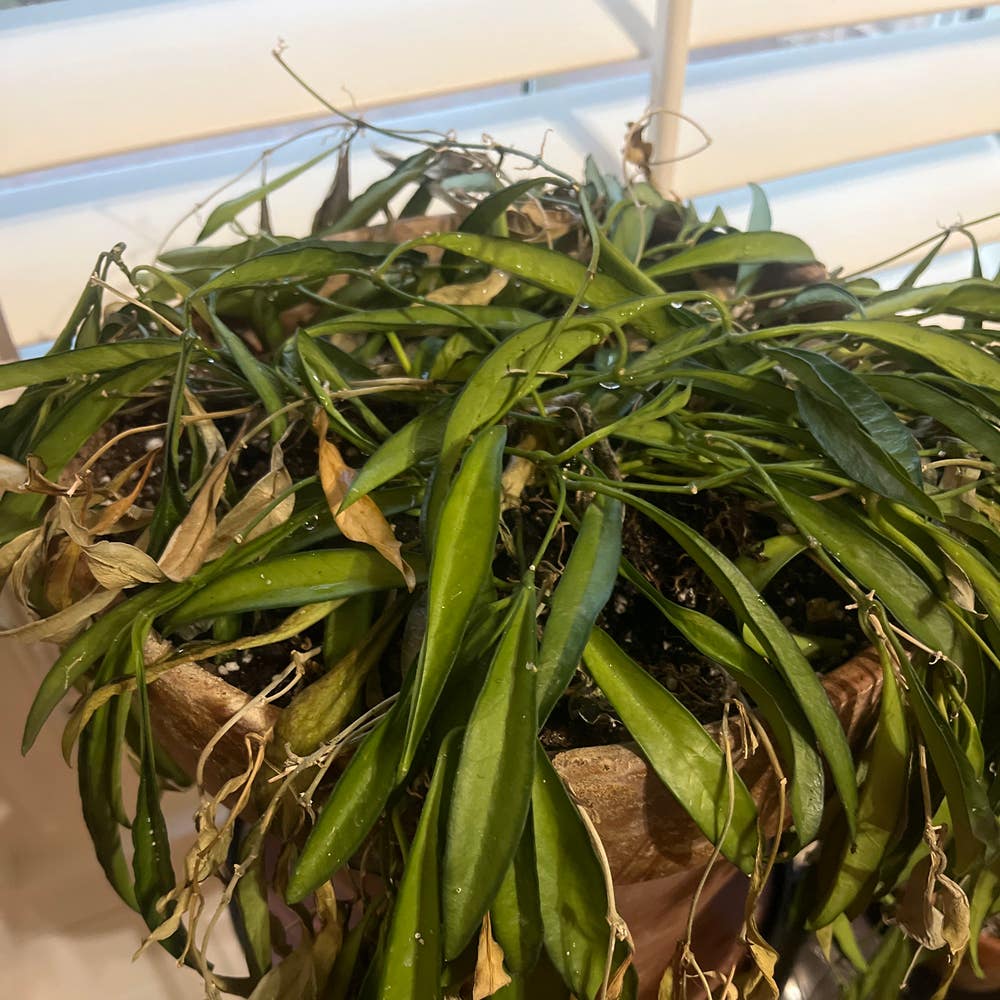
Watch for symptoms of poor drainage, such as yellowing leaves, wilting, and root rot. These signs indicate that your Hoya may be struggling with excess moisture.
To address drainage issues, start by ensuring your pot has adequate drainage holes. Additionally, use well-draining potting soil specifically formulated for Hoya plants.
If problems persist, consider repotting your plant into a pot with better drainage. This simple step can make a significant difference in your plant's health and vitality.
With proper drainage in place, your Hoya Wayetii will flourish, setting the stage for the next important aspect: repotting.
Repotting Hoya Wayetii
🕒 When to Repot
Repotting your Hoya Wayetii is essential for its health and growth. Look for signs like roots growing out of drainage holes, soil that’s depleted of nutrients or compacted, and stunted growth despite your best care.
📝 Step-by-Step Guide to Repotting
Follow these steps for a successful repotting experience:
- Choose the right time: Early spring is ideal for repotting.
- Prepare the new pot: Ensure it has drainage holes and is 1-2 inches larger in diameter than the current pot.
- Remove the plant: Gently loosen the root ball and take it out of the old pot.
- Inspect the roots: Trim any dead or rotting roots using sterilized scissors.
- Add potting soil: Fill the new pot with fresh, well-draining soil.
- Position the plant: Place the Hoya in the center and fill in around the sides with soil.
- Water thoroughly: Ensure the soil is moist but not waterlogged.
🪴 Choosing the Right Pot
Selecting the right pot is crucial for your plant's growth stage. Always consider the size needed for its current stage and choose materials that fit your environment and care routine. For instance, clay pots work well in humid areas, while plastic pots are better for drier conditions.
By following these guidelines, you can ensure your Hoya Wayetii thrives in its new home. Proper repotting not only supports its growth but also enhances its overall health, setting the stage for beautiful blooms in the future.
Impact of Pot Choice on Health
Moisture Retention 🌧️
When it comes to moisture retention, pot material plays a crucial role. Clay pots are known for their porous nature, allowing them to dry out faster than plastic pots, which can retain moisture longer.
Understanding how different materials manage moisture is essential for preventing overwatering. If you notice your Hoya Wayetii struggling, it might be time to evaluate your pot choice.
Nutrient Availability 🌱
The size of the pot directly impacts nutrient availability for your plant. Larger pots can hold more soil, which means more nutrients for your Hoya to absorb.
Conversely, smaller pots may require more frequent fertilization due to their limited soil volume. Keeping an eye on nutrient levels can help ensure your plant thrives.
Long-Term Health Considerations 🏥
Choosing the right pot is vital for the long-term health of your Hoya Wayetii. A well-selected pot can lead to healthier plants, promoting better growth and flowering potential.
Regularly assessing pot conditions is key as your plant matures. Adjustments may be necessary to keep your Hoya happy and thriving.
In summary, pot choice significantly influences moisture retention, nutrient availability, and overall health. As you continue caring for your Hoya, remember that the right pot can make all the difference in its growth journey.
Next, let’s explore the essential considerations for repotting your Hoya Wayetii.
⚠️ Safety First
This content is for general information and may contain errors, omissions, or outdated details. It is not medical, veterinary advice, or an endorsement of therapeutic claims.
Always consult a qualified healthcare professional before using any plant as food, medicine, or supplement.
Never eat any plant (or feed one to pets) without confirming its identity with at least two trusted sources.
If you suspect poisoning, call Poison Control (800) 222-1222, the Pet Poison Helpline (800) 213-6680, or your local emergency service immediately.
Spotted an error? Please report it here.
Give your Hoya Wayetii the perfect pot 🪴 for thriving growth and blooms by using Greg's tailored reminders and expert tips to keep your plant happy and healthy!