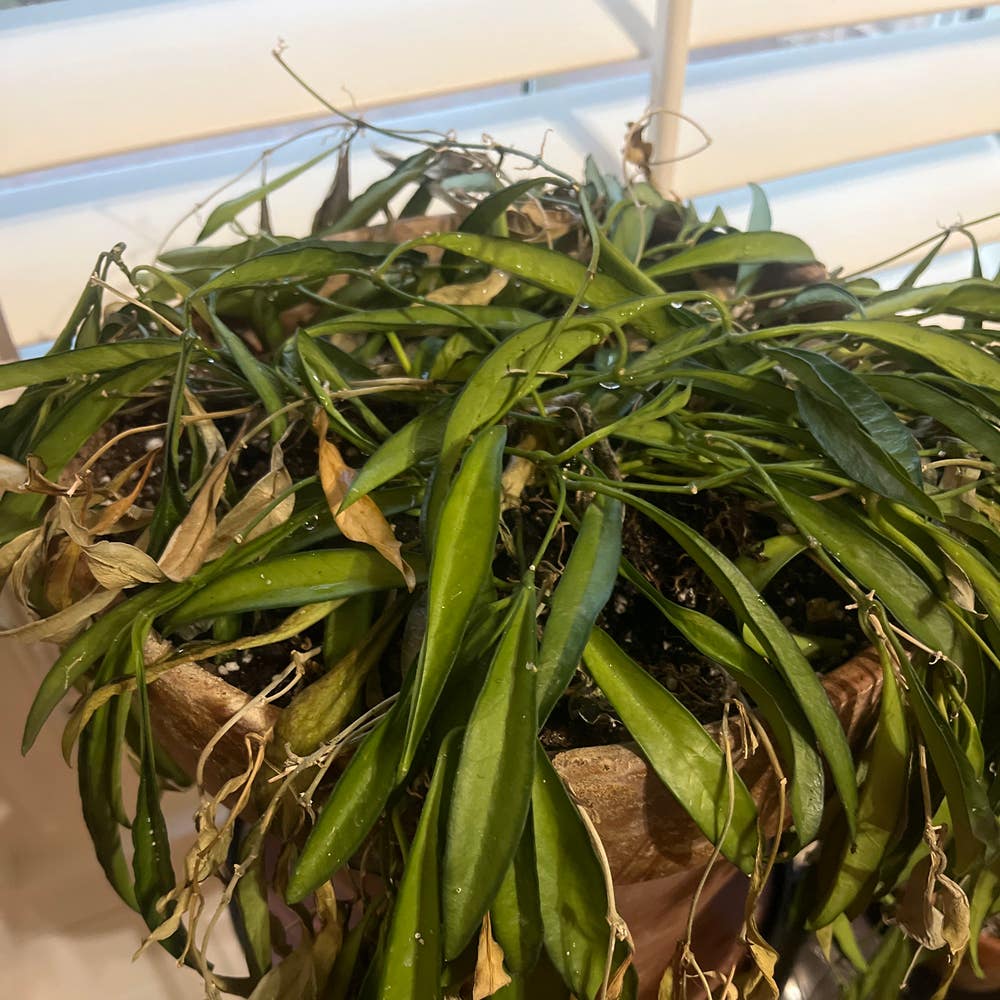
Best Tips for Blooming Hoya Wayetii 🌸
Hoya wayetii
By the Greg Editorial Team
Nov 07, 2024•6 min read
This article was created with the help of AI so we can cover more plants for you. May contain errors. See one? Report it here.
- 🌼 Hoya Wayetii blooms beautifully with proper light, humidity, and care.
- ⏳ Patience is key; blooms may take years to appear.
- 🌱 Balanced fertilization and watering enhance blooming potential significantly.
Flowering Status
Clarification on Flowering Status 🌸
Hoya Wayetii is indeed capable of producing beautiful flowers when provided with the right conditions. However, many enthusiasts find that flowering can be quite rare, often due to various inhibiting factors.
Reasons for Non-Flowering 🚫
Several environmental factors can hinder blooming. Insufficient light, low humidity, or nutrient deficiencies can all play a role in preventing flowers from forming.
Plant maturity is another crucial aspect. Hoya Wayetii may take several years to reach the age where it can bloom, so patience is key.
Care practices also significantly impact flowering potential. Improper watering or fertilization can lead to stress, which may inhibit the plant's ability to produce flowers.
Understanding these factors can help you create an environment where your Hoya Wayetii can thrive and potentially reward you with its stunning blooms. As we explore the characteristics of its flowers, you'll see just how special they can be.
If Hoya Wayetii Flowers
🌸 Flower Characteristics
Description of Flower Colors and Structure
Hoya Wayetii produces stunning flowers that typically showcase colors ranging from white to cream, often with a delicate pinkish hue. These star-shaped blooms are arranged in clusters and possess a waxy texture, making them visually striking and appealing.
The unique features of these flowers attract various pollinators, thanks to their pleasant scent and vibrant appearance. This combination not only enhances the plant's beauty but also plays a crucial role in its reproduction.
Self-Pollination vs. External Pollination
When it comes to pollination, Hoya Wayetii can utilize both self-pollination and external pollinators. While it has the ability to self-pollinate, the presence of external pollinators can enhance the chances of successful fertilization.
Understanding these methods can help you appreciate the plant's adaptability and resilience in different environments.
🌼 Blooming Process
Stages of Blooming
The blooming process of Hoya Wayetii unfolds in several stages, starting from bud formation to the eventual full bloom. Initially, you’ll notice small buds developing, which gradually grow and mature into beautiful flowers.
As the flower spikes emerge, they create an eye-catching display that signals the plant's readiness to bloom. This transformation is a delightful sight for any plant enthusiast.
Typical Bloom Time and Duration
Hoya Wayetii typically blooms during the warmer months, with an average bloom season that can vary based on environmental conditions. From the time buds form to when they fully open, expect a duration of about 2 to 3 months.
Once the flowers are in full bloom, they can last for approximately 1 to 2 weeks, providing a lovely display that brightens any space.
🌱 Encouraging Blooms
Tips for Promoting Flowering
To encourage your Hoya Wayetii to bloom, ensure it receives optimal light conditions, ideally bright, indirect light. Maintaining specific humidity levels is also crucial, as these plants thrive in a humid environment.
Additionally, using balanced fertilizers during the growing season can significantly boost blooming potential. These practices create the perfect conditions for your plant to flourish.
Factors Influencing Blooms
Several environmental factors can influence the blooming of Hoya Wayetii. Temperature, light, and humidity all play vital roles in the plant's ability to produce flowers.
Moreover, your care routine, including watering frequency and soil quality, can impact blooming success. Paying attention to these elements can help you achieve a vibrant flowering display.
🌿 Post-Flowering
What Happens After Flowering
After the flowering period, Hoya Wayetii may exhibit some changes in behavior. The plant often enters a resting phase, during which it conserves energy for future growth.
To encourage re-blooming, continue to provide proper care and maintain optimal conditions. This will set the stage for another round of beautiful flowers.
Does Hoya Wayetii Die After Flowering?
It's a common misconception that Hoya Wayetii dies after flowering. In reality, this resilient plant does not perish post-blooming; instead, it continues to thrive and can produce new flowers in subsequent seasons.
Understanding this aspect of its life cycle can help you appreciate the longevity and enduring beauty of Hoya Wayetii.
If Hoya Wayetii Doesn't Flower
🌿 Primary Ornamental Features
Even if Hoya Wayetii doesn't bloom, its lush, waxy leaves are a stunning feature. The thick, glossy foliage adds a vibrant green touch to any space, making it an attractive houseplant year-round.
The leaves themselves are heart-shaped and can grow quite large, creating a full and lush appearance. This foliage is not just beautiful; it also plays a crucial role in the plant's overall health and vitality.
🌱 Reproduction Methods Without Flowers
When Hoya Wayetii isn't flowering, you can still propagate it through vegetative reproduction. Stem cuttings are a popular method, allowing you to create new plants from healthy stems.
To propagate, simply cut a healthy stem just below a node and place it in water or soil. With proper care, these cuttings can develop roots and grow into new plants, ensuring your collection continues to thrive even without blooms.
In summary, while the absence of flowers might seem disappointing, Hoya Wayetii offers plenty of beauty through its foliage and opportunities for propagation. This adaptability makes it a rewarding plant to care for, whether it flowers or not.
As we explore the unique aspects of Hoya Wayetii, you'll discover even more about its fascinating characteristics and care requirements.
Unique Aspects
🌸 Unusual Characteristics Related to Flowering or Non-Flowering
Hoya Wayetii stands out among its Hoya relatives due to its unique growth habits and adaptability. Unlike many Hoyas that bloom readily, Hoya Wayetii can be a bit elusive, often requiring specific conditions to produce its stunning flowers.
This species is known for its lush, waxy leaves that remain visually appealing even when flowers are absent. Its ability to thrive in various environments makes it a favorite among plant enthusiasts, as it can adapt to different light and humidity levels.
🤓 Interesting Facts or Trivia
Did you know that Hoya Wayetii is sometimes referred to as the "Wax Plant"? This nickname comes from the glossy, waxy texture of its leaves, which not only look beautiful but also help the plant retain moisture.
Historically, Hoyas have been cherished for their ornamental value and are often associated with good luck. In some cultures, they are believed to bring prosperity and happiness to their owners. Whether blooming or not, Hoya Wayetii continues to captivate plant lovers with its charm and resilience.
In terms of care, this plant is relatively low-maintenance, making it an excellent choice for both novice and experienced gardeners. Its ability to propagate through stem cuttings adds to its appeal, allowing enthusiasts to share their love for this unique species.
As you explore the world of Hoya Wayetii, remember that every plant has its quirks and charms, making the journey of care and cultivation all the more rewarding.
⚠️ Safety First
This content is for general information and may contain errors, omissions, or outdated details. It is not medical, veterinary advice, or an endorsement of therapeutic claims.
Always consult a qualified healthcare professional before using any plant as food, medicine, or supplement.
Never eat any plant (or feed one to pets) without confirming its identity with at least two trusted sources.
If you suspect poisoning, call Poison Control (800) 222-1222, the Pet Poison Helpline (800) 213-6680, or your local emergency service immediately.
Spotted an error? Please report it here.
Create the perfect environment for your Hoya Wayetii to bloom beautifully 🌼 with Greg's tailored care tips and reminders that ensure your plant thrives!