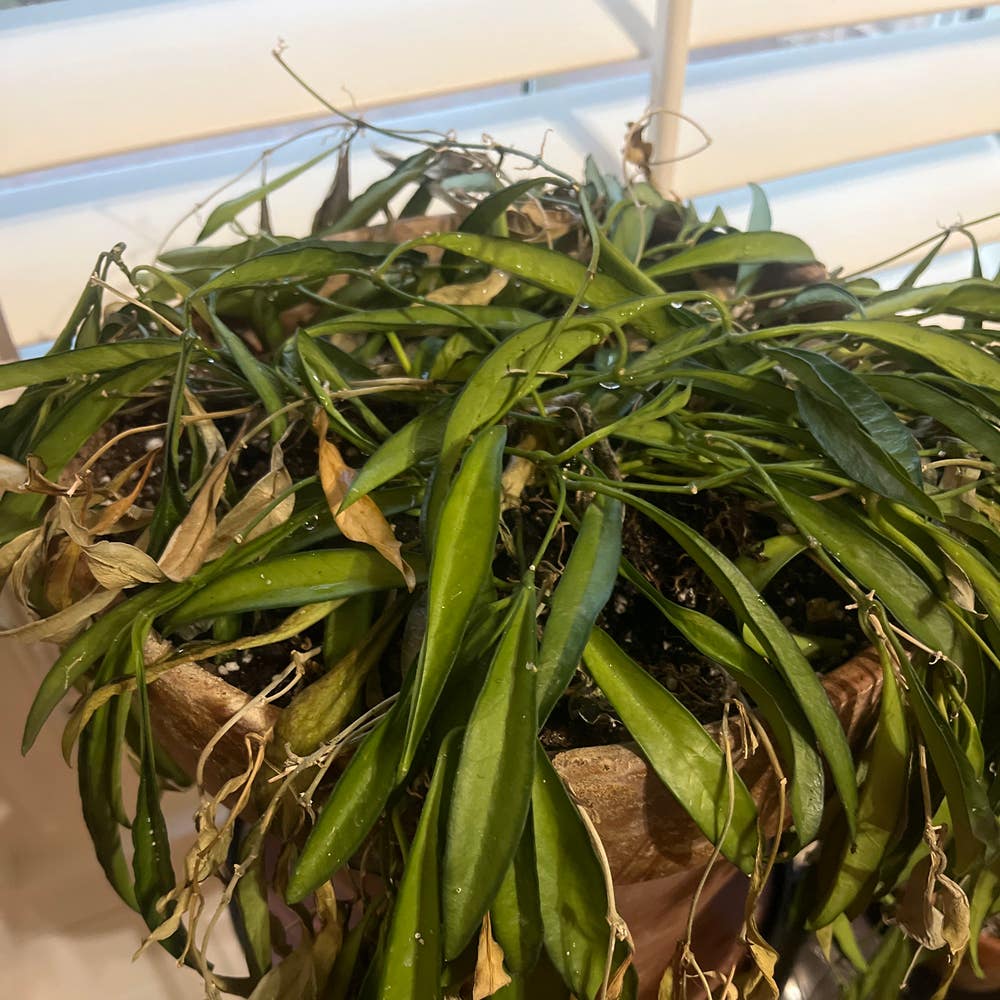
Hoya Wayetii: Not an Invasive Plant
Hoya wayetii
By the Greg Editorial Team
Nov 07, 2024•6 min read
This article was created with the help of AI so we can cover more plants for you. May contain errors. See one? Report it here.
- 🌱 Hoya Wayetii is non-invasive, making it safe for local ecosystems and gardens.
- 🌼 Its slow growth and drought resilience ensure easy management and low maintenance.
- 🐝 Attracts pollinators while supporting biodiversity, enhancing your garden's ecological health.
Plant Classification
🌱 Definition of Invasive Species
Invasive species are plants or animals that spread rapidly and disrupt local ecosystems. They often outcompete native flora, leading to a decline in biodiversity and negatively impacting the environment.
Key characteristics of invasive species include:
- Rapid growth and spread: They can quickly dominate an area.
- Displacement of native flora: They often replace local plants, reducing biodiversity.
- Negative impact on local ecosystems: Their presence can alter habitats and harm wildlife.
🌿 Hoya Wayetii's Non-Invasive Nature
Hoya Wayetii stands out as a non-invasive plant, making it a great choice for gardeners. Its slow growth rate allows for easy management, ensuring it won't take over your garden.
- Limited spread potential: This plant does not aggressively propagate, which means it won’t compete fiercely with native species.
- Adaptability: Hoya Wayetii thrives in specific conditions, such as well-draining soil and bright indirect light. These preferences help limit its uncontrolled spread, making it a responsible choice for sustainable gardening.
By understanding these characteristics, gardeners can appreciate Hoya Wayetii's role in promoting a balanced ecosystem. This plant not only beautifies spaces but also supports local biodiversity without the risks associated with invasive species.
As we explore its growth habits next, you'll see how its unique traits contribute to its appeal in various garden settings.
Growth Habits
🌱 Typical Growth Patterns
Hoya Wayetii is a climbing vine that adds a unique touch to any garden. Its versatility allows it to shine in hanging baskets or as a climbing plant, making it a favorite among gardeners.
The plant features glossy, waxy leaves that not only look stunning but also help it retain moisture. This characteristic contributes significantly to its drought resilience, making it a low-maintenance option for busy plant lovers.
🚧 Natural Limits to Growth
One of the standout features of Hoya Wayetii is its slow growth rate. This manageable pace means it won't overrun your garden, allowing for easy maintenance and control.
In terms of environmental preferences, Hoya Wayetii thrives in well-draining soil and bright, indirect light. These specific conditions not only support its growth but also limit its spread, ensuring it remains a non-invasive choice for your landscape.
With its unique growth habits and adaptability, Hoya Wayetii is an excellent addition to any garden. Next, we’ll explore its ecological role and the benefits it brings to gardens and ecosystems.
Ecological Role
🌼 Benefits in Gardens and Ecosystems
Hoya Wayetii is more than just a pretty face in your garden; its fragrant flowers are a magnet for pollinators like bees and butterflies. This attraction not only enhances the beauty of your space but also boosts biodiversity, creating a vibrant ecosystem.
Additionally, Hoya Wayetii supports local wildlife by providing essential habitat and food sources for beneficial insects. This symbiotic relationship fosters a thriving garden environment, making it a valuable addition to any landscape.
🤝 Positive Interactions
When it comes to companion planting, Hoya Wayetii shines. It can coexist harmoniously with various plants, promoting a healthy garden ecosystem that benefits all species involved.
Moreover, the growth of Hoya Wayetii contributes to soil health. Its roots help improve soil structure and fertility, ensuring that your garden remains lush and productive. This plant not only beautifies your space but also plays a crucial role in maintaining ecological balance.
Incorporating Hoya Wayetii into your garden design is a step toward fostering a more sustainable and biodiverse environment. Its positive interactions with other plants and wildlife make it a standout choice for any gardener looking to enhance their green space.
As we explore the next section, we'll delve into effective garden management strategies to maximize the benefits of Hoya Wayetii in your landscape.
Garden Management
Incorporation into Garden Designs 🌿
Hoya Wayetii is a versatile plant that can enhance your garden's visual appeal. Consider using it in hanging baskets, on trellises, or as ground cover to create stunning displays.
When planting, ensure proper spacing between plants. This allows for adequate air circulation and light penetration, which are crucial for healthy growth.
Controlling Growth for Aesthetics ✂️
To maintain the desired shape and size of your Hoya Wayetii, regular pruning is essential. This not only keeps the plant looking tidy but also encourages bushier growth.
Keep an eye on its growth patterns to prevent overcrowding. Monitoring will help you manage its spread effectively, ensuring it remains a beautiful addition to your garden without overwhelming other plants.
Incorporating Hoya Wayetii into your garden design can lead to a thriving, aesthetically pleasing environment. Its manageable growth and adaptability make it a fantastic choice for both novice and experienced gardeners.
Comparison to Other Plants
🌿 Similar Non-Invasive Plants
Hoya Wayetii shares similarities with other non-invasive tropical houseplants like Hoya carnosa and Hoya pubicalyx. All three plants are known for their manageable growth patterns and ability to thrive in similar environmental conditions.
However, Hoya Wayetii stands out with its unique climbing habits and specific leaf characteristics. Its waxy leaves not only enhance its drought resilience but also contribute to its aesthetic appeal in various garden settings.
🌼 Unique Qualities in a Garden Setting
One of the most appealing aspects of Hoya Wayetii is its versatility in garden design. Whether used in hanging baskets, as a climbing plant on trellises, or even as ground cover, it adds visual interest and texture to any space.
Additionally, Hoya Wayetii's drought resilience makes it a sustainable choice for gardeners. It requires less frequent watering compared to many other tropical plants, making it an excellent option for those looking to conserve water while still enjoying vibrant greenery.
Incorporating Hoya Wayetii into your garden not only enhances its beauty but also supports responsible gardening practices. As we explore the legal and environmental considerations next, we’ll see how this plant fits into the broader context of sustainable gardening.
Legal and Environmental Considerations
📜 Classifications and Guidelines
When considering Hoya Wayetii for your garden, it's essential to be aware of local regulations. Some regions may have specific guidelines regarding the planting and cultivation of non-native species, but Hoya Wayetii is generally recognized as a non-invasive plant.
This classification supports responsible gardening practices, ensuring that your gardening efforts contribute positively to the local ecosystem. By choosing Hoya Wayetii, you can enjoy its beauty without the worry of it overpowering native flora.
🌱 Role in Sustainable Gardening
Hoya Wayetii shines in sustainable gardening due to its remarkable drought tolerance. This characteristic not only conserves water but also makes it an ideal choice for gardeners looking to reduce their environmental footprint.
Moreover, this plant plays a vital role in enhancing biodiversity. Its fragrant flowers attract pollinators like bees and butterflies, fostering a vibrant ecosystem. By incorporating Hoya Wayetii into your garden, you’re not just beautifying your space; you’re also supporting local wildlife and promoting a healthier environment.
In summary, Hoya Wayetii is a fantastic addition to any garden, aligning with sustainable practices and enhancing biodiversity. As we move forward, let’s explore how to effectively manage this beautiful plant in your garden.
⚠️ Safety First
This content is for general information and may contain errors, omissions, or outdated details. It is not medical, veterinary advice, or an endorsement of therapeutic claims.
Always consult a qualified healthcare professional before using any plant as food, medicine, or supplement.
Never eat any plant (or feed one to pets) without confirming its identity with at least two trusted sources.
If you suspect poisoning, call Poison Control (800) 222-1222, the Pet Poison Helpline (800) 213-6680, or your local emergency service immediately.
Spotted an error? Please report it here.
Discover the charming Hoya Wayetii 🌿, a non-invasive gem that enhances your garden's biodiversity, and let Greg help you thrive with tailored care tips for this low-maintenance beauty!