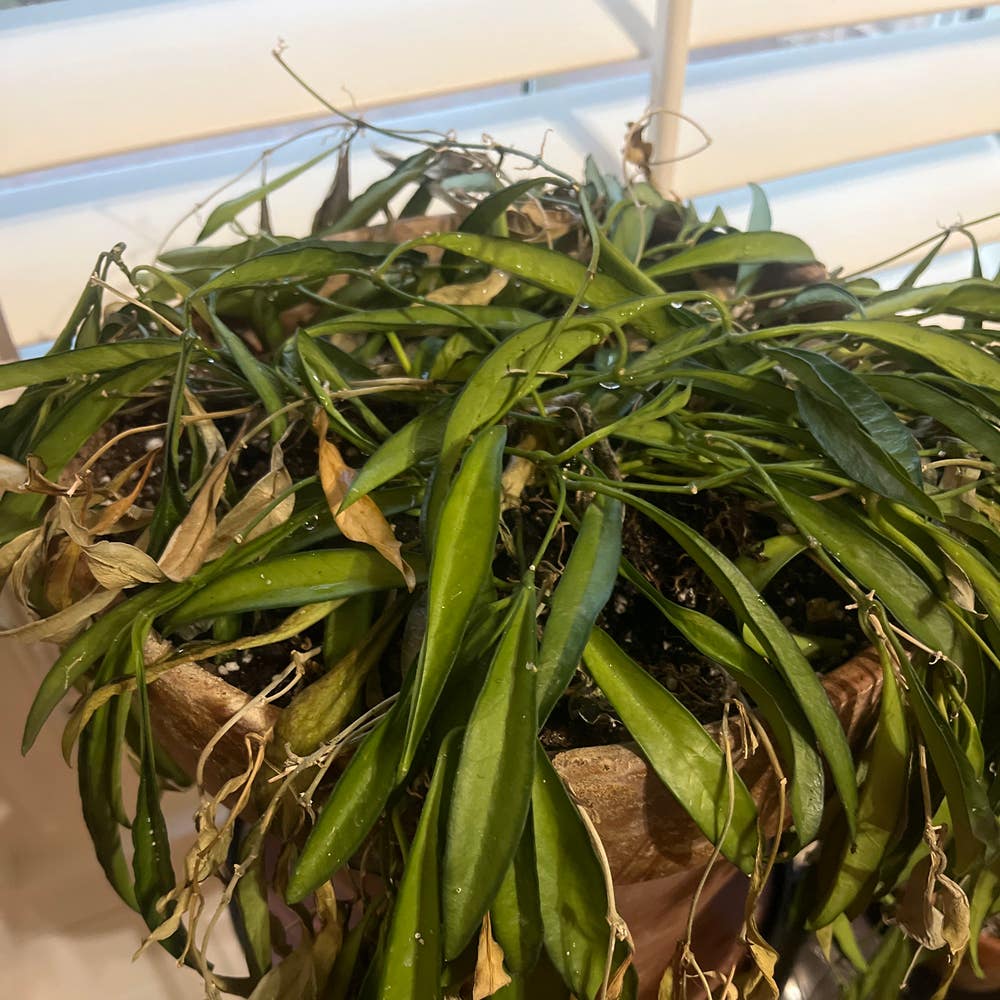
5 Tips for Healing Black Spots on Your Hoya Wayetii 🩹
Hoya wayetii
By the Greg Editorial Team
Nov 07, 2024•6 min read
This article was created with the help of AI so we can cover more plants for you. May contain errors. See one? Report it here.
- 🌞 Bright, indirect light prevents leaf burn; avoid direct sunlight for Hoya Wayetii.
- 💧 Humidity levels of 60-80% are essential for healthy Hoya Wayetii growth.
- 🐛 Early pest detection is crucial; mealybugs and spider mites cause black spots.
Diagnosing the Problem
🌤️ Assessing Environmental Conditions
To keep your Hoya Wayetii thriving, start by ensuring it receives bright, indirect light. This plant loves to bask in the sun but can suffer from leaf burn if exposed to harsh direct rays.
Humidity is another critical factor. Aim for a range of 60-80% to mimic its natural tropical habitat. This level of moisture helps prevent stress and promotes healthy growth.
Temperature also plays a vital role in your plant's well-being. Ideally, maintain a cozy environment between 18°C to 24°C (65°F to 75°F). Extreme fluctuations can lead to stress and black spots on leaves.
🐛 Checking for Pests and Their Impact on Leaf Health
Next, let's talk pests. Mealybugs and spider mites are common culprits that can wreak havoc on your Hoya Wayetii. Identifying these pests early is crucial for preventing further damage.
Look for signs of infestation, such as webbing, sticky residue, or the pests themselves clinging to leaves. These indicators can lead to black spots and overall decline in plant health if not addressed promptly.
💧 Evaluating Watering Practices and Soil Conditions
Watering practices are essential for your plant's health. Hoya Wayetii prefers a watering schedule that allows the soil to dry out between waterings. This prevents root rot and keeps the plant happy.
Soil type matters too. Use well-draining soil to avoid waterlogged conditions that can lead to black spots. If you notice yellowing leaves, mushy stems, or signs of root rot, it’s time to reassess your watering habits.
By diagnosing these key areas—environmental conditions, pests, and watering practices—you can take the first steps toward restoring your Hoya Wayetii to its vibrant self. Next, let’s explore effective treatment options to tackle those pesky black spots.
Treatment Options
Step-by-Step Guide to Treating Black Spots 🌱
Identify the cause: Start by assessing environmental conditions, checking for pests, and evaluating your watering practices. Understanding the root of the problem is crucial for effective treatment.
Remove affected leaves: Prune any leaves showing black spots to prevent the issue from spreading. Use clean, sharp scissors to make clean cuts, promoting better healing.
Adjust watering schedule: Ensure you allow the soil to dry out adequately between waterings. Overwatering can exacerbate black spots, so monitor moisture levels closely.
Improve drainage: If drainage is an issue, consider repotting your Hoya Wayetii or amending the soil with materials like perlite. This will help prevent water from pooling and causing further damage.
Recommended Fungicides and Treatments 🧪
Chemical treatments: Look for fungicides specifically formulated for Hoya Wayetii. Products containing copper or sulfur can be effective against fungal infections.
Application methods: Apply fungicides according to the manufacturer's instructions. Ensure even coverage on affected areas for the best results.
Timing: The best times to treat your plant are during the early morning or late afternoon. This helps avoid direct sunlight, which can cause the treatment to evaporate too quickly.
Natural Remedies for Black Spots 🌿
Homemade solutions: Consider using natural fungicides like a baking soda spray. Mix one tablespoon of baking soda with a gallon of water and a few drops of dish soap for an effective treatment.
Application frequency: Apply natural treatments every 7-14 days until the black spots diminish. Consistency is key to seeing improvement.
Benefits of natural remedies: These solutions are less harmful to your plant and the environment. They can help maintain a healthy ecosystem while treating your Hoya Wayetii.
With these treatment options, you can effectively tackle black spots and promote the health of your Hoya Wayetii. Next, let’s explore preventive measures to keep your plant thriving long-term.
Preventive Measures
🌱 Best Practices for Hoya Wayetii Care
Maintaining a regular watering schedule is crucial for your Hoya Wayetii. Consistency helps monitor soil moisture and prevents both overwatering and underwatering.
Providing ideal lighting conditions is equally important. Ensure your plant receives bright, indirect light to reduce stress and promote healthy growth.
Humidity management plays a key role in your plant's well-being. Consider using humidity trays or misting to maintain optimal humidity levels, ideally between 60-80%.
💧 Importance of Proper Watering and Drainage
Effective watering techniques can make all the difference. Water your Hoya Wayetii thoroughly, allowing the top inch of soil to dry out before the next watering.
Soil amendments can significantly improve drainage. Incorporate materials like perlite or orchid bark to create a well-draining mix that supports healthy root development.
🔍 Regular Inspection and Maintenance Tips
Routine checks are essential for early detection of black spots. Inspect your plant's leaves weekly to catch any issues before they escalate.
Cleaning leaves is often overlooked but vital for plant health. Dusting off leaves enhances photosynthesis and keeps your Hoya Wayetii thriving.
Seasonal adjustments are necessary to adapt to changing conditions. Modify your care practices based on the season to ensure your plant receives the best possible environment year-round.
By implementing these preventive measures, you can keep your Hoya Wayetii healthy and vibrant. This proactive approach sets the stage for the long-term health of your plant, which we will explore next.
Long-term Health of Hoya Wayetii
🌱 Nutritional Needs and Fertilization Tips
To keep your Hoya Wayetii thriving, understanding its nutritional needs is crucial. Use fertilizers with an NPK ratio of 10-10-10 or 20-20-20 during the growing season for optimal growth.
Fertilize every 4-6 weeks from spring to early fall. This regular feeding helps your plant absorb essential nutrients, promoting lush foliage and vibrant blooms.
Watch for signs of nutrient deficiency, such as yellowing leaves or stunted growth. If you notice these symptoms, adjust your fertilization routine accordingly to restore your plant's health.
🪴 Importance of Repotting and Soil Health
Repotting your Hoya Wayetii every 1-2 years is essential for its long-term health. This practice refreshes the soil and provides more space for root growth.
Keep an eye out for signs of soil depletion, like poor drainage or compacted soil. If you notice these issues, consider refreshing the soil with fresh potting mix or repotting into a slightly larger container.
🌞 Seasonal Care Adjustments
Adjusting light exposure is vital as seasons change. In winter, ensure your Hoya receives adequate light by moving it closer to a window, while in summer, provide some shade to prevent leaf burn.
Temperature is another factor to consider. Protect your plant from extreme fluctuations by keeping it in a stable environment, ideally between 18°C to 24°C (65°F to 75°F).
Lastly, humidity control is key year-round. Use humidity trays or mist your plant regularly to maintain optimal levels, especially during dry winter months. This will help your Hoya Wayetii stay healthy and vibrant throughout the year.
As you focus on these long-term care strategies, your Hoya Wayetii will flourish, setting the stage for a beautiful, thriving plant. Next, let’s explore preventive measures to keep your plant in top shape.
⚠️ Safety First
This content is for general information and may contain errors, omissions, or outdated details. It is not medical, veterinary advice, or an endorsement of therapeutic claims.
Always consult a qualified healthcare professional before using any plant as food, medicine, or supplement.
Never eat any plant (or feed one to pets) without confirming its identity with at least two trusted sources.
If you suspect poisoning, call Poison Control (800) 222-1222, the Pet Poison Helpline (800) 213-6680, or your local emergency service immediately.
Spotted an error? Please report it here.
Heal those black spots and keep your Hoya Wayetii thriving 🌿 with Greg's tailored care reminders and expert tips that ensure your plant gets the perfect environment it craves!