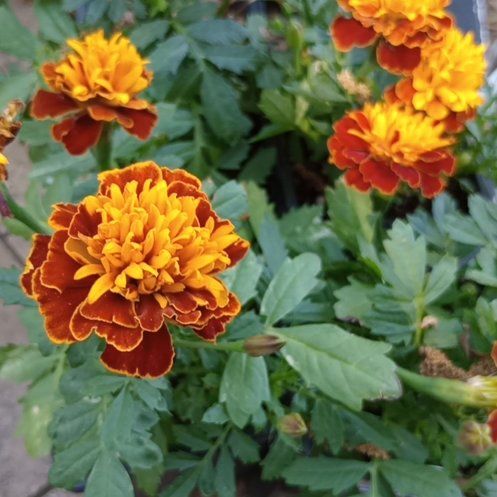
π Identifying What is Eating Your French Marigold
Tagetes patula
By the Greg Editorial Team
Aug 24, 2024•7 min read
This article was created with the help of AI so we can cover more plants for you. May contain errors. See one? Report it here.
Safeguard your French marigolds from pesky herbivores πΏ with these smart strategies for a thriving garden!
- π French marigolds attract various herbivores like deer, rabbits, and squirrels.
- π« Effective deterrents include fences, netting, and companion planting for protection.
- πΌ Monitoring seasonal changes helps implement timely strategies for marigold safety.
Common Herbivores Affecting French Marigold
π¦ Deer
Signs of presence
Look for hoof prints in soft soil and chewed leaves or broken stems. These signs indicate that deer are browsing in your garden.
Type of damage
Deer can significantly reduce plant vigor by chewing leaves and breaking stems. This damage can stunt growth and lead to a less robust marigold.
Beneficial or harmful interaction
Interactions with deer are generally harmful. They can decimate marigold populations quickly.
Deterrent methods
To deter deer, consider installing 8-foot tall fences to prevent access. You can also use commercial deer repellents or homemade solutions like garlic spray.
π Rabbits
Signs of presence
Rabbits leave small, round droppings near plants and often nibble the edges of leaves. These signs can help you identify their presence.
Type of damage
Grazing by rabbits can lead to stunted growth in young marigolds. Their feeding habits can severely impact your plants.
Beneficial or harmful interaction
Rabbits are generally harmful to marigolds. They can cause significant damage, especially to young plants.
Deterrent methods
Using netting around your plants can create protective barriers against rabbits. Additionally, applying bitter sprays can create taste aversion, deterring them from feeding.
πΏοΈ Squirrels
Signs of presence
Look for disturbed soil around the base of plants and chewed stems or leaves. These signs indicate squirrel activity.
Type of damage
Squirrels can uproot plants and nibble on stems, disrupting plant establishment. This can lead to weakened marigolds.
Beneficial or harmful interaction
Interactions with squirrels are generally harmful. Their activities can hinder the growth of your marigolds.
Deterrent methods
Employ scare tactics like noise makers or reflective objects to keep squirrels at bay. Physical barriers can also prevent their access to your plants.
π¦ Birds
Signs of presence
Peck marks on flowers and seeds are clear indicators of bird activity. Nests nearby or frequent visits can also signal their presence.
Type of damage
Birds can eat seeds and flowers, leading to reduced blooms. This can significantly affect the aesthetic appeal of your marigolds.
Beneficial or harmful interaction
Birds can be both beneficial and harmful. While they help control pests, they can also damage your blooms.
Deterrent methods
Covering plants with netting can protect them from pecking. Hanging shiny objects can also deter birds from frequenting your garden.
π Rodents (Mice, Voles)
Signs of presence
Look for small burrows or pathways in the soil, along with dark droppings near plants. These signs indicate rodent activity.
Type of damage
Rodents can cause root damage and chew on stems, leading to plant decline. This can be detrimental to your marigolds.
Beneficial or harmful interaction
Rodents are generally harmful to marigolds. Their feeding habits can cause significant damage.
Deterrent methods
Setting traps around the garden can help manage rodent populations. Encouraging natural predators like owls or hawks can also be effective.
𦑠Groundhogs/Woodchucks
Signs of presence
Look for large burrows near plants and noticeable bite marks on stems and leaves. These signs indicate groundhog activity.
Type of damage
Groundhogs can cause extensive grazing, leading to severe plant loss. Their feeding can devastate marigold patches.
Beneficial or harmful interaction
Interactions with groundhogs are generally harmful. They can quickly ruin your marigold garden.
Deterrent methods
Burying fencing underground can prevent groundhogs from burrowing into your garden. Additionally, using strong-smelling substances can act as effective repellents.
Understanding these common herbivores and their interactions with French marigolds is crucial for maintaining a healthy garden. By employing effective deterrent methods, you can protect your marigolds and ensure they thrive. Next, letβs explore the beneficial animals that are attracted to French marigolds.
Beneficial Animals Attracted to French Marigold
Pollinators π
French marigolds are a magnet for various pollinators, including bees, butterflies, and hummingbirds. These creatures play a crucial role in enhancing garden biodiversity and productivity, ensuring your marigoldsβand other plantsβthrive.
Role of Beneficial Insects π
In addition to pollinators, beneficial insects like ladybugs and lacewings are drawn to marigolds. They serve as natural pest control, helping to keep harmful insect populations in check.
Importance of Maintaining a Balanced Ecosystem π
Encouraging these beneficial species is vital for maintaining a balanced ecosystem in your garden. By attracting the right animals, you not only protect your marigolds but also promote overall plant health and resilience.
Incorporating these beneficial animals into your gardening strategy can lead to a flourishing environment, setting the stage for the next section on general protection strategies for your French marigolds.
General Protection Strategies for French Marigold
π‘οΈ Preventive Measures for Herbivore Damage
Companion planting is a powerful strategy to protect your French marigolds. By planting marigolds alongside other crops, you can naturally repel pests that threaten your garden.
Strategic placement is equally important. Situate your marigolds away from known herbivore paths to minimize the risk of damage.
β οΈ Reactive Solutions for Managing Animal Interactions
When you notice signs of herbivore damage, an immediate response is crucial. Assess the situation and implement deterrents to protect your plants.
Long-term strategies involve ongoing monitoring and adapting your methods as needed. This proactive approach ensures your marigolds remain healthy and vibrant.
π± Maintaining a Balanced Garden Ecosystem
Encouraging beneficial species while managing harmful ones is key to a thriving garden. Attracting pollinators and natural pest controllers can enhance your marigold's resilience.
Biodiversity plays a vital role in plant health. A balanced ecosystem not only supports your marigolds but also enriches your entire garden.
With these strategies in place, you can create a flourishing environment for your French marigolds, ensuring they thrive despite potential threats. Next, letβs explore seasonal considerations that affect herbivore attraction.
Seasonal Considerations for Herbivore Attraction
πΎ Seasonal Variations in Animal Attraction
As spring arrives, young shoots of French marigold become a magnet for herbivores. The tender leaves are irresistible to many garden pests, making this season critical for plant protection.
In summer, the activity ramps up. Herbivores are on the hunt for food, increasing their visits to your marigolds. This heightened interest can lead to significant damage if not managed promptly.
β° Timing of Plant Vulnerability
During the early growth stages, marigolds are particularly vulnerable. Young plants lack the resilience of their mature counterparts, making them easy targets for hungry animals.
By late summer, the situation can worsen. As natural food sources dwindle, herbivores may intensify their feeding on marigolds, leading to potential devastation if proactive measures aren't taken.
Understanding these seasonal patterns is essential for safeguarding your marigolds. By anticipating herbivore behavior, you can implement effective strategies to protect your plants throughout the growing season.
Toxic Effects of French Marigold on Animals
β οΈ Potential Toxic Effects
French marigolds possess mild toxicity, particularly in their leaves and stems. This characteristic can deter some herbivores, making them less appealing to certain animals.
π¦ Implications for Herbivore Interactions
Interestingly, the mild toxicity may attract less sensitive species that are unfazed by these compounds. This dynamic can lead to a unique balance in your garden, where some animals avoid marigolds while others thrive.
π§© Understanding Herbivore Interactions
It's essential to understand the dual nature of animal interactions with marigolds. While these flowers can protect themselves through toxicity, they also play a role in the broader ecosystem.
βοΈ Balancing Plant Protection with Ecological Roles
Encouraging beneficial species while managing harmful ones is key. Recognizing how marigolds fit into the food web can help you maintain a healthy garden environment.
In summary, French marigolds not only serve as a beautiful addition to your garden but also contribute to a complex interplay of plant and animal relationships. As you cultivate your marigolds, consider how their unique properties can enhance your garden's biodiversity.
β οΈ Safety First
This content is for general information and may contain errors, omissions, or outdated details. It is not medical, veterinary advice, or an endorsement of therapeutic claims.
Always consult a qualified healthcare professional before using any plant as food, medicine, or supplement.
Never eat any plant (or feed one to pets) without confirming its identity with at least two trusted sources.
If you suspect poisoning, call Poison Control (800) 222-1222, the Pet Poison Helpline (800) 213-6680, or your local emergency service immediately.
Spotted an error? Please report it here.