🌼 French Marigold is Not an Invasive Plant
Tagetes patula
By the Greg Editorial Team
Aug 24, 2024•6 min read
This article was created with the help of AI so we can cover more plants for you. May contain errors. See one? Report it here.
Transform your garden with French Marigolds 🌼—a beautiful choice that nurtures ecosystems without the invasive risks!
- 🌼 French Marigolds enhance ecosystems without being invasive, promoting biodiversity in gardens.
- 🌞 They thrive in full sun and well-drained soil, limiting aggressive growth potential.
- 🐝 Attract beneficial insects like bees, supporting local wildlife and natural pest management.
Plant Classification
Definition of Invasive Species 🌱
Invasive species are plants that exhibit certain characteristics making them problematic in new environments. They typically grow and spread rapidly, displacing native species and negatively impacting local ecosystems.
These plants can dominate landscapes, outcompeting local flora for resources. This displacement can lead to a decline in biodiversity, which is crucial for healthy ecosystems.
Why French Marigold is Not Invasive 🌼
French Marigold, on the other hand, has limited spread potential. Its short life cycle and seasonal growth patterns mean it doesn’t linger long enough to become a nuisance.
Additionally, French Marigold prefers well-drained soil and full sun, which restricts its habitat. Unlike invasive species, it does not dominate or outcompete native plants, making it a friendly addition to gardens.
This unique combination of traits ensures that French Marigold contributes positively to garden ecosystems without the risks associated with invasive plants. As we explore its growth habits next, you’ll see how these characteristics play a role in its overall garden performance.
Growth Habits
🌱 Typical Growth Patterns in Gardens
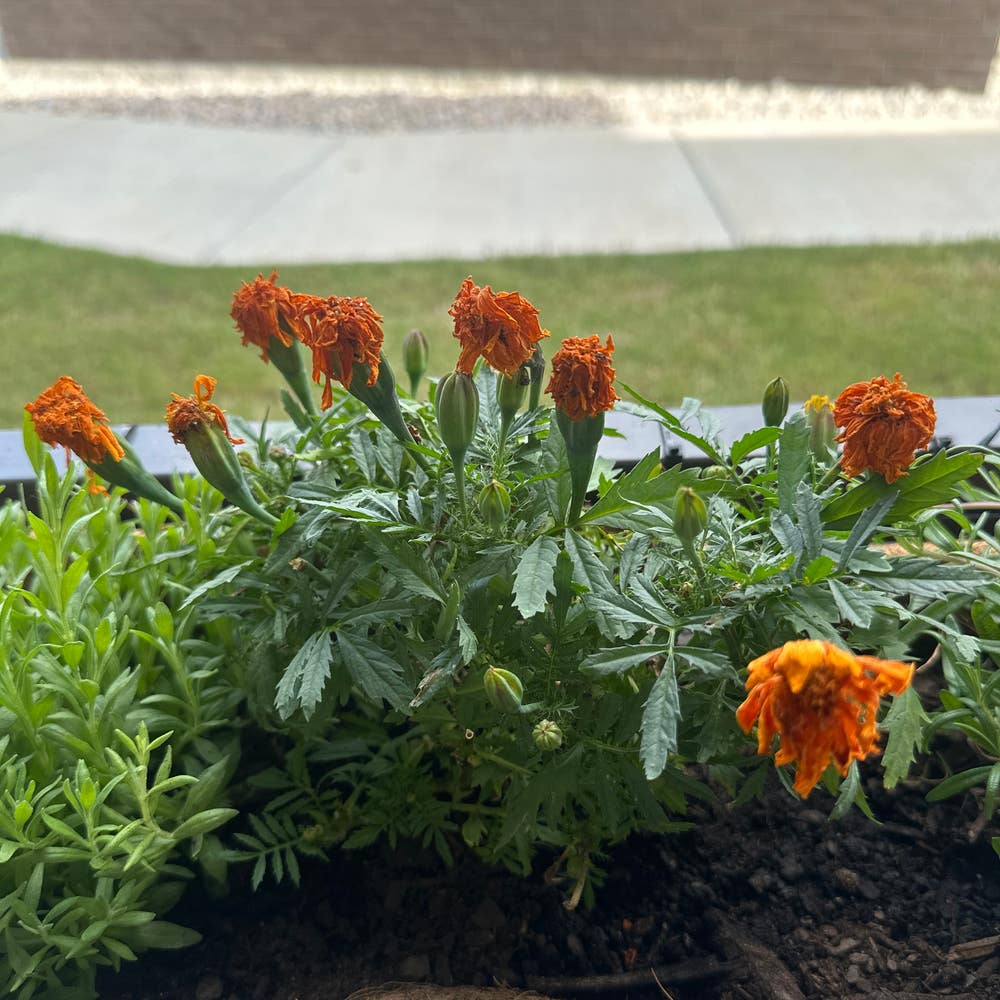
French Marigolds are known for their bushy and compact growth habit, making them perfect for borders and container gardens. They bloom vibrantly from late spring until frost, adding a splash of color to any garden.
🌍 Natural Limits to Growth and Spread Potential
These plants thrive in well-drained soil and full sun, which naturally limits their spread. Their seed dispersal mechanisms and specific environmental preferences keep them from becoming overly aggressive.
📅 Seasonal Growth Cycles
In spring, French Marigolds germinate and begin their early growth. Summer marks their peak blooming period, while fall brings seed production and dormancy, preparing them for the next cycle.
With their manageable growth habits and seasonal cycles, French Marigolds are an excellent choice for gardeners looking to enhance their spaces without the worry of invasiveness. Next, let’s explore their ecological role and the benefits they bring to local ecosystems.
Ecological Role
🌼 Benefits to Local Ecosystems
French Marigolds play a vital role in enhancing local ecosystems. They attract beneficial insects, including essential pollinators like bees and butterflies, which are crucial for plant reproduction.
These vibrant flowers also boost biodiversity in garden settings. By providing food and habitat, they create a thriving environment for various species.
🐝 Positive Interactions with Pollinators and Wildlife
The nectar-rich flowers of French Marigolds are a magnet for pollinators. This not only supports their populations but also ensures that your garden remains lively and productive.
Additionally, these plants offer shelter for beneficial insects. This natural habitat encourages a balanced ecosystem, promoting healthy garden dynamics.
🐞 Role in Pest Management
French Marigolds are known for their natural pest deterrent properties. They are particularly effective against nematodes and aphids, making them a gardener's ally.
Moreover, they thrive in companion planting scenarios. Pairing them with vegetables and herbs can enhance growth and reduce pest issues, creating a harmonious garden environment.
Incorporating French Marigolds into your garden not only beautifies the space but also contributes positively to the ecosystem. Their ecological benefits make them a smart choice for sustainable gardening practices.
Garden Management
Effective Incorporation into Garden Designs 🌼
French Marigolds are versatile and can enhance various garden designs. Consider using them in borders, mixed beds, or container gardens for a vibrant touch.
Pairing them with other flowering plants can create stunning color combinations. Their bright hues complement a variety of blooms, making your garden visually appealing.
Aesthetic Considerations for Planting 🎨
When planting French Marigolds, aim for a spacing of 6-12 inches apart. This allows for optimal growth and air circulation, ensuring healthy plants.
Additionally, explore the seasonal color variations among marigold varieties. This diversity can add depth and interest to your garden throughout the year.
Maintenance and Care Tips 🧑🌾
French Marigolds have moderate watering needs. Allow the soil to dry between waterings to prevent root rot and promote healthy growth.
During the growing season, use a balanced fertilizer to nourish your plants. This simple step can significantly enhance their blooming potential.
Controlling Growth for Practical Reasons ✂️
To maintain a bushy shape, consider pruning your French Marigolds regularly. This encourages denser growth and a more attractive appearance.
Deadheading spent blooms is another effective technique. This not only prolongs the blooming period but also keeps your garden looking tidy and vibrant.
Incorporating these management strategies will ensure your French Marigolds thrive, enhancing both the beauty and health of your garden. Next, let’s explore how these plants compare to others in the garden.
Comparison to Other Plants
🌼 Similar Non-Invasive Plants
When considering non-invasive plants for your garden, Zinnias, Cosmos, and Snapdragons are excellent choices. These flowers share characteristics like vibrant colors and adaptability, making them perfect companions for French Marigold.
🌟 Unique Qualities of French Marigold
French Marigold stands out with its distinctive pest-repelling properties. Its variety of colors and sizes adds visual interest, allowing for creative garden designs.
🌱 Benefits of Choosing French Marigold Over Other Plants
Opting for French Marigold enhances versatility in garden settings. Additionally, it contributes to sustainable gardening practices, promoting a healthier ecosystem.
Incorporating these plants not only beautifies your space but also supports local wildlife and biodiversity. As you plan your garden, consider how these elements can work together for a thriving environment.
Legal and Environmental Considerations
Relevant Classifications and Guidelines 🌱
When planting in your garden, it's crucial to be aware of local regulations regarding non-invasive species. Many regions encourage the selection of native and non-invasive plants to support biodiversity and protect local ecosystems.
Sustainable Gardening Practices ♻️
Incorporating French Marigold into permaculture designs can significantly enhance your garden's sustainability. This plant not only thrives in various conditions but also supports soil health through companion planting, helping to deter pests naturally.
Environmental Impact of Planting French Marigold 🌼
Planting French Marigold contributes positively to local ecosystems by attracting beneficial insects. These vibrant flowers promote wildlife-friendly gardens, creating habitats that support pollinators and enhance biodiversity.
By choosing French Marigold, you're not just beautifying your space; you're also making a conscious choice for the environment. This plant's role in sustainable gardening practices makes it a fantastic addition to any garden, paving the way for a greener future.
Next, let’s explore how to effectively incorporate French Marigold into your garden designs for maximum impact.
⚠️ Safety First
This content is for general information and may contain errors, omissions, or outdated details. It is not medical, veterinary advice, or an endorsement of therapeutic claims.
Always consult a qualified healthcare professional before using any plant as food, medicine, or supplement.
Never eat any plant (or feed one to pets) without confirming its identity with at least two trusted sources.
If you suspect poisoning, call Poison Control (800) 222-1222, the Pet Poison Helpline (800) 213-6680, or your local emergency service immediately.
Spotted an error? Please report it here.
Enhance your garden with vibrant French Marigolds 🌼 that support local ecosystems, and let Greg provide tailored care reminders to keep your blooms thriving all season long!