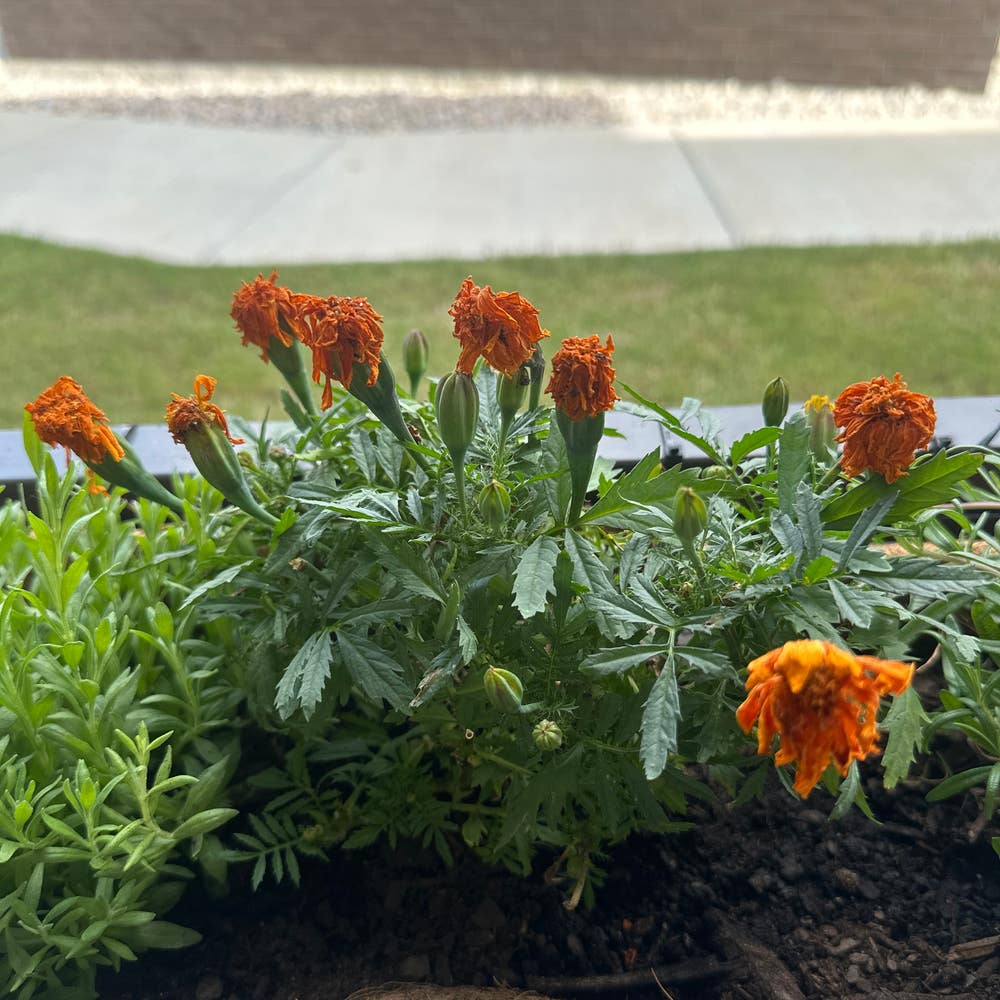
🌼 Everything You Need to Know to Grow French Marigold
Tagetes patula
By the Greg Editorial Team
Aug 24, 2024•6 min read
This article was created with the help of AI so we can cover more plants for you. May contain errors. See one? Report it here.
Cultivate a vibrant garden with thriving French marigolds by mastering essential care techniques! 🌼
- ☀️ French marigolds need 6+ hours of sunlight daily for optimal growth.
- 🌡️ Ideal temperature for marigolds is 20°C to 30°C (68°F to 86°F).
- 🌱 Use well-draining soil with pH 6.0-7.0 for best results.
Choosing the Right Location
🌞 Sunlight Requirements
French marigolds thrive in full sun, requiring a minimum of 6 hours of direct sunlight daily. Insufficient sunlight can lead to leggy growth and fewer blooms, so pick a spot that basks in the sun.
🌡️ Ideal Temperature Range
For optimal growth, aim for temperatures between 20°C to 30°C (68°F to 86°F). These vibrant flowers are sensitive to frost, making it crucial to plant them only after the last frost date to ensure a healthy start.
Choosing the right location sets the stage for a flourishing garden. Next, let’s dive into soil preparation to give your marigolds the best foundation.
Soil Preparation
Soil Type and pH 🌱
To grow vibrant French marigolds, start with well-draining, loamy soil. This type of soil not only supports healthy root development but also helps prevent waterlogging.
The ideal pH range for marigolds is between 6.0 and 7.0. Testing your soil's pH can ensure your plants thrive and produce those stunning blooms.
Amendments and Nutrients Needed 🌿
Incorporating organic matter is crucial for enriching your soil. Compost or well-rotted manure can boost nutrient levels and improve soil structure.
Before planting, apply a balanced NPK fertilizer. This will provide essential nutrients, setting your marigolds up for a successful growing season.
With the right soil preparation, you're laying a solid foundation for your marigolds. Next, let's explore effective planting techniques to ensure your flowers flourish.
Planting Techniques
🌱 Seed Starting Indoors vs. Direct Sowing Outdoors
Starting your French marigold seeds indoors can give you a head start. Aim to begin 6-8 weeks before the last frost date for the best results.
Alternatively, you can directly sow seeds outdoors after the last frost. This method is straightforward and allows the plants to acclimate naturally to their environment.
📏 Spacing and Depth for Planting
When planting, ensure you bury the seeds about 1/4 inch deep. For optimal air circulation, space your seeds 10-12 inches apart.
This spacing helps prevent overcrowding, allowing each plant to thrive and flourish.
🪴 Container Gardening Tips
If you're opting for container gardening, choose a pot that's at least 12 inches in diameter. This size provides ample room for root development.
For the soil mix, use potting soil enriched with perlite to enhance drainage. This combination ensures your marigolds receive the right moisture without becoming waterlogged.
With these planting techniques, you're well on your way to cultivating vibrant French marigolds. Next, let’s explore how to care for them through proper watering and fertilizing.
Watering and Fertilizing
Watering Frequency and Techniques 🌊
French marigolds thrive with a consistent watering schedule. Aim to water them once a week, but increase frequency during hot spells to keep them hydrated.
Deep watering is key; it encourages roots to grow deeper into the soil. This not only strengthens the plant but also helps it withstand dry conditions.
Best Fertilizers 🌱
Choosing the right fertilizer can make a significant difference in your marigold's growth. Slow-release granular fertilizers or liquid options work well to provide essential nutrients.
Apply fertilizer at planting and again mid-season for optimal results. This ensures your marigolds have the nutrients they need to flourish throughout their growing season.
Signs of Overwatering or Underwatering 🚰
Monitoring your marigolds for signs of distress is crucial. Overwatering can lead to yellowing leaves and root rot, which can quickly kill your plants.
On the flip side, underwatering shows up as wilting and dry leaf edges. Keeping an eye on these signs will help you maintain the health of your marigolds.
As you nurture your marigolds, remember that consistent care leads to vibrant blooms. Next, let’s explore the essential pruning and maintenance techniques to keep your plants thriving.
Pruning and Maintenance
✂️ When and How to Prune
Pruning your French marigolds is essential for their health and appearance. Aim to do this in early spring, focusing on shaping the plants and removing any dead growth.
Use clean, sharp scissors for precise cuts. This helps prevent disease and encourages new growth.
🌼 Deadheading Techniques for Continuous Blooms
Deadheading is a simple yet effective way to promote more blooms. By pinching off spent flowers just above the first set of leaves, you encourage the plant to produce new flowers.
This practice not only keeps your marigolds looking tidy but also extends their blooming period.
📅 Seasonal Care Routines
Your marigolds will thrive with a seasonal care routine. In spring, focus on fertilizing and planting to give them a strong start.
During summer, maintain a regular watering schedule and continue deadheading to keep those blooms coming. As fall approaches, prepare for frost and tackle end-of-season cleanup to ensure a healthy garden for next year.
With these pruning and maintenance tips, your French marigolds will flourish beautifully throughout the growing season. Next, let’s explore common challenges and solutions to keep your garden thriving.
Common Challenges and Solutions
🐛 Identifying and Managing Pests
Pests can be a gardener's worst nightmare, but knowing how to identify and manage them can save your French marigolds.
Common Pests
Aphids are tiny, soft-bodied insects that cluster on new growth. Look for curled leaves or sticky residue; control them with insecticidal soap or by introducing beneficial insects like ladybugs.
Spider mites are even smaller and can cause fine webbing on leaves. If you notice yellowing leaves, increase humidity and treat with miticides or neem oil to keep them at bay.
🦠 Common Diseases
Diseases can also threaten your marigolds, but early detection is key.
Powdery mildew appears as a white, powdery coating on leaves. To prevent it, ensure good air circulation and avoid overhead watering. If it appears, remove affected leaves and apply fungicides as needed.
Root rot is often caused by overwatering and poor drainage. Ensure your soil is well-draining and allow the top inch to dry out between waterings to prevent this issue.
🛡️ Tips for Preventing and Treating Issues
Prevention is always better than cure when it comes to gardening.
Crop rotation and companion planting can significantly reduce pest and disease issues. For instance, planting marigolds alongside vegetables can deter pests naturally.
Regular monitoring is crucial. Check your plants weekly for any signs of trouble, and act quickly if you notice anything unusual. Early intervention can save your marigolds from serious damage.
With these strategies, you can tackle common challenges and keep your French marigolds thriving. Next, let’s explore the essential pruning and maintenance techniques to ensure your plants remain healthy and vibrant.
⚠️ Safety First
This content is for general information and may contain errors, omissions, or outdated details. It is not medical, veterinary advice, or an endorsement of therapeutic claims.
Always consult a qualified healthcare professional before using any plant as food, medicine, or supplement.
Never eat any plant (or feed one to pets) without confirming its identity with at least two trusted sources.
If you suspect poisoning, call Poison Control (800) 222-1222, the Pet Poison Helpline (800) 213-6680, or your local emergency service immediately.
Spotted an error? Please report it here.
Grow vibrant French marigolds 🌼 with Greg's personalized care reminders and expert tips tailored to your unique growing conditions!