🌼 Top 10 Signs Your French Marigold Has Flower Problems
Tagetes patula
By the Greg Editorial Team
Aug 24, 2024•6 min read
This article was created with the help of AI so we can cover more plants for you. May contain errors. See one? Report it here.
Transform your garden with vibrant French marigold blooms 🌼 by mastering the art of troubleshooting flowering issues!
- 🌼 Lack of light and nutrients can prevent French marigolds from blooming effectively.
- 💧 Overwatering leads to root rot, harming health and flower production.
- 🐛 Regular pest checks are essential to avoid stress and flower drop in marigolds.
Signs of Failure to Bloom
🌱 Identifying the Issue
If your French marigold isn't blooming, it can be frustrating. Look for signs like a lack of flower buds, where healthy foliage exists but no visible buds are forming.
You might also notice stunted growth; these plants can appear short and bushy with minimal flowering. Lastly, delayed blooming is another red flag, where flowers show up later than expected in the bloom cycle.
🔍 Potential Causes
One common culprit is insufficient light exposure. French marigolds thrive in full sun, needing 6 to 8 hours of sunlight daily to flourish.
Another issue could be a nutrient deficiency. A lack of phosphorus and potassium can significantly affect bloom production.
Lastly, overwatering can lead to root rot, which severely impacts plant health and flowering.
🛠️ Solutions
To tackle these problems, start by adjusting light conditions. Move your plants to sunnier spots to ensure they get enough light.
Next, consider fertilization. Using a balanced fertilizer with higher phosphorus content can help boost bloom production.
Finally, pay attention to your watering practices. Ensure the soil is well-drained and avoid waterlogging to keep your marigolds healthy and blooming.
With these adjustments, your French marigolds should be on their way to vibrant blooms. Let's explore the next section on causes of premature flower drop to keep your garden thriving!
Causes of Premature Flower Drop
Identifying Symptoms 🌼
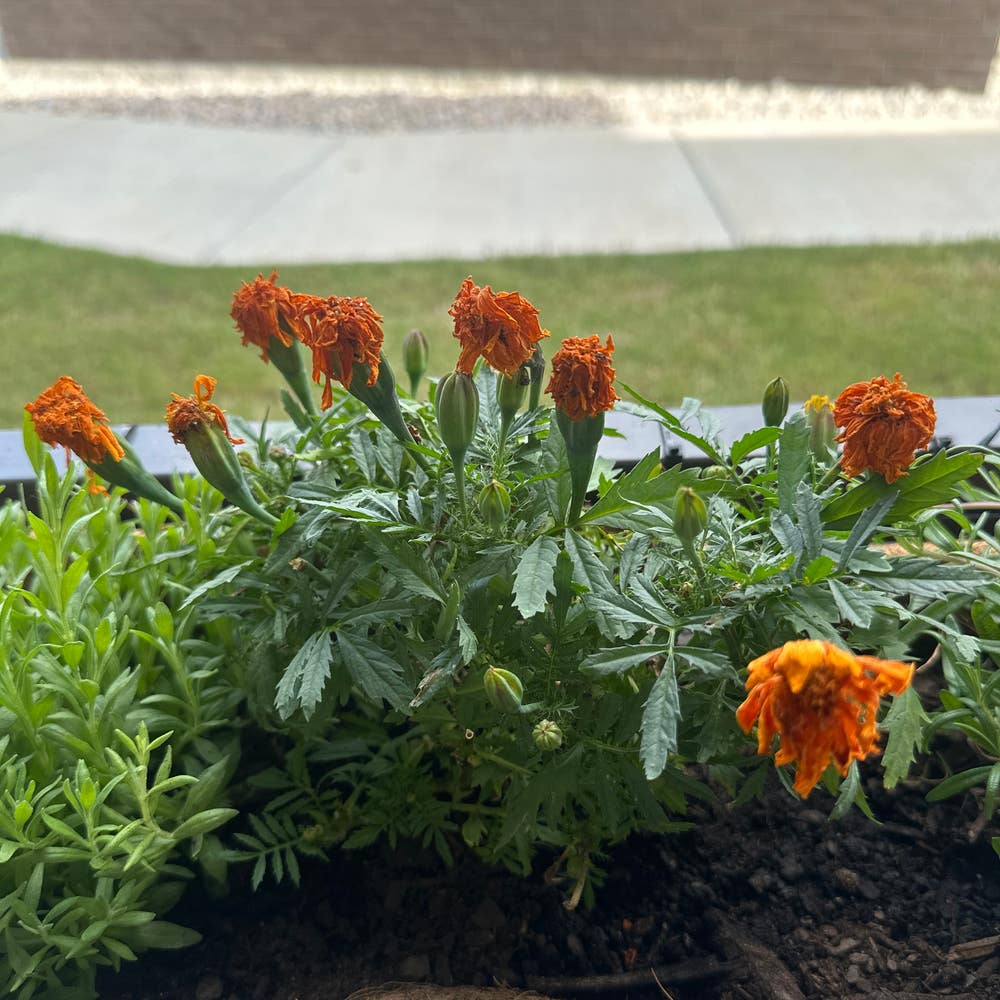
One of the first signs of trouble is when flowers drop before they fully bloom. If you notice buds falling off without opening, it’s a clear indicator that something is amiss.
Yellowing leaves can also signal stress or nutrient issues. Keep an eye out for these symptoms to catch problems early.
Potential Causes 🌪️
Environmental stress is a major culprit. Temperature fluctuations or extreme heat can shock your marigolds, leading to premature flower drop.
Another issue could be a nutrient imbalance. Excess nitrogen often results in lush foliage but fewer flowers, which can be frustrating for any gardener.
Pest infestations, particularly from aphids or spider mites, can also cause significant stress. These pests can wreak havoc on your plants, leading to flower drop.
Solutions 🛠️
To combat environmental stress, consider providing shade during extreme heat. This simple adjustment can help your marigolds thrive.
Balanced fertilization is key. Using a fertilizer with lower nitrogen can help redirect energy towards blooming rather than foliage growth.
Lastly, regular pest management is essential. Conduct inspections and treat infestations with insecticidal soap to keep your plants healthy and blooming.
By addressing these issues, you can help ensure your French marigolds flourish and produce beautiful blooms. Now, let’s explore how environmental factors can further impact flowering.
Environmental Factors Affecting Flowering
🌞 Importance of Light Exposure
French Marigolds thrive in full sun, requiring at least 6 to 8 hours of direct sunlight daily. Without this, you may notice your plants stretching toward light sources or displaying pale foliage, both signs of inadequate light.
🍽️ Nutritional Needs for Optimal Flowering
Key nutrients like phosphorus and potassium are vital for robust flower production. If your marigolds show yellowing leaves or fail to develop flowers, it may indicate a nutrient deficiency that needs addressing.
🌱 Soil Conditions and Their Impact on Blooms
Well-drained soil is crucial to prevent root rot, which can severely hinder flowering. Additionally, maintaining a soil pH between 6.0 and 7.0 creates an ideal environment for your French Marigolds to flourish.
Understanding these environmental factors can significantly enhance your marigold's blooming potential. Next, let’s explore pest and disease issues that can also impact flower development.
Pest and Disease Issues
Common Pests Affecting Flower Development 🐞
Pests can wreak havoc on your French marigolds, leading to disappointing blooms. Aphids are tiny, soft-bodied insects that cluster on new growth, sucking sap and causing leaves to curl. Look for sticky residue or black sooty mold as signs of their presence.
Spider mites are another culprit. These minuscule pests create fine webs and cause stippling on leaves. If you notice yellowing or speckled foliage, it’s time to investigate.
Diseases That Cause Bud Drop 🦠
Fungal infections can be particularly damaging. Root rot is a common issue, often resulting from overwatering. It can lead to wilting and poor flowering, as the roots struggle to absorb nutrients.
Viral diseases can also affect your marigolds. Symptoms include mottled leaves and stunted growth. Prevention is key, as these diseases can spread quickly.
Solutions for Pest and Disease Management 🛠️
Implementing integrated pest management is essential. This approach combines cultural, biological, and chemical controls to keep your plants healthy. Regularly inspect your marigolds to catch any issues early.
Regular monitoring is crucial for early detection. By checking your plants frequently, you can address problems before they escalate. Keeping your marigolds healthy ensures vibrant blooms and a flourishing garden.
As you tackle pests and diseases, remember that a proactive approach will lead to healthier plants and more beautiful flowers. Next, let’s explore how pruning and maintenance techniques can further enhance your marigold blooms.
Pruning and Maintenance Techniques
🌼 How Pruning Affects Flowering
Pruning plays a crucial role in promoting new growth and encouraging blooms in your French Marigolds. By cutting back old or spent flowers, you stimulate the plant to produce fresh buds, enhancing its overall flowering potential.
Look for signs that indicate when to prune. If your marigolds appear leggy or have faded blooms, it’s time to take action.
✂️ Best Practices for Deadheading
Effective deadheading is essential for maintaining vibrant blooms. This involves removing spent flowers before they set seed, which redirects the plant's energy toward producing new flowers.
The best times to deadhead are early in the morning or late in the afternoon. This timing minimizes stress on the plant and maximizes its blooming potential.
⏰ Timing of Pruning for Optimal Blooms
Seasonal pruning is key for different varieties of French Marigolds. Generally, light pruning can be done throughout the growing season, while more significant cuts are best reserved for early spring.
Understanding the impact of pruning on the bloom cycle is vital. Pruning too late in the season can reduce flowering, so aim to prune at the right time for maximum effect.
By following these pruning and maintenance techniques, you can ensure your French Marigolds thrive and produce an abundance of beautiful flowers. Next, let’s explore the environmental factors that can affect flowering.
⚠️ Safety First
This content is for general information and may contain errors, omissions, or outdated details. It is not medical, veterinary advice, or an endorsement of therapeutic claims.
Always consult a qualified healthcare professional before using any plant as food, medicine, or supplement.
Never eat any plant (or feed one to pets) without confirming its identity with at least two trusted sources.
If you suspect poisoning, call Poison Control (800) 222-1222, the Pet Poison Helpline (800) 213-6680, or your local emergency service immediately.
Spotted an error? Please report it here.
Boost your French marigold blooms 🌼 by using Greg's personalized care reminders to tackle nutrient issues and environmental stress for vibrant flowers all season long!