☀️ 6 Essential Outdoor French Marigold Care Routines
Tagetes patula
By the Greg Editorial Team
Aug 24, 2024•6 min read
This article was created with the help of AI so we can cover more plants for you. May contain errors. See one? Report it here.
Cultivate stunning French marigolds 🌼 with essential care tips for every season and climate! 🌱
- ☀️ French marigolds need 6-8 hours of sunlight for optimal growth and blooming.
- 💧 Water weekly, adjusting for yellowing or wilting leaves to prevent stress.
- 🌱 Use well-draining soil and mulch to retain moisture and enhance growth.
Sunlight Requirements
Ideal Sunlight Exposure 🌞
French marigolds thrive in full sun, needing at least 6-8 hours of direct sunlight daily. This ample sunlight not only encourages vibrant blooms but also supports robust growth.
Effects of Insufficient Sunlight 🌥️
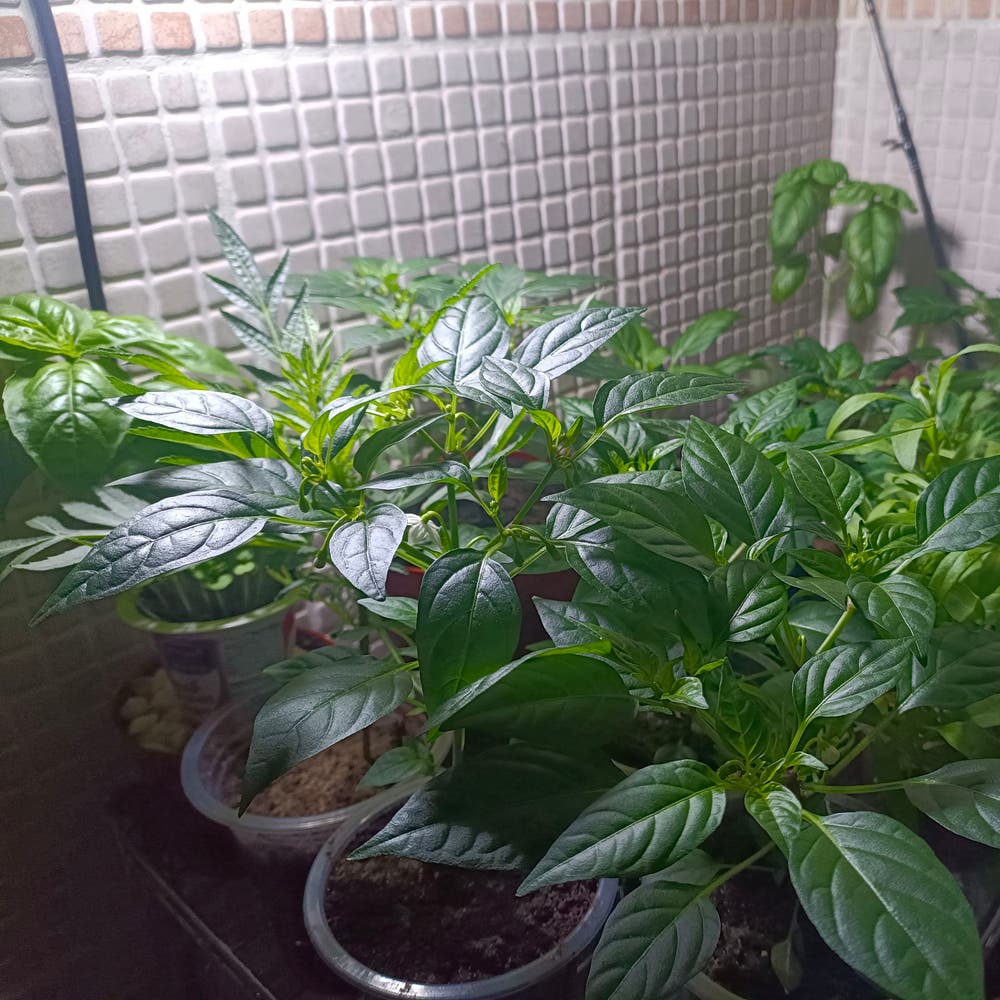
When these plants don’t get enough light, you might notice stunted growth, leggy stems, and fewer flowers. If you see these signs, consider relocating your marigolds to a sunnier spot or using supplemental lighting for container plants.
By ensuring your marigolds receive the right amount of sunlight, you set the stage for a flourishing garden. Next, let’s dive into their watering needs to keep them thriving.
Watering Needs
General Watering Guidelines 🌊
Water your French marigolds once a week, allowing the soil to dry out between waterings. This routine helps maintain consistent moisture, preventing stress and promoting healthy growth.
Signs of Overwatering and Underwatering 🚨
Watch for yellowing leaves, which can indicate overwatering and potential root rot. Conversely, if you notice wilting or dry leaves, your plants may be underwatered and in need of immediate hydration.
Watering Techniques 💧
To ensure your marigolds thrive, water at the base of the plant. This method prevents wetting the foliage, reducing the risk of fungal diseases.
Additionally, consider using mulch around your marigolds. Mulch helps retain soil moisture and regulates temperature, creating a more stable environment for your plants.
With these watering practices in place, your marigolds will flourish, setting the stage for vibrant blooms and robust growth. Next, let’s explore the ideal soil preferences for these beautiful flowers.
Soil Preferences
Ideal Soil Conditions 🌱
French marigolds thrive in well-draining soil, ideally sandy or loamy. This type of soil allows excess water to escape, preventing root rot and other issues.
Maintaining a soil pH between 6.0 and 7.0 is crucial. This slightly acidic to neutral range supports optimal nutrient availability for your plants.
Tolerance to Poor Soil 🌾
While French marigolds can adapt to less-than-ideal soil conditions, they truly shine in enriched soil. Providing them with nutrient-rich environments leads to more vibrant blooms and healthier growth.
Soil Preparation Techniques 🧑🌾
Before planting, consider amending your soil. Incorporating compost or organic matter enhances soil structure and fertility, giving your marigolds a solid foundation.
Testing your soil is also a smart move. A soil test kit can help you determine pH and nutrient levels, ensuring your marigolds get exactly what they need to flourish.
With the right soil conditions and preparation, your French marigolds will be set for success. Next, let’s explore their fertilization techniques to keep them thriving throughout the growing season.
Fertilization Techniques
Fertilization Schedule 🌱
To keep your French marigolds thriving, fertilize them every 4-6 weeks during the growing season. A balanced NPK fertilizer, like 10-10-10, or organic options will provide the nutrients they need.
Signs of Nutrient Deficiency ⚠️
Watch for yellowing leaves, which often indicate a nitrogen deficiency. If your marigolds are struggling to bloom, it might be a sign they lack phosphorus.
Application Methods 💧
When using granular fertilizers, follow the package instructions for the best results. For liquid fertilizers, dilute them and apply during your regular watering routine to ensure even distribution.
By keeping an eye on your fertilization techniques, you’ll set your marigolds up for a vibrant display. Next, let’s explore how to protect these beauties from the elements and pests.
Protection Strategies
🌦️ Weather Protection Techniques
Protecting your French marigolds from extreme weather is crucial for their health. In colder climates, use row covers or cloches to shield them from frost.
During scorching summer days, providing shade can prevent wilting. A simple shade cloth can work wonders, ensuring your plants thrive even in the heat.
🐞 Pest Management
Pests can be a real headache for marigold lovers. Keep an eye out for common culprits like aphids, spider mites, and whiteflies.
To manage these pests, consider using neem oil or insecticidal soap. Introducing beneficial insects, like ladybugs, can also help keep pest populations in check.
🦠 Disease Prevention
French marigolds can fall victim to diseases such as powdery mildew and root rot. To prevent these issues, ensure good air circulation around your plants.
Avoid overwatering, as this can lead to root rot. Regularly check for signs of disease and take action promptly to keep your marigolds healthy.
With these protection strategies in place, your marigolds will be well-equipped to face the elements and pests. Next, let’s dive into the seasonal care routines that will keep your plants flourishing throughout the year.
Seasonal Care
🌸 Spring Care Routines
Spring is the perfect time to get your French marigolds in the ground. Plant them after the last frost date to ensure they thrive.
Initial fertilization is crucial. Apply a balanced fertilizer at planting to give your marigolds a strong start.
☀️ Summer Maintenance
As summer rolls in, regular watering becomes essential. Keep the soil consistently moist to support healthy growth.
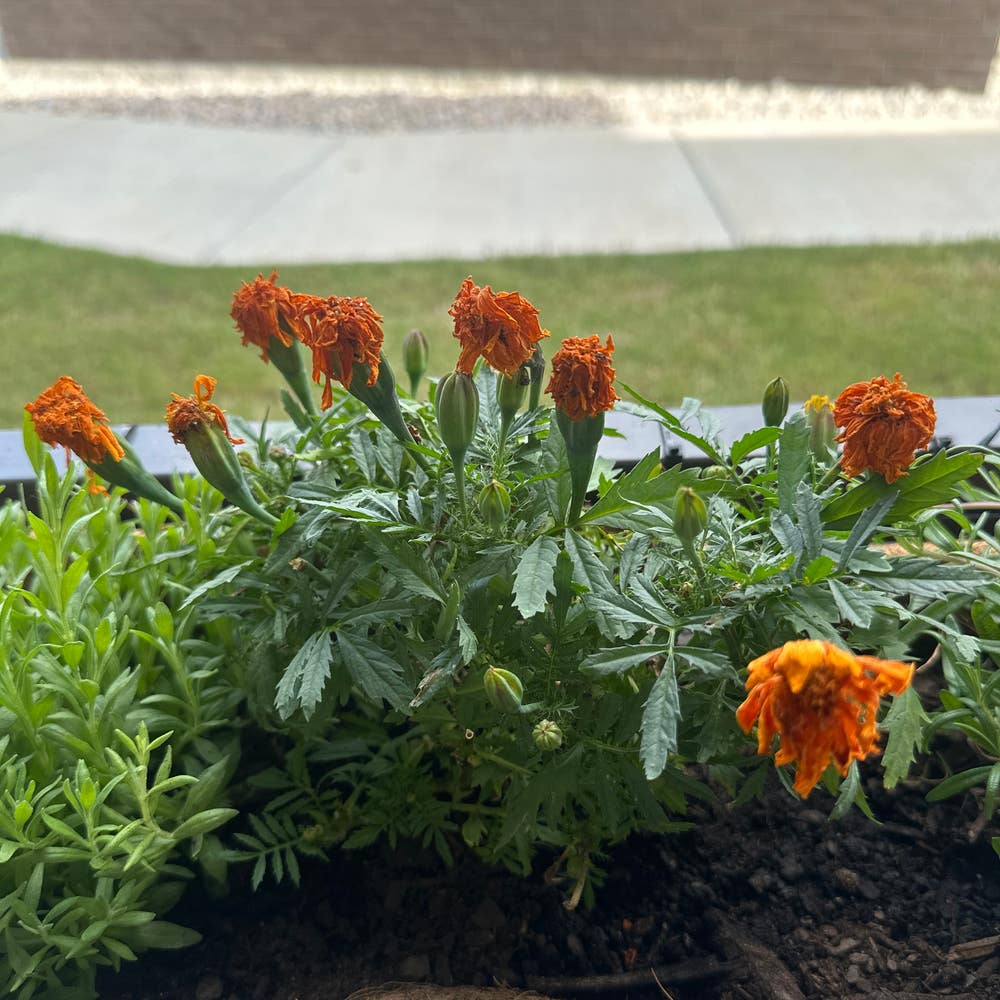
Don't forget about deadheading! Removing spent blooms encourages new growth and keeps your plants looking vibrant.
🍂 Fall Preparation
As temperatures cool, it's time to prepare your marigolds for winter. Mulch around the plants to insulate the roots and protect them from the chill.
A final fertilization with a slow-release option will help your marigolds store nutrients for the colder months ahead.
❄️ Winter Considerations
Frost can be harsh, so take precautions. Bring container plants indoors or cover ground plants to shield them from freezing temperatures.
During winter, allow your marigolds to rest. Minimal care is needed, letting them recharge for the next growing season.
With these seasonal care routines, your French marigolds will flourish throughout the year, setting the stage for vibrant blooms and healthy growth. Next, let’s explore how to adapt care routines based on your climate zone.
Climate Zone Considerations
Care for Different Climate Zones 🌍
French marigolds thrive in USDA Hardiness Zones 2-11, making them versatile for various climates. If you're in an arid zone, be prepared to adjust your watering routine to keep these beauties hydrated.
Adapting Care Routines Based on Local Weather ☀️
Monitoring local weather patterns is crucial for successful marigold care. Adjust your watering and protection strategies based on temperature fluctuations and rainfall.
Seasonal Adjustments 🍂
As the seasons change, so should your approach to fertilization and pest management. Tailoring your care routines ensures your marigolds remain vibrant and healthy throughout the year.
With these climate zone considerations in mind, you'll be well-equipped to nurture your French marigolds, no matter where you are. Next, let’s dive into the seasonal care routines that will keep your plants flourishing!
⚠️ Safety First
This content is for general information and may contain errors, omissions, or outdated details. It is not medical, veterinary advice, or an endorsement of therapeutic claims.
Always consult a qualified healthcare professional before using any plant as food, medicine, or supplement.
Never eat any plant (or feed one to pets) without confirming its identity with at least two trusted sources.
If you suspect poisoning, call Poison Control (800) 222-1222, the Pet Poison Helpline (800) 213-6680, or your local emergency service immediately.
Spotted an error? Please report it here.
Transform your outdoor space with vibrant French marigolds 🌼 by using Greg's personalized care tips and watering reminders to keep your blooms thriving all season long!