🌼 Why French Marigold Is An Annual Plant
Tagetes patula
By the Greg Editorial Team
Aug 24, 2024•6 min read
This article was created with the help of AI so we can cover more plants for you. May contain errors. See one? Report it here.
Unlock vibrant blooms and resilient growth in your garden with French Marigolds! 🌼🌱
- 🌼 French Marigolds grow from seed to bloom in 8-10 weeks, thriving in full sun.
- 🌱 These annuals adapt quickly, maximizing reproduction in changing environments and seasons.
- 🐝 They attract pollinators and deter pests, enhancing garden health and visual appeal.
Characteristics of French Marigold as an Annual
🌱 Lifecycle
French Marigolds undergo a fascinating lifecycle that includes four main stages: germination, vegetative growth, flowering, and seed production. From seed to flower, this vibrant plant typically takes about 8-10 weeks, making it a quick and rewarding addition to any garden.
Environmental factors play a crucial role in each stage. For instance, warmth and moisture are essential for germination, while adequate sunlight and nutrients support robust vegetative growth.
🌼 Growth Patterns and Development Stages
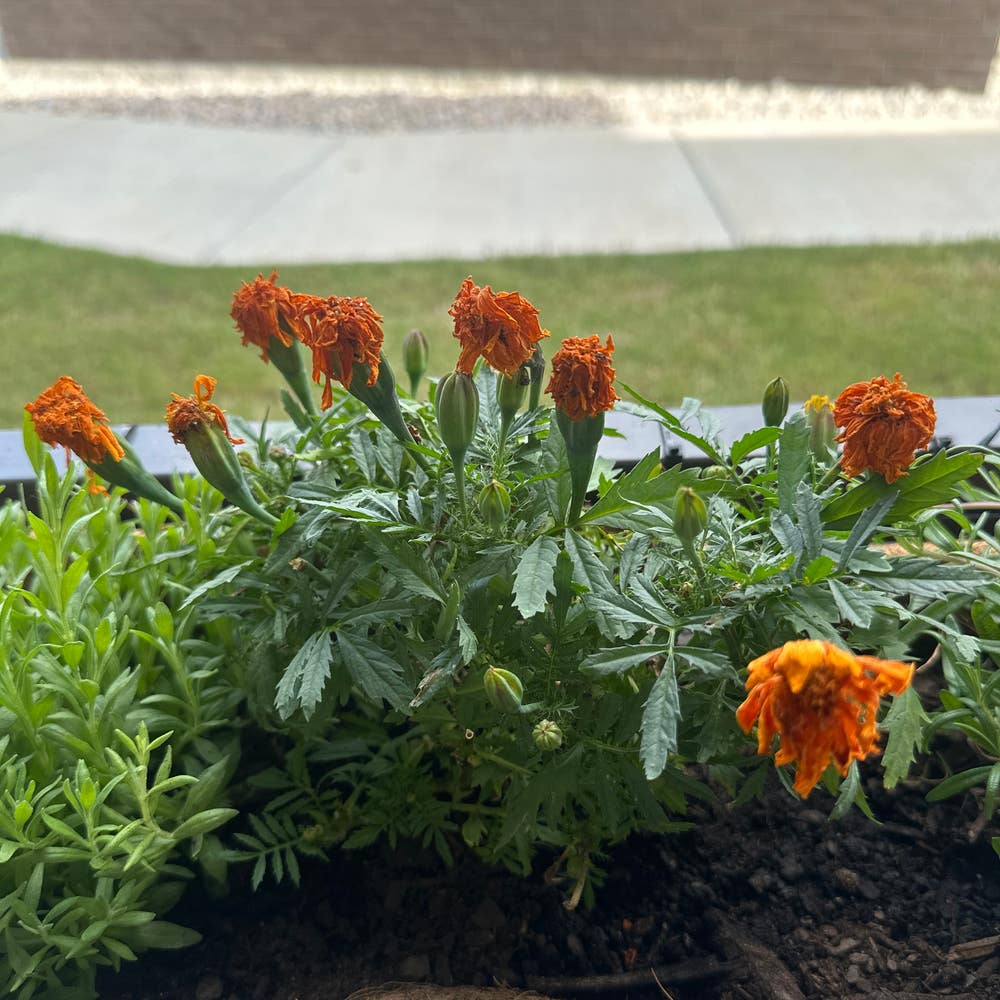
These marigolds are known for their compact, bushy form, which makes them ideal for borders and garden beds. They thrive in well-drained soil and require full sun for optimal growth, along with regular watering to keep them healthy.
Seasonal changes significantly influence their growth patterns. Temperature and light levels can affect everything from flowering times to overall plant vigor, plants it essential to monitor these conditions.
🌿 Reproductive Strategies and Seed Production
French Marigolds have unique mechanisms for seed production, primarily through their flower structure and pollination processes. They attract various pollinators, which aids in the fertilization necessary for seed development.
Seed dispersal is equally fascinating, as these plants utilize wind, water, and animal interactions to spread their seeds. A single plant can produce a substantial quantity of seeds, which has important implications for gardeners looking to maximize their planting efforts.
In summary, understanding the lifecycle, growth patterns, and reproductive strategies of French Marigolds not only enhances gardening success but also deepens appreciation for this resilient annual plant. Next, we will explore the evolutionary advantages that come with being an annual plant.
Evolutionary Advantages
Benefits of Being an Annual Plant 🌼
French Marigolds thrive as annuals, boasting a rapid lifecycle that enables them to adapt quickly to changing environments. This adaptability is crucial for survival, allowing them to respond effectively to seasonal variations.
Their ability to produce multiple generations within a single season maximizes their reproductive success. This means that even in less-than-ideal conditions, they can still ensure the continuation of their species.
Additionally, these plants alFrench Marigolds efficiently, focusing on reproduction rather than longevity. This strategy allows them to thrive in diverse environments, ensuring their presence year after year.
Adaptation Strategies in Various Environments 🌍
French Marigolds exhibit remarkable resilience to different soil types and climates. They can flourish in sandy, loamy, or clay soils, making them versatile garden companions.
To combat drought, these plants have developed strategies such as deep root systems that access moisture below the surface. They also produce essential oils that deter pests, enhancing their survival odds.
Their vibrant colors and enticing scents play a dual role: attracting pollinators while simultaneously warding off unwanted insects. This natural defense mechanism not only supports their growth but also enriches the garden ecosystem.
In summary, the evolutionary advantages of French Marigolds as annual plants are evident in their rapid adaptation, efficient resource use, and effective survival strategies. These traits make them a valuable addition to any garden, paving the way for the next section on their lifecycle and growth patterns.
Impact of Annual Lifecycle
🌱 Growth and Flowering Timeline
The lifecycle of the French Marigold is a fascinating journey that begins with germination and culminates in vibrant blooms. Typically, this process takes about 8-10 weeks, with the plant moving through distinct phases: germination, vegetative growth, flowering, and seed production.
Several factors influence the timing of flowering. Day length plays a crucial role, as longer dFrench Marigoldsr blooming. Additionally, temperature and soil conditions can either accelerate or delay this process, making it essential for gardeners to monitor their environment closely.
🌼 Seed Production and Dispersal Mechanisms
Once flowering occurs, the French Marigold shifts focus to seed production. A single plant can produce a substantial number of seeds, ensuring the continuation of its lineage. This prolific nature is one reason why these flowers are popular among gardeners.
Seed dispersal happens through various natural methods, including wind, water, and animal interactions. Human-assisted propagation also plays a role, as gardeners often collect and replant seeds to maintain their gardens.
The viability of these seeds is crucial for future generations. Healthy seeds ensure that the cycle cFrench Marigoldsng new plants to thrive in the seasons to come. Understanding these mechanisms not only enhances gardening success but also deepens appreciation for this remarkable annual plant.
As we explore the evolutionary advantages of the French Marigold, we’ll uncover how its annual lifecycle contributes to its resilience and adaptability in diverse environments.
Variations and Exceptions
Instances of Biennial or Perennial Behavior 🌱
While French Marigolds are primarily annuals, certain conditions can lead them to exhibit biennial or even perennial behaviors. In regions with mild winters, these plants may survive beyond their typical lifecycle, allowing them to bloom in subsequent seasons.
Environmental factors play a crucial role in this adaptability. For instance, consistent temperatures and adequate moisture can encourage a longer lifespan. Conversely, extreme conditions may force them to revert to their annual nature, emphasizing their resilience.Indoor growingarieties and Their Characteristics 🌼
Hybrid varieties of French Marigolds can also display unique growth patterns. These hybrids often combine traits from different species, resulting in variations in color, size, and even lifespan.
Some hybrids may be bred for specific climates, enhancing their ability to thrive in diverse environments. Understanding these variations can help gardeFrench Marigoldsright type for their specific conditions, ensuring vibrant blooms and robust growth.
As we explore the gardening applications of French Marigolds, consider how these variations can influence your planting strategies.
Gardening Applications
Utilizing in Garden Design 🌼
Incorporating French Marigold into your garden layout offers numerous benefits. Their vibrant colors not only enhance visual appeal but also attract beneficial pollinators.
Companion planting with French Marigolds can deter pests, making them a smart choice for organic gardening. Pair them with vegetables like tomatoes and peppers to create a thriving ecosystem.
When designing your garden, consider color combinations that complement the marigold's bright hues. Mixing them with cooler-toned plants can create a stunning contrast, making your garden pop.
Tips for Succession Planting 🌱
Succession planting is a fantastic way to maximize bloom time and seed production. By staggering your planting schedule, you can enjoy continuous blooms throughout the growing season.
Aim to plant new seeds every few weeks to ensure a steady supply of flowers. This technique not only extends the flowering period but also enhances your garden's overall productivity.
Strategies for Extending the Growing Season ❄️
To protect your French Marigolds from frost, consider using cloches or row covers. These simple methods can shield your plants and prolong their growing season.
Indoor growing techniques can also help extend the lifecycle of your marigolds. Starting seeds indoors allows for earlier blooms and a longer harvest period.
Finally, timely harvesting is crucial for seed collection. Collecting seeds at the right moment ensures you have a supply for future planting, keeping your garden vibrant year after year.
With these strategies, you can make the most of your French Marigolds, ensuring they thrive and bring joy to your garden. Next, let’s explore the variations and exceptions in their growth behavior.
⚠️ Safety First
This content is for general information and may contain errors, omissions, or outdated details. It is not medical, veterinary advice, or an endorsement of therapeutic claims.
Always consult a qualified healthcare professional before using any plant as food, medicine, or supplement.
Never eat any plant (or feed one to pets) without confirming its identity with at least two trusted sources.
If you suspect poisoning, call Poison Control (800) 222-1222, the Pet Poison Helpline (800) 213-6680, or your local emergency service immediately.
Spotted an error? Please report it here.
Unlock a vibrant garden with French Marigolds 🌼 by using Greg's tailored care reminders to ensure your plants thrive and attract beneficial pollinators all season long!