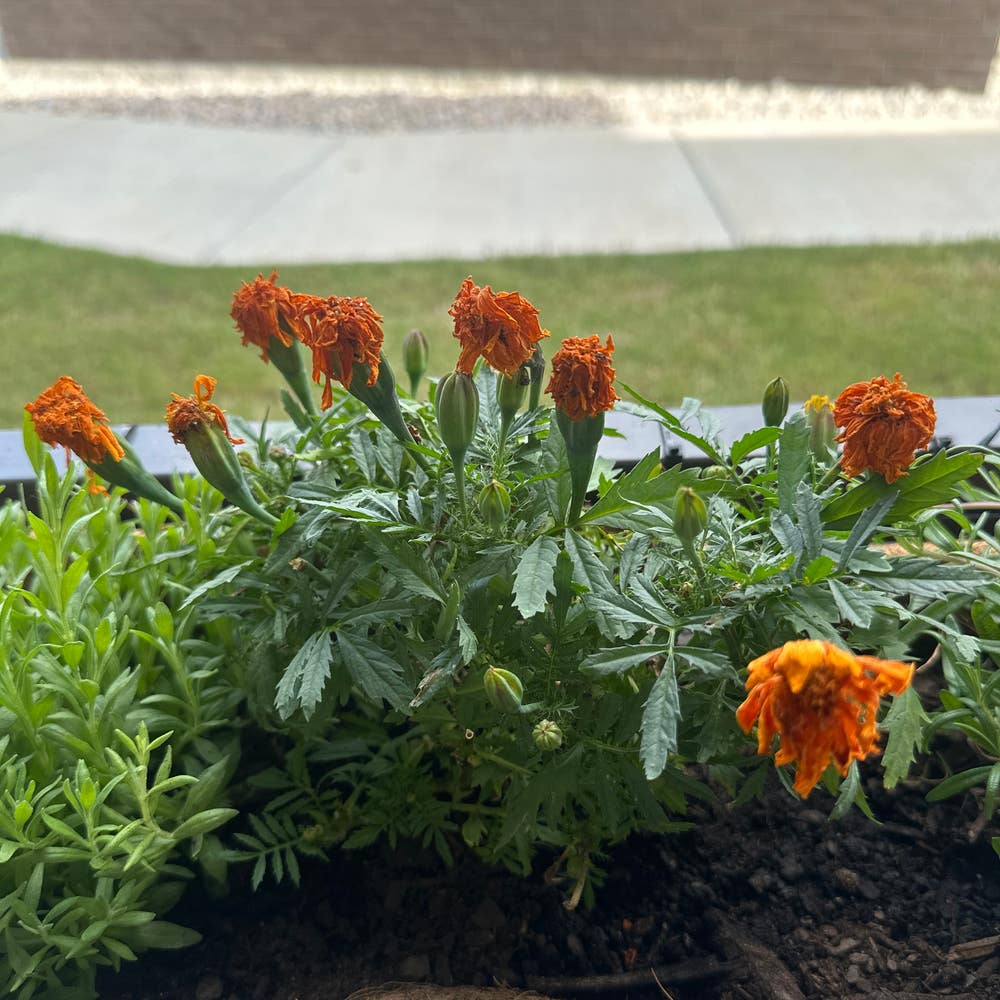
💧 9 Tips for Watering Your French Marigold
Tagetes patula
By the Greg Editorial Team
Aug 24, 2024•4 min read
This article was created with the help of AI so we can cover more plants for you. May contain errors. See one? Report it here.
Unlock vibrant blooms for your French Marigolds 🌼 by mastering the perfect watering routine this season! 💧
- 💧 Water every 5-7 days, adjusting for climate and pot size for optimal growth.
- 🌱 Yellow leaves indicate over-watering; check soil moisture to prevent root rot.
- 📏 Use moisture meters or simple tests to ensure proper watering and plant health.
Ideal Watering Schedule
🌊 General Watering Frequency
Water your French Marigold every 5-7 days during its active growth period, which spans from spring to frost. Keep an eye on environmental conditions like temperature and humidity, as these can necessitate adjustments to your watering routine.
📊 Factors Affecting Watering Frequency
Several factors influence how often you should water your marigolds:
🌡️ Climate
In hotter climates, you may need to water more frequently to keep your plants thriving.
🪴 Pot Size
Larger pots retain moisture longer, while smaller pots can dry out quickly, requiring more regular watering.
🌱 Soil Type
Well-draining soil demands more frequent watering compared to heavier soils, which hold moisture longer.
Understanding these elements will help you create an effective watering schedule tailored to your French Marigold's needs. By paying attention to these factors, you can ensure your plants stay healthy and vibrant.
Next, we’ll explore how to recognize the signs of over-watering, so you can avoid common pitfalls in your watering routine.
Recognizing Over-Watering
🚩 Signs of Over-Watering
Over-watering can be a sneaky issue for your French marigolds. One of the first signs is yellowing leaves, which indicate that your plant is stressed from too much moisture.
Another red flag is root rot. If you inspect the roots and find them dark and mushy, it’s a clear sign that your plant is suffering.
💧 Solutions for Over-Watering
If you suspect over-watering, the first step is to allow the soil to dry out. Stop watering until the top inch of soil feels dry to the touch.
Next, improve drainage. Make sure your pots have adequate drainage holes, and consider repotting in well-draining soil if necessary.
Finally, adjust your watering schedule. Using the Greg plant care app can help you set reminders based on moisture levels, ensuring your marigolds get just the right amount of water.
By recognizing the signs and taking action, you can keep your French marigolds thriving. Now, let’s explore how to identify under-watering to ensure your plants are always happy and healthy.
Recognizing Under-Watering
🌵 Signs of Under-Watering
Under-watering your French Marigold can lead to noticeable distress. One of the first signs is wilting; the leaves will droop and lose their turgor, making the plant look sad.
Another indicator is dry soil. When the soil feels parched and pulls away from the edges of the pot, it’s a clear signal that your plant is thirsty.
💧 Solutions for Under-Watering
To remedy under-watering, start by watering thoroughly. Make sure the water reaches the root zone and allow any excess to drain out of the pot.
Next, consider increasing your watering frequency. Adjust your schedule based on seasonal needs and the growth stages of your plant to keep it thriving.
By staying attentive to these signs and solutions, you can ensure your French Marigold remains vibrant and healthy. Now, let’s explore effective watering techniques to maintain optimal moisture levels.
Watering Techniques
🌊 Bottom-Watering Technique
Bottom-watering is a method where you add water to the bottom of the pot. This allows your French Marigold to absorb moisture through the drainage holes, promoting healthier growth.
This technique significantly reduces the risk of over-watering. It also encourages deep root growth, which is essential for a robust plant.
💧 Self-Watering Pots
Self-watering pots come equipped with a reservoir that allows plants to draw water as needed. This innovative design is perfect for busy gardeners or those who travel frequently.
The benefits are clear: you achieve consistent moisture levels and reduce the frequency of watering. This makes self-watering pots an ideal choice for container gardening, ensuring your French Marigolds thrive even when you're not around.
By employing these watering techniques, you can maintain the health and vibrancy of your French Marigolds. Next, let’s explore how to measure soil moisture effectively to ensure your plants are getting just the right amount of water.
Measuring Soil Moisture
🛠️ Tools for Measuring Moisture Levels
Keeping track of your French Marigold's moisture is crucial for its health. A soil moisture meter is a handy tool that provides accurate readings of soil moisture content, ensuring you know exactly when to water.
Another useful device is a digital hygrometer. This measures humidity levels in the surrounding environment, helping you understand how external factors might affect your plant's watering needs.
✋ DIY Methods for Checking Soil Moisture
If you prefer a more hands-on approach, try the finger test. Simply insert your finger into the soil up to the second knuckle. If it feels dry, it’s time to give your plant a drink.
Another method is the soil texture test. Take a small amount of soil and squeeze it in your hand. If it crumbles, it’s too dry; if it holds together, it’s adequately moist. These simple techniques can help you maintain the perfect watering routine.
By mastering these moisture-checking methods, you can ensure your French Marigold thrives. Next, let’s explore effective watering techniques to keep your plants happy and healthy.
⚠️ Safety First
This content is for general information and may contain errors, omissions, or outdated details. It is not medical, veterinary advice, or an endorsement of therapeutic claims.
Always consult a qualified healthcare professional before using any plant as food, medicine, or supplement.
Never eat any plant (or feed one to pets) without confirming its identity with at least two trusted sources.
If you suspect poisoning, call Poison Control (800) 222-1222, the Pet Poison Helpline (800) 213-6680, or your local emergency service immediately.
Spotted an error? Please report it here.
Keep your French Marigolds thriving 🌼 by using Greg's tailored watering reminders and moisture checks to ensure they get just the right amount of water!