🐝 Ultimate Guide to Pollinating French Marigold
Tagetes patula
By the Greg Editorial Team
Aug 24, 2024•6 min read
This article was created with the help of AI so we can cover more plants for you. May contain errors. See one? Report it here.
Boost your garden's vibrancy 🌼 by mastering the pollination secrets of French Marigolds!
- 🌼 French Marigolds attract bees, butterflies, and hummingbirds, enhancing pollination success.
- 🌱 Self-pollination ensures seed production, even in tough conditions.
- 🌍 Cross-pollination boosts genetic diversity, vital for plant resilience.
Flower Structure
Description of Flower Characteristics 🌼
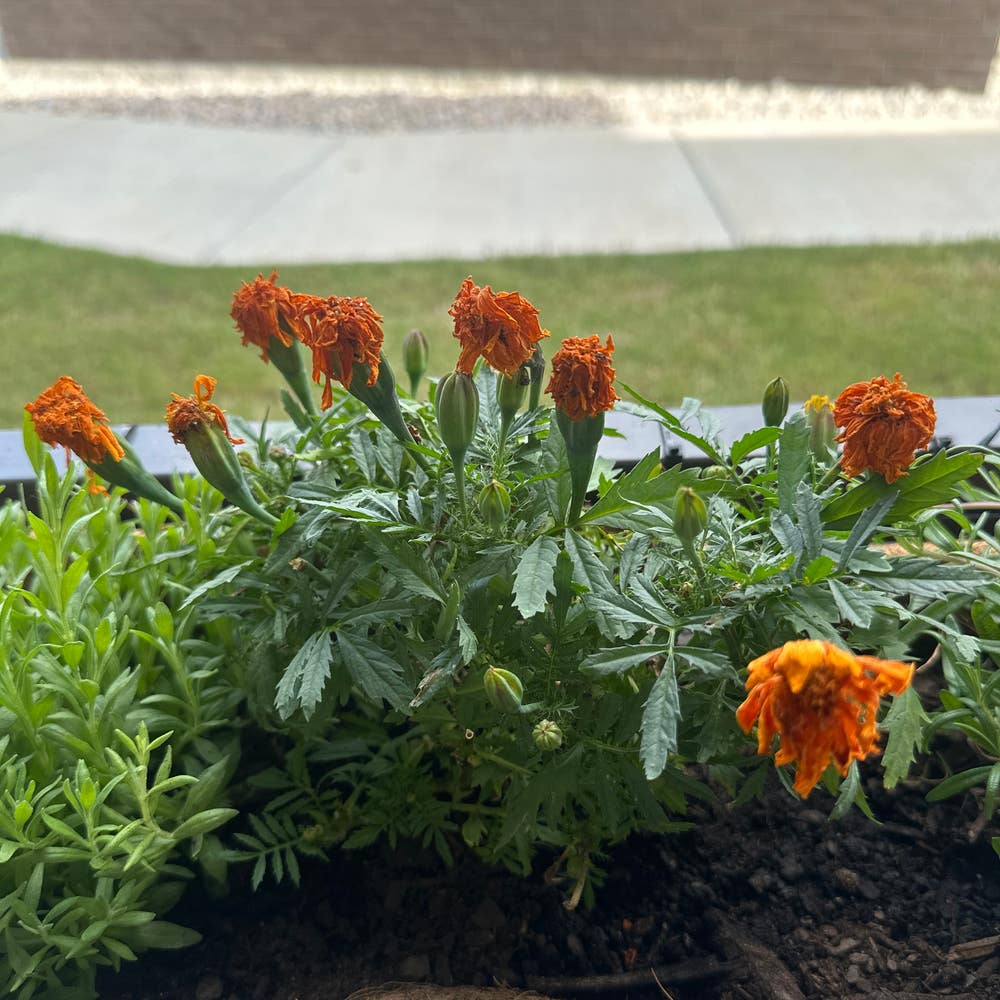
French Marigolds boast a striking daisy-like structure, featuring a central disc surrounded by vibrant ray florets. Their bright yellows, oranges, and reds not only catch the eye but also serve as a beacon for pollinators.
These flowers grow in dense clusters, making it easy for bees, butterflies, and other pollinators to access their nectar. This arrangement enhances their attractiveness, ensuring a bustling environment for pollination.
Role of Flower Parts in Pollination 🐝
The petals of French Marigolds are brightly colored, playing a crucial role in attracting pollinators. Their vivid hues signal to insects that a rewarding meal awaits.
Sepals act as a protective outer layer, supporting the flower while safeguarding its reproductive parts. The stamens, or male reproductive components, produce pollen essential for fertilization.
Meanwhile, the pistils serve as the female reproductive parts, receiving pollen to facilitate the creation of seeds. Together, these elements work harmoniously to ensure successful pollination and reproduction.
With a solid understanding of flower structure, we can now explore the fascinating pollination process that follows.
Pollination Process
🌼 Self-Pollination Mechanism
French Marigolds have a fascinating self-pollination mechanism. Their flowers are structured in a way that allows pollen to transfer from the stamens to the pistils without needing external help.
This self-sufficiency ensures consistent seed production, making them reliable bloomers in any garden. It’s a natural strategy that helps maintain their population even in less-than-ideal conditions.
🐝 Cross-Pollination and Pollinator Species
While self-pollination is effective, cross-pollination plays a vital role in enhancing genetic diversity. This diversity is crucial for the resilience and adaptability of French Marigolds.
Primary Pollinators
Bees: These buzzing friends are attracted to the vibrant colors and sweet scents of the flowers. They efficiently transfer pollen as they move from bloom to bloom.
Butterflies: While sipping nectar, butterflies also contribute to pollination. Their delicate movements help spread pollen, ensuring the flowers can reproduce.
Other Species: Moths and hummingbirds also interact with French Marigolds. Moths are active at night, while hummingbirds are drawn to the bright colors, both aiding in the pollination process.
Understanding these pollinators and their roles can help you appreciate the intricate relationships within your garden. As we delve deeper into natural pollination, you'll see how these interactions are essential for the health of your plants.
Natural Pollination
🌬️ Mechanisms of Pollen Transfer
Pollen transfer in French Marigolds occurs naturally through a combination of wind and insect activity. As bees and other pollinators visit the flowers, they brush against the stamens, collecting pollen that they later transfer to the pistils of other flowers.
In addition to insects, wind can also play a role in dispersing pollen. While French Marigolds primarily rely on pollinators, breezy days can help carry pollen from one flower to another, enhancing the chances of successful fertilization.
🌼 Importance of Pollination for Reproduction
Successful pollination is crucial for seed development in French Marigolds. When pollen from the stamens reaches the pistils, it initiates fertilization, leading to the formation of seeds.
Moreover, genetic diversity resulting from cross-pollination strengthens plant health and adaptability. A diverse gene pool allows plants to better withstand environmental changes and resist pests, ensuring a vibrant garden for years to come.
As we explore the next section on hand pollination, consider how you can actively participate in this fascinating process to enhance your gardening experience.
Hand Pollination
🌼 Step-by-Step Instructions for Hand-Pollinating French Marigold
Hand-pollinating French Marigolds can be a rewarding experience. Follow these simple steps to ensure successful fertilization.
🔍 1. Identifying Male and Female Flower Parts
Start by examining the flower closely. Locate the stamens, which are the male parts that produce pollen, and the pistils, the female parts that receive pollen.
🧹 2. Collecting Pollen
Next, gather your tools. Use a small brush or a cotton swab to gently collect pollen from the stamens. This step is crucial for effective transfer.
🔄 3. Transferring Pollen
Now, it’s time to make the transfer. Carefully apply the collected pollen to the pistil of another flower. This direct contact is essential for fertilization.
⏰ 4. Timing for Successful Fertilization
Timing is everything! Perform this process during peak flowering times for maximum effectiveness. Pollination is most successful when flowers are fully open and vibrant.
Hand-pollination not only boosts seed production but also enhances your connection with these beautiful plants. Next, let’s explore how to support pollinators in your garden for even better results.
Supporting Pollinators
🌼 Creating a Pollinator-Friendly Environment
Designing a garden that attracts pollinators is both rewarding and essential. Start by planting diverse flowering species to provide a continuous source of nectar and pollen throughout the growing season.
Incorporate water sources, like shallow dishes or birdbaths, to keep pollinators hydrated. Additionally, create shelter with native plants or small brush piles, offering safe havens for bees and butterflies.
🌸 Companion Plants for Pollination Success
Companion planting can significantly enhance pollination success. Consider adding borage, lavender, and other nectar-rich flowers to your garden.
These plants not only attract pollinators but also provide a supportive ecosystem. By fostering a variety of species, you encourage a thriving pollinator community, which benefits your French Marigolds and overall garden health.
Creating a welcoming environment for pollinators is a crucial step in ensuring successful pollination. Next, let’s explore the challenges that can arise in this process and how to overcome them.
Pollination Challenges
Common Obstacles to Successful Pollination 🐝
Pollination can be hindered by various environmental factors. Temperature fluctuations and humidity levels can significantly affect the pollination process.
A lack of pollinators is another major challenge. Signs of low pollinator activity include fewer flowers being visited and reduced seed set.
Solutions for Overcoming Challenges 🌼
To attract more pollinators, consider planting native species. Reducing pesticide use also creates a safer environment for these essential creatures.
Creating habitats for pollinators is crucial. This can include adding nesting sites and providing diverse flowering plants to support their needs.
Impact of Environmental Factors on Pollination Success 🌡️
Temperature and humidity directly influence flower opening and pollen viability. Extreme conditions can lead to poor pollination outcomes.
Seasonal variations also play a role in the pollination process of French Marigold. Understanding these factors can help gardeners optimize conditions for successful pollination.
With awareness of these challenges and solutions, you can enhance the pollination success of your French Marigolds. Next, let’s explore how to support pollinators in your garden.
⚠️ Safety First
This content is for general information and may contain errors, omissions, or outdated details. It is not medical, veterinary advice, or an endorsement of therapeutic claims.
Always consult a qualified healthcare professional before using any plant as food, medicine, or supplement.
Never eat any plant (or feed one to pets) without confirming its identity with at least two trusted sources.
If you suspect poisoning, call Poison Control (800) 222-1222, the Pet Poison Helpline (800) 213-6680, or your local emergency service immediately.
Spotted an error? Please report it here.
Unlock a blooming paradise 🌼 by attracting pollinators to your French Marigolds with Greg's personalized care tips and reminders for a flourishing garden!