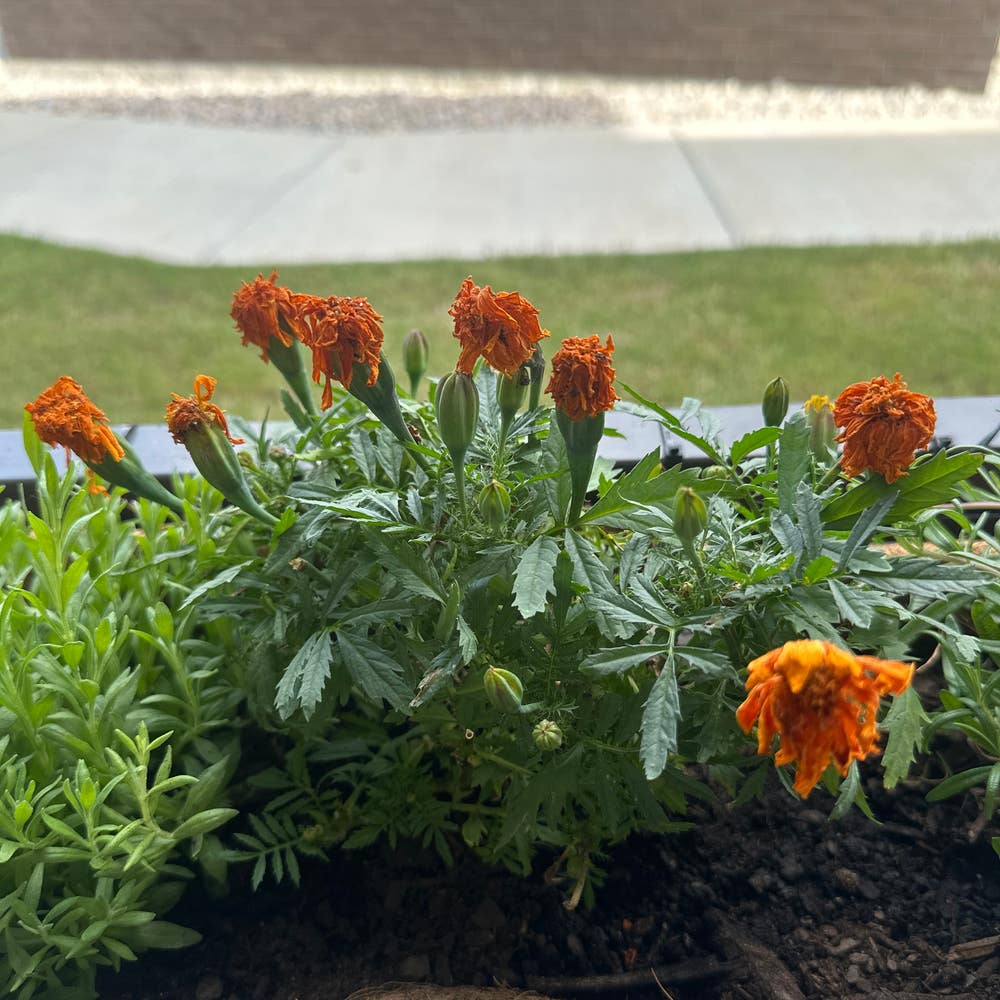
🔍 Understanding Black Spots on Your French Marigold Leaves
Tagetes patula
By the Greg Editorial Team
Aug 24, 2024•5 min read
This article was created with the help of AI so we can cover more plants for you. May contain errors. See one? Report it here.
Revive your French Marigolds from black spots with essential tips for diagnosis, treatment, and prevention! 🌿✨
- 🌱 Black spots on Marigolds often stem from fungal infections like Alternaria and Botrytis.
- 🦠 Bacterial infections can cause leaf drop; prompt treatment is essential for recovery.
- 🌬️ Improve air circulation and sunlight exposure to reduce black spot risks effectively.
Causes of Black Spots on Leaves
🦠 Fungal Infections
Fungal infections are a primary culprit behind black spots on French Marigold leaves. Two common pathogens to watch for are Alternaria and Botrytis.
- Alternaria causes dark, circular spots often surrounded by yellow halos.
- Botrytis leads to grayish-brown spots and can result in leaf blight.
These fungi thrive in conditions of high humidity and poor air circulation. Overwatering and waterlogged soil can also create a perfect environment for these pathogens to flourish.
🦠 Bacterial Infections
Bacterial infections can also manifest as black spots on leaves. The most notable is bacterial leaf spot, which presents as water-soaked spots that eventually turn dark.
These spots can lead to leaf drop if not addressed. Contaminated tools or water are common causes of this infection, so maintaining cleanliness is crucial.
🐛 Pest Infestations
Pests can exacerbate the issue of black spots on your Marigolds. Aphids are notorious for causing yellowing and curling of leaves, which can lead to secondary infections.
Spider mites create stippled leaves and can worsen the appearance of black spots. Signs of pest infestations include visible pests, webbing, or sticky residue on leaves.
Understanding these causes is essential for effective treatment and prevention. Next, we’ll explore how to identify these black spots and differentiate them from other leaf issues.
Symptoms and Diagnosis
🕵️♀️ Identifying Black Spots vs. Other Leaf Issues
Black spots on your French Marigold leaves can be alarming, but distinguishing them from other issues is crucial. Nutrient deficiencies often present as yellowing leaves, while diseases like powdery mildew show a white, dusty coating rather than dark spots.
📊 Assessing the Extent of Damage
To effectively manage black spots, evaluate the extent of the damage. Check the percentage of affected leaves and assess the severity by noting the size and number of spots present.
🆘 When to Seek Professional Help
Sometimes, the situation may escalate beyond DIY solutions. If you notice a rapid spread of symptoms or find it challenging to identify the cause, it’s time to consult a professional for guidance.
Understanding these symptoms and their implications can empower you to take action, ensuring your marigolds thrive. Next, we’ll explore various treatment options to combat these pesky black spots.
Treatment Options
🌱 Organic Fungicides and Their Application
When it comes to treating black spots on your French Marigold leaves, organic fungicides can be a game changer. Neem oil is particularly effective against various fungal infections, while sulfur-based fungicides offer both preventative and curative properties.
For best results, apply these products every 7 to 14 days, ensuring thorough coverage of the affected areas. Always follow the manufacturer's instructions for dilution and application methods to maximize effectiveness.
⚗️ Chemical Treatments and Precautions
If organic options aren't cutting it, chemical fungicides may be necessary. You'll encounter two main types: systemic fungicides, which are absorbed by the plant, and contact fungicides, which act on the surface.
Safety is paramount when using chemicals. Always wear protective gear, including gloves and masks, and apply during cooler parts of the day to minimize harm to both you and the plants.
🏠 Home Remedies
For those who prefer DIY solutions, neem oil can be a fantastic option. Mix it with water at a ratio of 1 tablespoon of neem oil to 1 gallon of water, and spray it on the affected leaves every 7 days.
Another effective home remedy is a baking soda solution. Combine 1 tablespoon of baking soda with 1 gallon of water and a few drops of dish soap. Spray this mixture on your plants weekly to help combat fungal issues.
✂️ Pruning Affected Leaves
Pruning is a crucial step in managing black spots. Use clean, sharp shears to remove any severely affected leaves, which helps prevent the spread of infection.
Timing matters too; prune early in the morning or late in the afternoon to reduce stress on the plant. This simple act can significantly improve the overall health of your marigolds.
With these treatment options, you can effectively combat black spots and keep your French Marigolds thriving. Next, let’s explore some prevention strategies to ensure your plants stay healthy and vibrant.
Prevention Strategies
💧 Proper Watering Techniques
Maintaining the right soil moisture is crucial for your French Marigolds. Water them deeply but infrequently to avoid overwatering, which can lead to root rot and fungal issues.
Consider using drip irrigation for a consistent moisture level. This method delivers water directly to the roots, minimizing evaporation and reducing the risk of fungal growth compared to overhead watering.
🏞️ Soil Health and Drainage Improvement
Well-draining soil is essential for healthy marigolds. Incorporate amendments like perlite or sand to improve drainage and prevent waterlogging.
To test your soil's drainage, conduct a simple percolation test. Dig a hole, fill it with water, and observe how quickly it drains; ideally, it should empty within a few hours.
☀️ Sunlight and Air Circulation Requirements
French Marigolds thrive in full sun, requiring 6 to 8 hours of direct sunlight daily. This exposure not only promotes growth but also helps prevent fungal diseases.
Enhancing air circulation around your plants is equally important. Space them appropriately to reduce humidity and allow for better airflow, which can help keep black spots at bay.
By implementing these prevention strategies, you can create a thriving environment for your French Marigolds, minimizing the risk of black spots and other issues. Next, let's explore effective treatment options if you do encounter problems.
⚠️ Safety First
This content is for general information and may contain errors, omissions, or outdated details. It is not medical, veterinary advice, or an endorsement of therapeutic claims.
Always consult a qualified healthcare professional before using any plant as food, medicine, or supplement.
Never eat any plant (or feed one to pets) without confirming its identity with at least two trusted sources.
If you suspect poisoning, call Poison Control (800) 222-1222, the Pet Poison Helpline (800) 213-6680, or your local emergency service immediately.
Spotted an error? Please report it here.
Combat black spots on your French Marigolds with Greg's tailored care tips 🌱, ensuring your plants stay healthy and vibrant all season long!