🌼 Top 3 Signs Your French Marigold is Stressed in Winter
Tagetes patula
By the Greg Editorial Team
Aug 24, 2024•4 min read
This article was created with the help of AI so we can cover more plants for you. May contain errors. See one? Report it here.
Ensure your French Marigolds survive winter stress and bloom beautifully in spring with these essential care tips! 🌼❄️
- 🌼 Yellowing leaves and wilting indicate nutrient deficiency or overwatering in winter.
- ❄️ Protect from frost using cloths to ensure your Marigolds survive the cold.
- 🌱 Monitor soil moisture to prevent root rot and maintain plant health.
Signs of Stress in Winter
🌼 Yellowing Leaves and Wilting
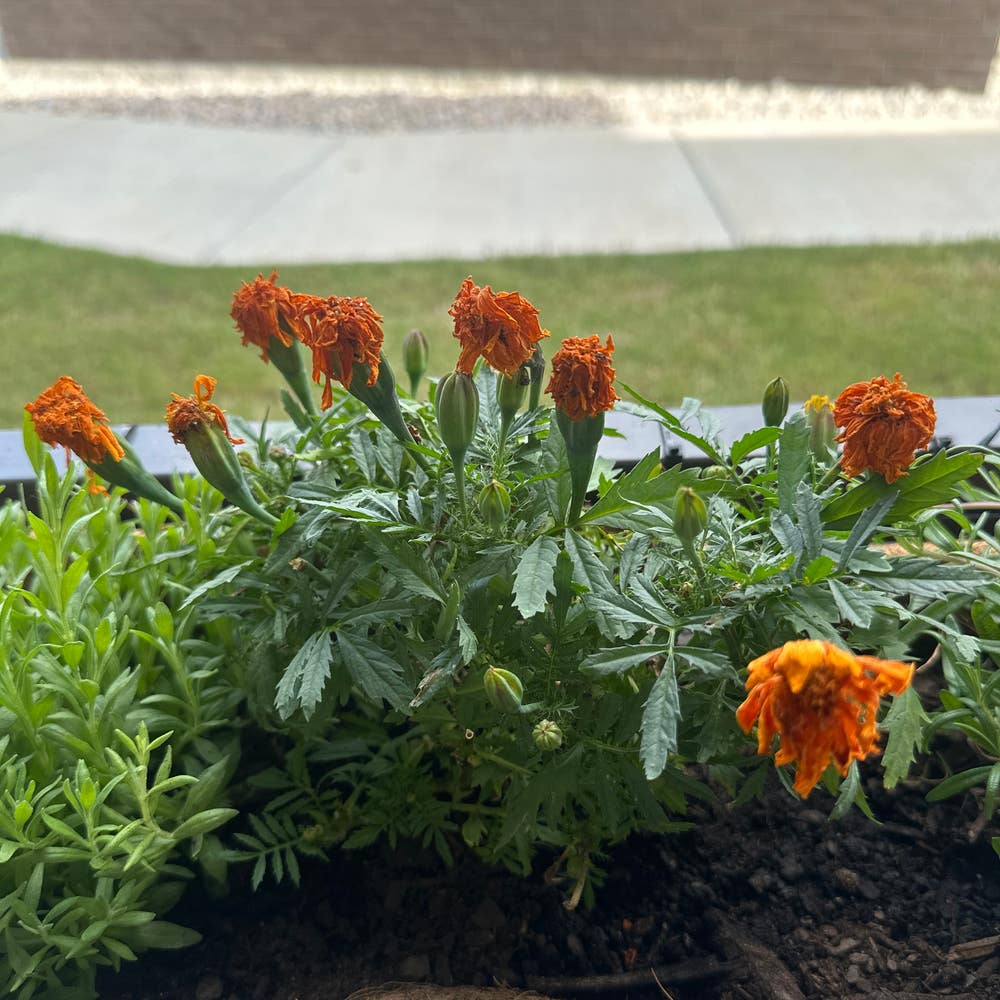
When your French Marigold's leaves start to yellow, it often signals nutrient deficiency or overwatering. Both issues can lead to drooping leaves and stems, making your plant look sad and unhealthy.
📉 Stunted Growth and Reduced Flowering
Stunted growth is evident when you notice a lack of new leaves or buds. Additionally, if your Marigold produces fewer blooms or smaller flowers, it’s a clear sign that something is off.
🍂 Leaf Drop and Discoloration
Leaf drop can be categorized into premature leaf loss or seasonal shedding. Discoloration patterns, like brown edges or spots, indicate stress and should not be ignored.
Recognizing these signs early can help you take action to revive your French Marigold. Next, let’s explore effective winter care techniques to ensure your plants thrive despite the cold.
Winter Care Techniques
❄️ Frost Protection Methods
Frost can be a silent killer for your French Marigolds. Protecting them from freezing temperatures is crucial for their survival during winter.
To shield your plants, consider using frost cloths or blankets. These materials trap heat and create a warmer microenvironment around your flowers.
Another effective method is creating microclimates. You can achieve this by applying mulch or setting up barriers that block cold winds, helping to maintain a stable temperature.
💧 Adjusting Watering Schedules for Winter
As winter sets in, it’s essential to adjust your watering routine. Reducing the frequency of watering helps prevent root rot, which can be a common issue during colder months.
Keep an eye out for signs of overwatering. Checking soil moisture and observing leaf conditions can guide you in maintaining the right balance.
🌱 Fertilizing Practices During Dormancy
Fertilizing your French Marigolds during dormancy requires careful consideration. Opt for fertilizers that are suitable for winter use, ensuring they provide balanced nutrients.
Timing is key; fertilize sparingly during this period to avoid stressing the plants. A well-timed application can support recovery and prepare them for the upcoming growing season.
By following these winter care techniques, you can help your French Marigolds thrive despite the cold. Next, let’s explore how to transition your Marigolds indoors for the winter months.
Indoor Care for French Marigold
🌱 Transitioning Marigolds Indoors
Moving your French Marigold indoors requires a thoughtful approach. Start with a gradual transition over 1-2 weeks to help your plant adjust to the new environment.
During this period, keep a close eye out for pests. Changes in conditions can sometimes invite unwanted guests, so monitoring is key.
☀️ Light and Temperature Requirements
Your Marigolds thrive in bright, indirect sunlight. Aim to place them near a window where they can soak up the light without being scorched.
Temperature is equally important. Maintain a cozy range of 60°F to 70°F (15°C to 21°C) to keep your plants happy and healthy.
With the right care indoors, your French Marigolds can flourish even in winter. Next, let’s explore how to prepare them for spring recovery and growth.
Spring Preparation and Recovery
🌨️ Assessing Winter Damage
After winter, it's crucial to assess your French Marigold for any signs of damage. Look for brown, mushy roots or stems, which indicate rot or decay.
Evaluating overall plant health is essential. Check for any remaining healthy leaves or buds that signal potential recovery.
✂️ Pruning and Rejuvenating Marigolds in Spring
Pruning is a vital step in rejuvenating your Marigolds. Remove any dead or damaged foliage to encourage new growth.
Timing matters here; prune early in spring to give your plants the best chance to bounce back. Use clean, sharp tools for a clean cut, promoting faster healing.
🌱 Preparing for the Growing Season
Soil preparation sets the stage for a thriving garden. Test your soil to determine its nutrient levels and amend it as needed.
Planning for spring planting involves timing and spacing considerations. Ensure your Marigolds have enough room to grow, allowing for air circulation and sunlight.
With these steps, your French Marigolds will be primed for a vibrant growing season ahead. Transitioning from winter to spring can be a rewarding journey, filled with the promise of blooming beauty.
⚠️ Safety First
This content is for general information and may contain errors, omissions, or outdated details. It is not medical, veterinary advice, or an endorsement of therapeutic claims.
Always consult a qualified healthcare professional before using any plant as food, medicine, or supplement.
Never eat any plant (or feed one to pets) without confirming its identity with at least two trusted sources.
If you suspect poisoning, call Poison Control (800) 222-1222, the Pet Poison Helpline (800) 213-6680, or your local emergency service immediately.
Spotted an error? Please report it here.
Keep your French Marigolds thriving this winter ❄️ by using Greg's personalized watering reminders and tips to create the perfect microenvironment for success!