🌼 6 Facts About French Marigold Lifecycle
Tagetes patula
By the Greg Editorial Team
Aug 24, 2024•5 min read
This article was created with the help of AI so we can cover more plants for you. May contain errors. See one? Report it here.
Cultivate vibrant French marigolds 🌼 by mastering their growth stages from seed to stunning bloom!
- 🌱 French marigold seeds germinate in 5 to 10 days under optimal conditions.
- ☀️ Full sun for 6 to 8 hours daily is crucial for healthy growth.
- 🌼 Lifecycle spans 10 to 12 weeks, from seed to vibrant blooms.
Germination Stage
Duration of Germination 🌱
French marigold seeds typically germinate within 5 to 10 days. For the best results, maintain an optimal temperature range of 20°C to 25°C (68°F to 77°F).
Conditions for Successful Germination 🌧️
To ensure successful germination, use well-draining, light soil. It's crucial to keep the soil consistently moist, but avoid waterlogging.
Light Exposure 💡
During germination, indirect light is preferred. This gentle lighting helps the seeds sprout without overwhelming them.
By understanding these key aspects of the germination stage, you set the foundation for healthy growth. Next, let’s explore the exciting seedling stage and what to expect as your marigolds begin to flourish.
Seedling Stage
Characteristics of Seedlings 🌱
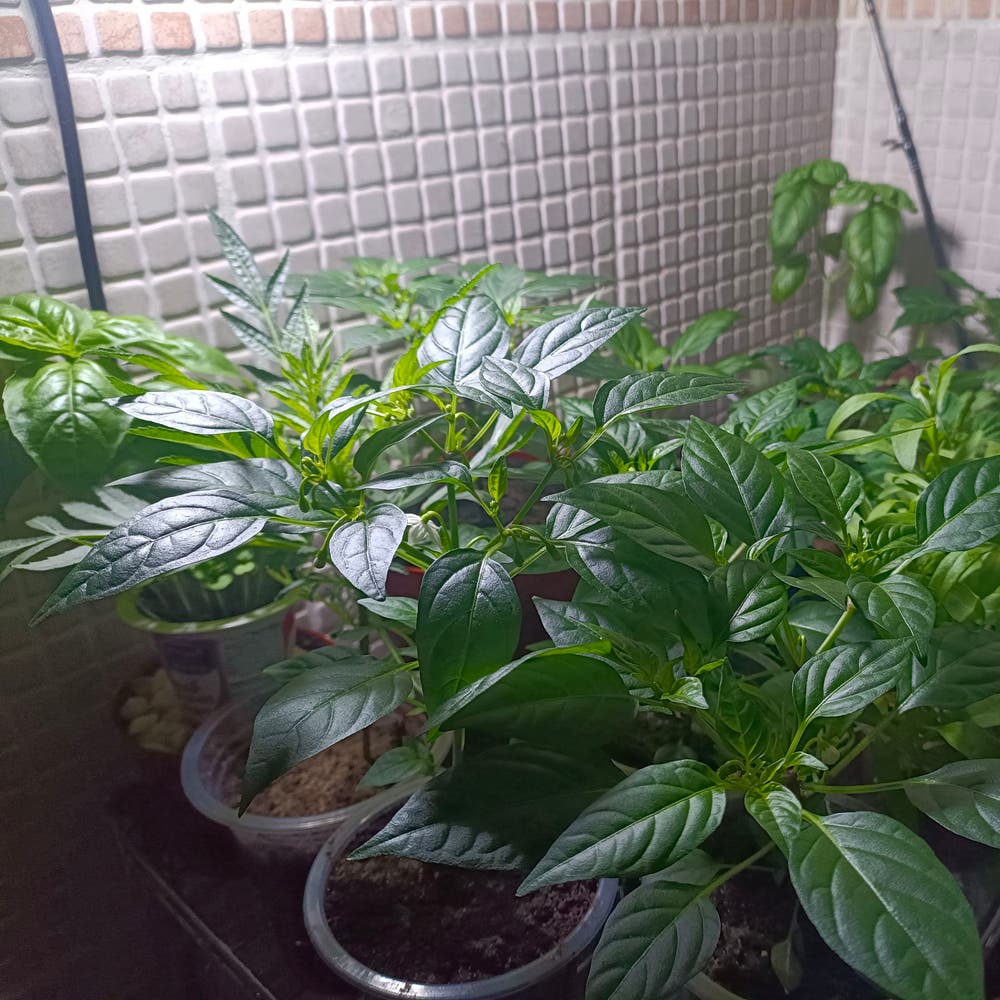
During the seedling stage, French marigolds showcase small, vibrant green leaves that have a delicate structure. These seedlings typically stand at a height of 2 to 4 inches, marking the initial growth phase of this lively plant.
Duration of the Seedling Stage ⏳
This stage lasts approximately 2 to 3 weeks, a crucial period for development. You'll notice the seedlings transitioning as they develop true leaves and sturdier stems, signaling their readiness for the next growth phase.
As these seedlings mature, they lay the groundwork for a robust vegetative growth stage. Understanding this phase helps you appreciate the journey from seed to bloom, setting the stage for the vibrant flowers to come.
Vegetative Growth Stage
🌱 Description of Vegetative Growth
During the vegetative growth stage, French marigolds exhibit rapid leaf development and noticeable stem elongation. This is when the plants really start to take off, reaching heights of 12 to 18 inches.
⏳ Duration and Conditions for Optimal Growth
This stage lasts approximately 4 to 6 weeks, making it a crucial period for the plant's development. For optimal growth, ensure they receive full sun for 6 to 8 hours daily, thrive in well-draining soil, and are watered regularly.
🌿 Key Growth Characteristics
- Leaf Development: Expect lush, green foliage that signals healthy growth.
- Stem Strength: Sturdy stems support the plant as it prepares for the next stages.
⚠️ Importance of Conditions
Providing the right conditions during this stage is essential. Proper sunlight, soil, and watering practices can significantly affect the overall health and vigor of your marigolds.
🌼 Transition to Flowering
As the vegetative stage wraps up, your marigolds will be primed for the flowering stage. Keep an eye out for the upcoming blooms, as they will soon transform your garden into a vibrant display of color.
Flowering Stage
Timeline for Flowering 🌼
The flowering stage of French marigolds is a thrilling time. You can expect your first blooms to appear about 8 to 10 weeks after germination.
As summer transitions to fall, the peak flowering period unfolds, showcasing the plant's vibrant beauty.
Changes in Plant Appearance During Flowering 🌸
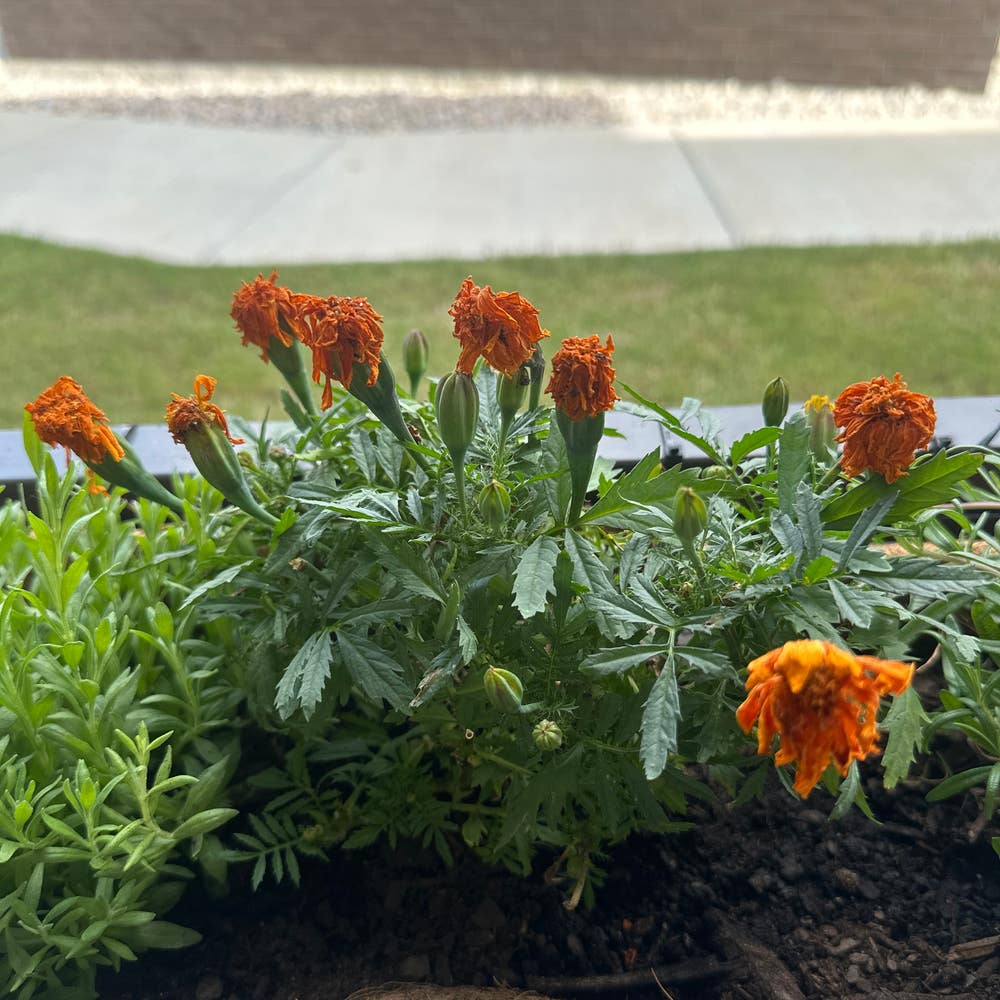
During flowering, you'll witness a stunning transformation. Buds emerge, gradually giving way to bright, lively blooms that can light up any garden.
The color variations are particularly striking, ranging from deep orange to bright yellow, depending on the specific variety you’ve chosen. Each bloom adds a splash of color, making your garden a feast for the eyes.
As you observe these changes, you can't help but feel a sense of accomplishment and joy. The flowering stage is not just about aesthetics; it’s a celebration of growth and vitality.
This vibrant display sets the stage for the next phase: seed production. Let's explore how these beautiful blooms contribute to the lifecycle of French marigolds.
Seed Production Stage
Process of Seed Production 🌼
The seed production stage is a fascinating part of the French marigold lifecycle. Pollination primarily occurs through insects, which play a crucial role in fertilization.
After flowering, seeds begin to form within the flower heads. This process is essential for the continuation of the plant's lifecycle, ensuring future generations.
Duration and Conditions for Seed Maturation ⏳
Seeds take about 4 to 6 weeks to mature after flowering. During this time, warm temperatures and dry conditions are vital for optimal seed drying.
These conditions help ensure that the seeds develop fully, ready for planting in the next growing season. Understanding this stage is key for gardeners looking to propagate their marigolds effectively.
As we explore the growth and maturation of French marigolds, we’ll see how these factors influence their overall lifecycle.
Growth and Maturation
How Long Until Fully Grown? 🌱
From seed to maturity, French marigolds take about 10 to 12 weeks. This relatively quick turnaround makes them a popular choice for gardeners eager to see results.
How Fast Does It Grow? ⚡️
These plants are fast-growing, showcasing noticeable changes every week. You'll be amazed at how quickly they transform from tiny seeds to vibrant blooms.
Factors Affecting Growth Rate 🌍
Several factors can influence the growth rate of French marigolds:
- Environmental Factors: Temperature, sunlight, and soil quality play crucial roles.
- Watering Practices: Consistent moisture is essential, but overwatering can hinder growth.
Notable Changes Throughout Lifecycle 🌼
As the marigold progresses through its lifecycle, you'll observe distinct changes:
- Germination: Tiny seedlings emerge from the soil.
- Seedling: True leaves begin to develop, signaling healthy growth.
- Vegetative: The plant showcases lush green foliage, indicating robust health.
- Flowering: Bright blooms appear, and the plant height increases.
- Seed Production: Dried flower heads form, containing seeds for the next generation.
Physiological Changes During Growth 🧬
As marigolds grow, their physiological needs shift:
- Nutrient Uptake: There's an increased demand for nitrogen during the vegetative stage.
- Energy Allocation: The focus transitions from growth to reproduction during flowering.
Environmental Influences on Lifecycle Stages 🌦️
Environmental conditions significantly impact the lifecycle stages:
- Temperature Fluctuations: These can affect both germination and growth rates.
- Soil Moisture Levels: Maintaining appropriate moisture is critical for seedling health and successful flowering.
Understanding these aspects of growth and maturation can help you cultivate healthier, more vibrant French marigolds. With the right care, you’ll witness their stunning transformation from seed to bloom, enriching your garden with color and life.
⚠️ Safety First
This content is for general information and may contain errors, omissions, or outdated details. It is not medical, veterinary advice, or an endorsement of therapeutic claims.
Always consult a qualified healthcare professional before using any plant as food, medicine, or supplement.
Never eat any plant (or feed one to pets) without confirming its identity with at least two trusted sources.
If you suspect poisoning, call Poison Control (800) 222-1222, the Pet Poison Helpline (800) 213-6680, or your local emergency service immediately.
Spotted an error? Please report it here.
Unlock the vibrant potential of your French marigolds 🌼 by using Greg's tailored reminders and care tips to guide them from seed to stunning bloom in just 10 to 12 weeks!