🌻 8 Steps to a Healthy Indoor French Marigold
Tagetes patula
By the Greg Editorial Team
Aug 24, 2024•4 min read
This article was created with the help of AI so we can cover more plants for you. May contain errors. See one? Report it here.
Elevate your indoor garden with thriving French Marigolds 🌼 by mastering essential care tips for vibrant blooms!
- 🌞 French Marigolds need 6-8 hours of bright, indirect sunlight for optimal growth.
- 💧 Water only when the top inch of soil is dry to prevent overwatering.
- 🐛 Regularly check for pests like aphids; use neem oil for effective management.
General Indoor Care
Light Requirements 🌞
To thrive indoors, French Marigolds need 6-8 hours of bright, indirect sunlight each day. If your plants start looking leggy or produce fewer blooms, it’s a clear sign they’re not getting enough light.
Role of Grow Lights 💡
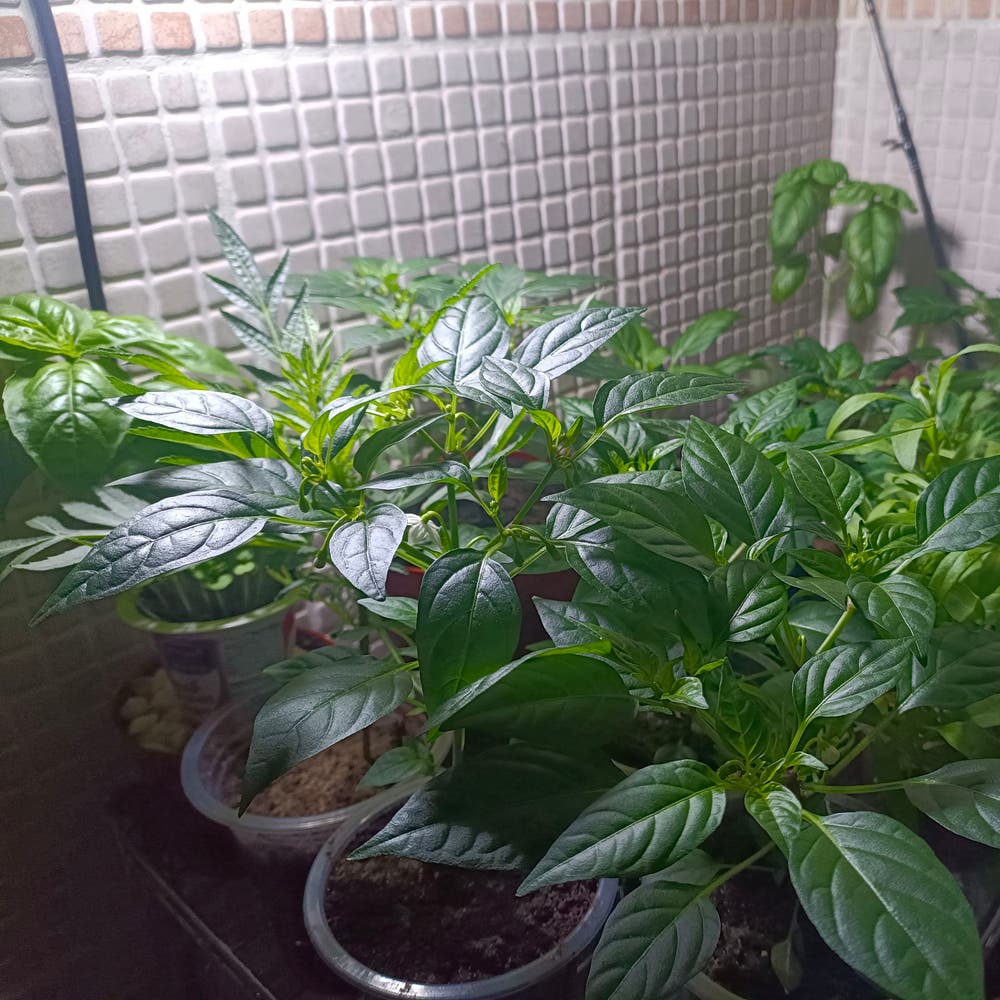
When natural light is scarce, grow lights become essential for indoor growth. They provide the supplemental lighting your marigolds need to flourish.
Choosing the Best Grow Light
There are two main types of grow lights: LED and fluorescent. For small to medium setups, aim for a wattage of 20-40 watts.
- Distance from Plant: Keep the light 12-24 inches away, depending on the type of light you choose.
Watering Needs 🚰
Watering your French Marigolds correctly is crucial for their health. Allow the top inch of soil to dry out between waterings for optimal moisture levels.
- Recommended Method: Water thoroughly until excess drains from the bottom.
Signs of Overwatering and Underwatering
Watch for these signs to gauge your watering habits:
- Overwatering: Look for yellowing leaves, wilting, or root rot.
- Underwatering: Droopy leaves, dry soil, and stunted growth indicate your plants need more water.
Soil and Fertilization 🍽️
Best Soil Type
The right soil can make all the difference. Use a well-draining, fertile potting mix with a pH between 6.0 and 7.0.
- Optional Additions: Consider adding perlite or sand to improve drainage.
Fertilization Schedule
During the growing season, fertilize your marigolds monthly.
- Types of Fertilizers: A balanced NPK fertilizer (10-10-10) works well, or you can opt for organic choices like compost.
With the right light, water, and soil, your indoor French Marigolds will thrive beautifully. Next, let’s explore common issues and solutions to keep your plants healthy and vibrant.
Common Issues and Solutions
🐞 Pest Prevention Strategies
French Marigolds can attract a few common pests, including aphids, spider mites, and whiteflies. Keeping an eye on your plants and acting quickly can help prevent infestations.
Regular inspections are key. Look for any signs of pests, such as discolored leaves or webbing. Maintaining overall plant health through proper watering and light conditions can also deter pests.
If you do spot pests, neem oil is an effective organic solution. It disrupts the life cycle of these pests without harming your plants.
🌱 Common Indoor Problems
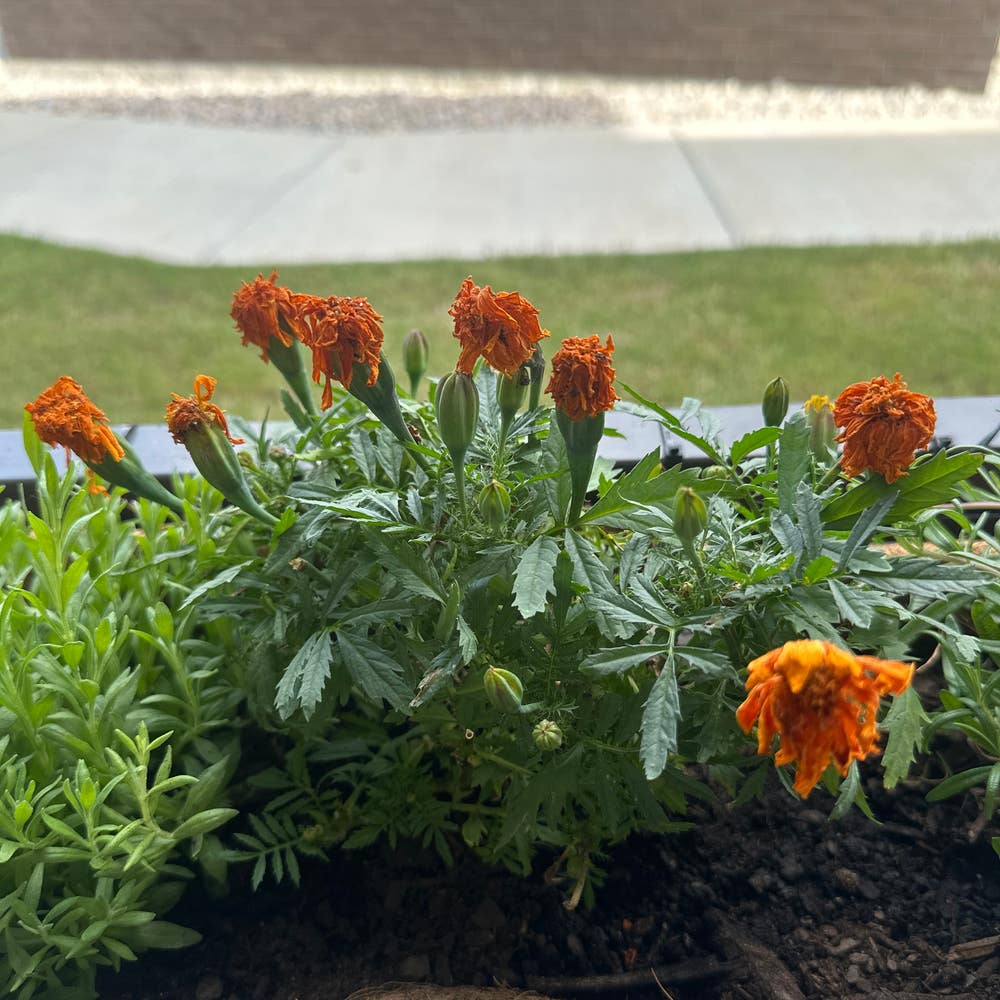
Wilting and yellowing leaves are often the first signs that something's off with your French Marigold. These symptoms can stem from overwatering, underwatering, or insufficient light.
To address these issues, first, evaluate your watering schedule. Ensure you’re allowing the top inch of soil to dry out between waterings. If light is lacking, consider relocating your plant to a brighter spot.
In some cases, repotting may be necessary. This can refresh the soil and provide better drainage, helping your plant thrive.
By staying vigilant and responsive, you can keep your French Marigolds healthy and vibrant. Next, let’s explore the best placement and maintenance tips to ensure your plants flourish indoors.
Placement and Maintenance
Best Placement Within the Home 🌞
For your French Marigolds to thrive, place them near south or west-facing windows. These spots provide the maximum sunlight they crave, ensuring vibrant blooms and healthy growth.
Avoid dark corners or areas with fluctuating temperatures. Consistent light and warmth are key to keeping your plants happy and flourishing.
Tips for Maintaining Plant Appearance ✂️
Regular pruning and deadheading are essential for a bushier appearance and more blooms. Aim to prune every few weeks to encourage new growth and keep your plants looking their best.
Additionally, clean the leaves periodically to prevent dust accumulation. This simple task helps your plants absorb more light and stay healthy.
Seasonal Care Considerations 🌦️
Adjusting care based on the season is crucial for your marigolds' well-being. In winter, reduce watering and fertilization, and consider moving them closer to light sources to combat the shorter days.
During summer, increase watering frequency and keep a close eye out for pests. This proactive approach ensures your marigolds remain vibrant and pest-free throughout the growing season.
With these placement and maintenance tips, your indoor French Marigolds will not only survive but thrive, bringing a splash of color to your home. Next, let’s explore common issues and solutions to keep your plants in top shape.
⚠️ Safety First
This content is for general information and may contain errors, omissions, or outdated details. It is not medical, veterinary advice, or an endorsement of therapeutic claims.
Always consult a qualified healthcare professional before using any plant as food, medicine, or supplement.
Never eat any plant (or feed one to pets) without confirming its identity with at least two trusted sources.
If you suspect poisoning, call Poison Control (800) 222-1222, the Pet Poison Helpline (800) 213-6680, or your local emergency service immediately.
Spotted an error? Please report it here.
Grow stunning indoor French Marigolds 🌼 effortlessly by following these 8 steps, and let Greg guide you with tailored care reminders to keep them thriving all year round!