🌼 5 Plants That Love Growing with French Marigold
Tagetes patula
By the Greg Editorial Team
Aug 24, 2024•5 min read
This article was created with the help of AI so we can cover more plants for you. May contain errors. See one? Report it here.
Boost your garden's health 🌼 with companion planting strategies featuring French marigolds for vibrant, pest-free growth!
- 🌼 French marigolds thrive with basil, tomatoes, peppers, cucumbers, and nasturtiums for optimal growth.
- 🐞 Marigolds repel pests like aphids and nematodes, boosting companion plant productivity.
- 🌿 Companion planting enhances garden health and beauty, creating a vibrant ecosystem.
Best Companion Plants for French Marigold
🌿 Plant 1: Basil
Description and Benefits
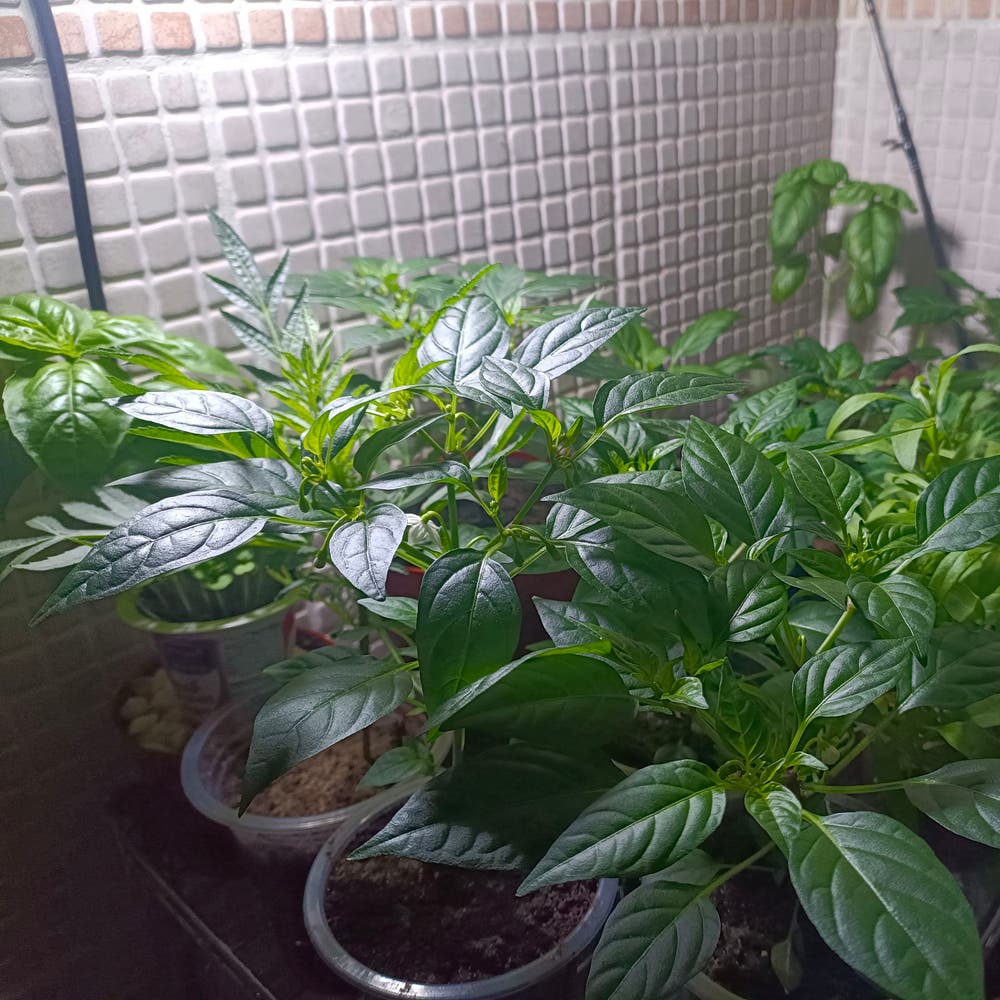
Basil thrives in full sun and well-drained soil, making it an ideal companion for French Marigold. This aromatic herb not only enhances the flavor of nearby vegetables but also repels flies and mosquitoes, boosting overall pest control in your garden.
🍅 Plant 2: Tomatoes
Description and Benefits
Tomatoes prefer similar sunlight and watering needs as marigolds. By planting marigolds alongside them, you can deter nematodes and aphids, leading to an increase in the overall productivity of your tomato plants.
🌶️ Plant 3: Peppers
Description and Benefits
Peppers share the same care requirements as French Marigold, thriving in similar conditions. Marigolds help repel harmful insects that target peppers, while their bright colors create a visually appealing contrast in your garden.
🥒 Plant 4: Cucumbers
Description and Benefits
Cucumbers flourish in the same soil and sunlight conditions as marigolds. Planting marigolds nearby can deter cucumber beetles, protecting your crop while maximizing garden space through efficient planting.
🌼 Plant 5: Nasturtiums
Description and Benefits
Nasturtiums love full sun and well-drained soil, making them a perfect match for marigolds. They attract beneficial insects while repelling aphids, adding vibrant colors and textures to your garden landscape.
These companion plants not only thrive alongside French Marigold but also contribute to a healthier, more productive garden. Next, let’s explore how French Marigold plays a crucial role in pest management.
Pest Management with French Marigold
🌼 How French Marigold Deters Pests
French marigolds are more than just pretty flowers; they contain chemical compounds like thiophenes that repel various pests. These compounds disrupt the sensory systems of insects, making marigolds a natural deterrent in your garden.
🛠️ Integrated Pest Management Strategies
Incorporating marigolds into your garden is a smart move for integrated pest management (IPM). They not only repel pests but also attract beneficial insects, creating a balanced ecosystem that supports plant health.
🐛 Specific Pests Repelled by Marigold
French marigolds are effective against a range of pests, including:
- Nematodes
- Aphids
- Whiteflies
These flowers disrupt the life cycles of these pests, reducing their populations and protecting your crops.
🔄 How Marigolds Disrupt Pest Life Cycles
By emitting specific scents and chemicals, marigolds interfere with the reproductive processes of pests. This disruption leads to fewer pests reaching maturity, ultimately lowering their numbers in your garden.
🌱 Role of Companion Plants in Enhancing Pest Management
Companion planting with marigolds enhances pest management significantly. When paired with other plants, marigolds create a protective barrier that further deters harmful insects.
🤝 Examples of Companion Planting Strategies
Consider planting marigolds alongside tomatoes and peppers. This combination not only boosts pest control but also improves overall plant health and productivity. By working together, these plants create a thriving garden ecosystem.
Incorporating French marigolds into your garden not only beautifies your space but also plays a crucial role in pest management. As we explore the visual appeal and diversity of companion plants next, you'll see how these elements come together to create a vibrant and healthy garden.
Visual Appeal and Garden Diversity
How Companion Plants Enhance Visual Appeal 🌼
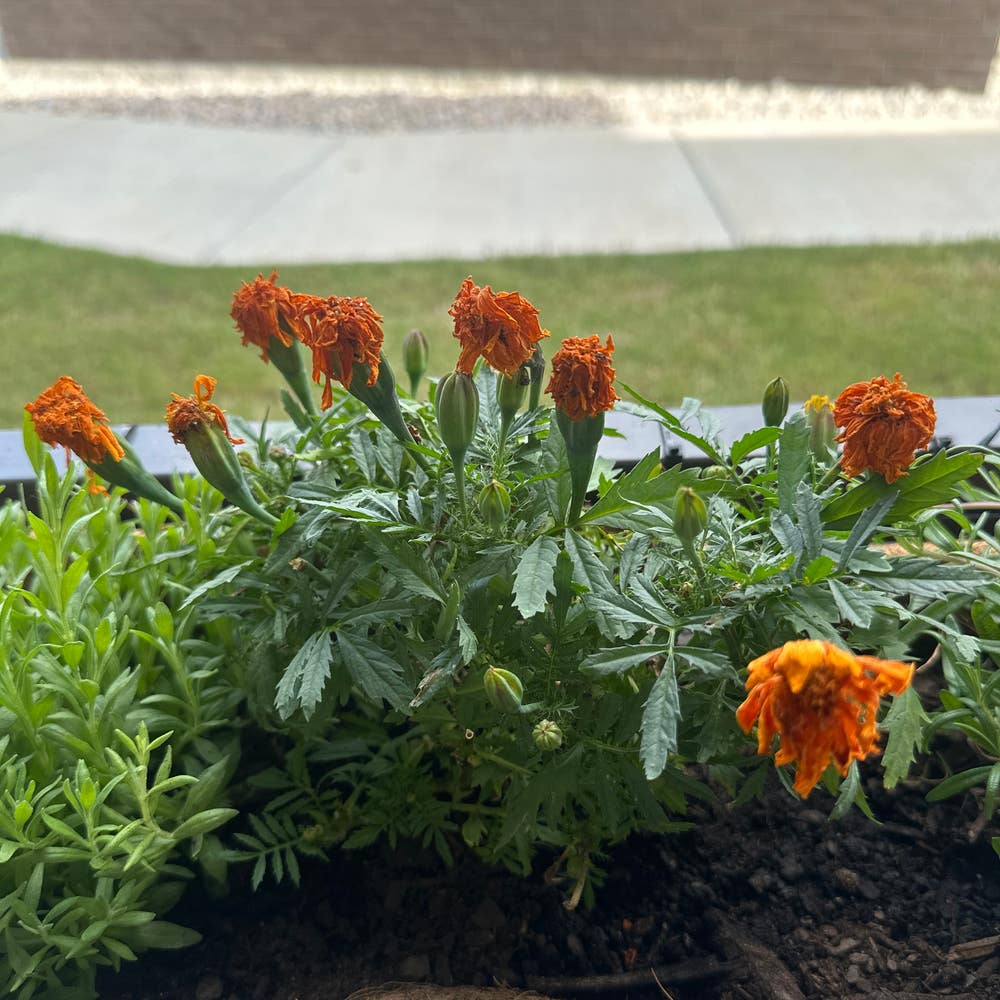
Color and texture variety are essential for a captivating garden design. French marigolds, with their vibrant yellows and oranges, pair beautifully with a range of companion plants, creating stunning visual displays.
For instance, combining marigolds with deep green basil or the bright hues of peppers can create a striking contrast. This not only enhances the aesthetic but also makes your garden a feast for the eyes.
Importance of Garden Diversity in Companion Planting 🌍
Biodiversity plays a crucial role in maintaining soil health and ecosystem stability. A diverse garden can improve nutrient cycling and support beneficial microorganisms.
Moreover, varied plantings can significantly reduce disease and pest issues. By incorporating different species, you create a balanced environment that naturally deters pests, leading to a healthier garden overall.
Incorporating companion plants alongside French marigolds not only beautifies your space but also fosters a thriving ecosystem. This synergy sets the stage for the next topic: understanding how marigolds can effectively manage pests in your garden.
Plants to Avoid Near French Marigold
🚫 List of Plants That Should Not Be Planted with Marigold
When planning your garden, it's essential to know which plants to avoid near French marigolds. Beans and cabbage are two notable examples of sensitive species that may struggle when planted alongside marigolds.
These plants can face challenges due to the marigolds' strong growth habits and chemical properties.
⚠️ Reasons for Avoiding These Plants
Negative interactions can arise when marigolds and certain plants share space. For instance, beans may compete for nutrients and water, leading to stunted growth.
Additionally, some plants can attract pests that specifically target marigolds. This can create a cycle of pest issues that affect the health of your garden.
By understanding these dynamics, you can create a thriving garden ecosystem that maximizes the benefits of companion planting.
As you plan your garden, keep these considerations in mind to ensure your marigolds and their companions flourish together.
⚠️ Safety First
This content is for general information and may contain errors, omissions, or outdated details. It is not medical, veterinary advice, or an endorsement of therapeutic claims.
Always consult a qualified healthcare professional before using any plant as food, medicine, or supplement.
Never eat any plant (or feed one to pets) without confirming its identity with at least two trusted sources.
If you suspect poisoning, call Poison Control (800) 222-1222, the Pet Poison Helpline (800) 213-6680, or your local emergency service immediately.
Spotted an error? Please report it here.
Boost your garden's health and vibrancy 🌼 by planting French marigolds with companions like basil and tomatoes, and let Greg guide you with tailored tips for a flourishing ecosystem!