Getting Your French Marigold to Bloom 🌼
Tagetes patula
By the Greg Editorial Team
Aug 24, 2024•5 min read
This article was created with the help of AI so we can cover more plants for you. May contain errors. See one? Report it here.
Unlock a vibrant garden with blooming French Marigolds 🌼 by mastering their care and secrets for stunning displays!
- 🌼 French Marigolds bloom in vibrant colors, attracting beneficial insects to your garden.
- ☀️ Full sun and consistent watering are key for healthy blooms and growth.
- ✂️ Regular deadheading promotes continuous blooming, ensuring a vibrant garden all season.
Flowering Status
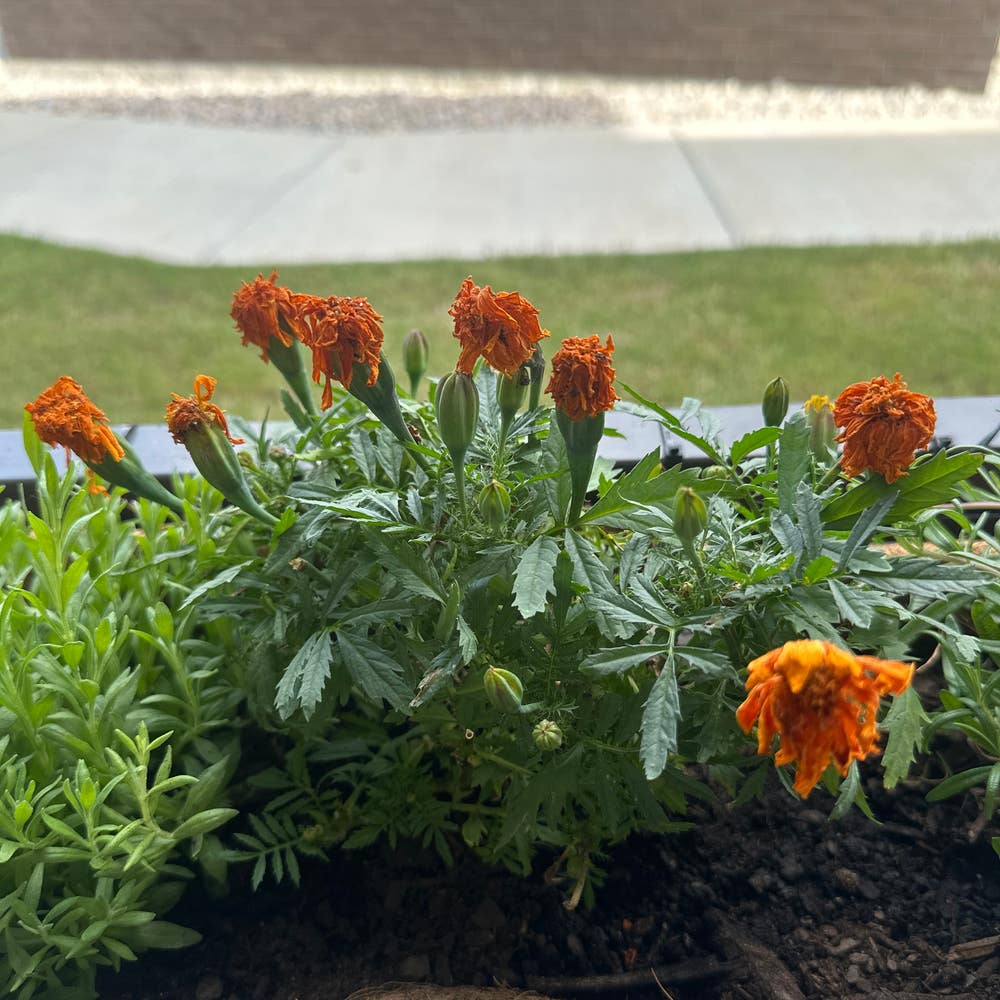
French Marigolds are a vibrant addition to any garden, showcasing stunning flowers in shades of yellow, orange, and red. Their bright colors not only beautify your space but also attract beneficial insects.
However, if your marigolds aren't blooming, it could be due to several factors. Environmental stressors like extreme temperatures or inadequate sunlight can hinder flowering. Additionally, improper care, such as inconsistent watering or poor soil quality, may also play a role.
Understanding these challenges is the first step toward a flourishing garden. With the right conditions and care, your French Marigolds can thrive and produce a spectacular display of blooms.
Flower Characteristics
Description of Colors and Structure 🌈
French Marigolds are a vibrant addition to any garden, showcasing flowers in shades of yellow, orange, red, and even delightful combinations of these colors. Their striking appearance is enhanced by their unique structure: dense clusters of petals form flower spikes, while the petal arrangement features a layered design, with a central disc surrounded by ray florets.
Pollination Methods 🐝
One of the remarkable traits of the French Marigold is its ability to self-pollinate, making it an easy choice for gardeners. While wind and insects can lend a hand, self-pollination is more than sufficient for these resilient flowers to reproduce effectively.
With their stunning colors and efficient pollination methods, French Marigolds not only beautify your space but also thrive with minimal fuss. Next, let’s explore the blooming process and what it takes for these flowers to reach their full glory.
Blooming Process
🌼 Blooming Stages and Typical Bloom Time
The blooming process of French Marigolds unfolds in three distinct stages. First, bud formation marks the initial development of flower buds, setting the stage for the vibrant display to come.
Next is the opening stage, where buds transition into full bloom. Finally, the full bloom stage showcases fully opened flowers, radiating shades of yellow, orange, and red. Typically, these blooms appear from late spring to early fall, depending on the climate.
⏳ Time from Bud Formation to Full Bloom
Once the buds form, you can expect them to bloom in about 2-3 weeks. This relatively quick turnaround makes French Marigolds a rewarding choice for gardeners eager for color.
🌸 Duration of Flower Lifespan
Each individual flower has a lifespan of about 1-2 weeks before wilting. This means regular blooming can keep your garden lively throughout the growing season, as new flowers continuously emerge to replace the old.
With a clear understanding of the blooming process, you can better appreciate the beauty and resilience of French Marigolds. Next, let’s explore how to encourage even more blooms in your garden.
Encouraging Blooms
🌼 Tips on How to Encourage Blooming
To get your French Marigold blooming beautifully, start with optimal sunlight exposure. Aim for full sun, providing 6-8 hours of direct light daily.
Regular deadheading is essential too. By removing spent flowers, you encourage the plant to produce new blooms.
Fertilization plays a key role as well. Use a balanced fertilizer during the growing season to keep your marigolds thriving.
🌱 Factors Influencing Flowering
Soil quality is crucial for vibrant blooms. Ensure your soil is well-draining and nutrient-rich to enhance flowering.
Watering practices also matter. Maintain consistent moisture without waterlogging the roots.
Temperature is another factor to consider. French Marigolds thrive in warm conditions, so be sure to protect them from frost.
By following these tips and understanding the factors that influence flowering, you can create an environment where your French Marigolds flourish. This will set the stage for a vibrant display of color in your garden.
Next, let's explore what happens after the flowering period and how to care for your marigolds post-bloom.
Post-Flowering
What Happens After the Flowering Period 🌼
Once the vibrant blooms of the French Marigold fade, the plant enters an exciting phase: seed production. This transition involves the formation of seed heads, where the spent flowers transform into potential new life.
Does French Marigold Die After Flowering? 🌱
No need to worry—French Marigolds are resilient! They don’t die after flowering; instead, they continue to thrive and can bloom again in subsequent seasons, offering a delightful display year after year.
This ability to persist and regenerate makes them a favorite among gardeners, ensuring that your garden remains lively and colorful. As you care for your Marigolds, remember that their journey doesn’t end with the last bloom; it’s just the beginning of a new cycle.
With this understanding, you can appreciate the ongoing beauty and potential of your French Marigolds, setting the stage for the next section on their unique characteristics.
Unique Aspects
🌼 Unusual Characteristics Related to Flowering
French Marigolds are not just pretty faces; they come with a strong, distinctive scent that acts as a natural pest deterrent. This makes them a fantastic choice for companion planting, helping to protect your garden from unwanted critters.
🤔 Trivia About Reproductive Strategy
One of the most fascinating traits of French Marigolds is their ability to self-pollinate. This reliable reproductive strategy ensures they can thrive in various conditions, making them a resilient addition to any garden.
Additionally, different varieties of French Marigolds showcase unique flowering characteristics. This diversity not only enhances their ornamental appeal but also allows gardeners to choose the perfect match for their landscape.
With these unique aspects in mind, you can appreciate how French Marigolds contribute to both beauty and functionality in your garden. Next, let’s explore what happens after the flowering period and how these vibrant plants continue to thrive.
⚠️ Safety First
This content is for general information and may contain errors, omissions, or outdated details. It is not medical, veterinary advice, or an endorsement of therapeutic claims.
Always consult a qualified healthcare professional before using any plant as food, medicine, or supplement.
Never eat any plant (or feed one to pets) without confirming its identity with at least two trusted sources.
If you suspect poisoning, call Poison Control (800) 222-1222, the Pet Poison Helpline (800) 213-6680, or your local emergency service immediately.
Spotted an error? Please report it here.
Get your French Marigolds to bloom brilliantly 🌼 by using Greg's tailored care reminders and tips, ensuring they receive the sunlight and moisture they crave for a stunning garden!