🔍 Identifying What is Eating Your Dwarf Mondo Grass
Ophiopogon japonicus 'Nana'
By the Greg Editorial Team
Oct 16, 2024•6 min read
This article was created with the help of AI so we can cover more plants for you. May contain errors. See one? Report it here.
- 🌱 Dwarf Mondo Grass attracts herbivores like deer, rabbits, and squirrels—know the signs!
- 🚫 Effective deterrents include repellents, fences, and companion plants to protect your grass.
- 🐾 Regular monitoring for herbivore activity is essential for maintaining Dwarf Mondo Grass health.
Most Appealing Parts to Animals
🌿 Description and Appearance
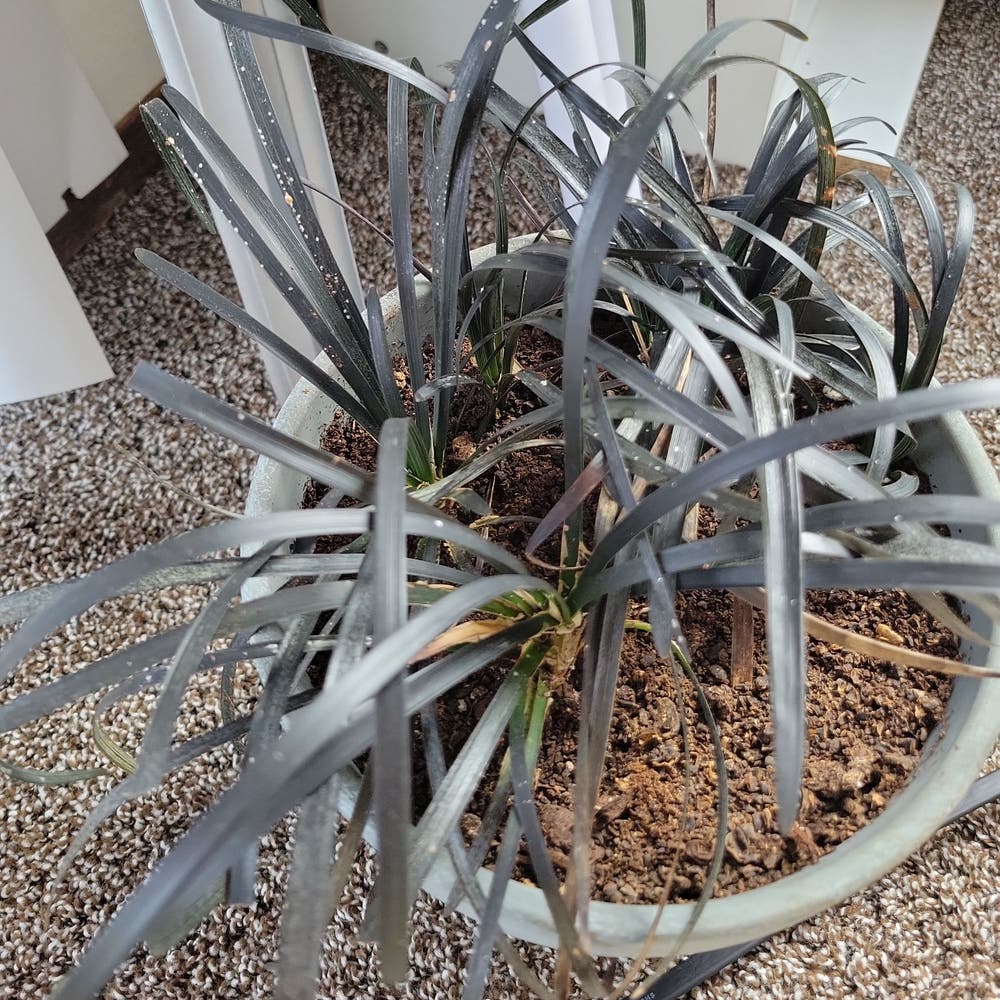
Dwarf Mondo Grass is a low-growing, evergreen perennial that captivates with its dense, dark green foliage. Typically reaching heights of 6 to 12 inches, this grass creates a lush carpet that many herbivores find irresistible.
Young shoots and delicate flowers are particularly attractive to animals. These tender parts are often the first targets for hungry herbivores, making them crucial to the plant's overall appeal.
Understanding these characteristics can help gardeners anticipate which animals might be drawn to their Dwarf Mondo Grass. By recognizing its attractive features, you can take proactive steps to protect your plants from potential damage.
As we explore the common herbivores that affect Dwarf Mondo Grass, you'll gain insights into how to safeguard your garden while appreciating the beauty of this resilient plant.
Common Herbivores Affecting Dwarf Mondo Grass
🦌 Deer
Signs of Presence and Damage Caused
Deer are notorious for their impact on Dwarf Mondo Grass. Look for hoof prints in muddy areas and ragged edges on leaves, indicating browsing activity.
Beneficial vs. Harmful Interactions
While deer can be a beautiful sight in nature, their presence is generally harmful. Without management, they can decimate grass populations.
Deterrent Methods
To keep deer at bay, consider using commercial deer repellents. Additionally, planting deer-resistant species nearby can create a natural barrier.
🐇 Rabbits
Signs of Presence and Damage Caused
Rabbits leave small, round droppings and often nibble on leaves. Cleanly cut stems are a telltale sign of their feeding habits.
Beneficial vs. Harmful Interactions
Rabbits are generally harmful to Dwarf Mondo Grass. Their feeding can lead to significant damage, threatening the health of your garden.
Deterrent Methods
Bitter-tasting sprays can deter rabbits effectively. For a more physical barrier, consider fencing that stands 2-3 feet high.
🐿️ Squirrels
Signs of Presence and Damage Caused
Squirrels can be sneaky culprits, leaving chewed leaves and digging around the base of the grass. This behavior can disturb roots and lead to leaf loss.
Beneficial vs. Harmful Interactions
Squirrels are generally harmful, disrupting the growth and health of your plants. Their playful antics can quickly turn into a gardening nightmare.
Deterrent Methods
Capsaicin-based sprays can help keep squirrels away. You might also try scare tactics, like reflective objects, to deter them.
🐦 Birds
Signs of Presence and Damage Caused
Birds can be both friends and foes. Look for peck marks on leaves and scattered seeds, which indicate their presence.
Beneficial vs. Harmful Interactions
Birds have mixed interactions with Dwarf Mondo Grass. While some help control pests, others can cause damage to seedlings and spread diseases.
Deterrent Methods
Bird repellents can be effective in keeping unwanted birds away. Alternatively, using netting or reflective tape can protect your plants.
🐭 Rodents (Mice, Voles) and Groundhogs/Woodchucks
Signs of Presence and Damage Caused
Rodents leave behind tunnels or burrows, droppings, and chewed foliage. Their activity can gnaw roots and cause extensive damage to your grass.
Beneficial vs. Harmful Interactions
These creatures are generally harmful, often leading to significant plant damage. Their presence can wreak havoc in your garden.
Deterrent Methods
For rodent control, consider using bait stations. Organic methods like traps and planting deterrent herbs can also be effective.
Understanding these common herbivores and their impacts on Dwarf Mondo Grass is crucial for maintaining a healthy garden. Next, we’ll explore the beneficial animals that contribute positively to your garden ecosystem.
Beneficial Animals and Ecosystem Roles
🌼 Positive Impacts on the Garden Ecosystem
While herbivores can pose challenges, beneficial animals play a crucial role in maintaining a healthy garden ecosystem. Pollinators like bees and butterflies are attracted to the flowers of dwarf mondo grass, helping to facilitate the reproduction of various plants.
These pollinators not only enhance the beauty of your garden but also contribute to the overall biodiversity. Additionally, predatory insects, such as ladybugs and lacewings, help control pest populations, keeping harmful insects in check.
Encouraging these beneficial creatures can create a balanced environment. By fostering a diverse ecosystem, you can enjoy a thriving garden while minimizing the impact of herbivores.
🦋 Embracing Nature's Helpers
Integrating beneficial animals into your gardening strategy can lead to a more resilient landscape. Consider planting flowers that attract pollinators and providing habitats for predatory insects.
This approach not only supports the ecosystem but also enhances the beauty and productivity of your garden. By recognizing the positive roles these animals play, you can create a harmonious balance that benefits both your plants and the wildlife around them.
As you cultivate your garden, remember that every creature has its place. This understanding will help you navigate the challenges posed by herbivores while celebrating the contributions of beneficial animals.
Next, let’s explore general strategies for protecting your dwarf mondo grass from unwanted herbivore interactions.
General Strategies for Protection
🛡️ Preventive Measures for Protecting Dwarf Mondo Grass
Regular monitoring is key to keeping your Dwarf Mondo Grass safe. Check for signs of herbivore activity, such as nibbled leaves or tracks, to catch any issues early.
Planting companion plants can also be a game changer. Choose species that deter herbivores, creating a natural barrier around your grass.
⚠️ Reactive Solutions for Managing Animal Interactions
When you notice signs of damage, take immediate action. Use deterrents like sprays or physical barriers to protect your plants right away.
Repairing damage is equally important. Replant and nurture affected areas to help them bounce back quickly.
🌱 Balancing Garden Ecosystem While Deterring Herbivores
Emphasizing coexistence is crucial. Recognize that while herbivores can be a nuisance, they also play a role in the ecosystem.
Implement integrated pest management strategies to find a balance. This approach allows you to protect your plants while maintaining a healthy garden environment.
By combining these strategies, you can create a thriving space that benefits both your Dwarf Mondo Grass and the surrounding wildlife.
Seasonal Considerations
🐾 Seasonal Variations in Animal Attraction to Dwarf Mondo Grass
As spring rolls in, animal activity ramps up significantly. Herbivores emerge from hibernation, eager to munch on fresh growth, making your Dwarf Mondo Grass particularly appealing.
Summer marks the peak feeding season for many of these creatures. With lush foliage available, they can cause considerable damage if not monitored closely.
⏰ Timing of Preventive Measures Based on Seasonal Behavior
To protect your grass, implement barriers and deterrents in early spring. This proactive approach helps safeguard your plants before herbivores hit their peak feeding frenzy.
By late summer, it's crucial to keep an eye out for signs of damage. Animals begin preparing for winter, and their foraging habits can lead to increased nibbling on your beloved grass.
Understanding these seasonal patterns allows you to take timely action, ensuring your Dwarf Mondo Grass remains healthy and vibrant throughout the year.
Toxicity and Safety
🐾 Discussion of Any Toxic Effects Dwarf Mondo Grass Might Have on Animals
Dwarf Mondo Grass is generally non-toxic, posing minimal risk to most animals. This makes it a safe choice for gardens frequented by pets and wildlife.
However, excessive consumption can lead to digestive issues in some herbivores. While it’s not a primary concern, it’s worth noting that moderation is key for any plant-based diet.
Understanding the safety profile of Dwarf Mondo Grass allows gardeners to enjoy its beauty without worrying about harmful effects on their furry friends.
As we explore the various interactions between plants and animals, it's essential to consider how to protect our gardens while maintaining a healthy ecosystem.
⚠️ Safety First
This content is for general information and may contain errors, omissions, or outdated details. It is not medical, veterinary advice, or an endorsement of therapeutic claims.
Always consult a qualified healthcare professional before using any plant as food, medicine, or supplement.
Never eat any plant (or feed one to pets) without confirming its identity with at least two trusted sources.
If you suspect poisoning, call Poison Control (800) 222-1222, the Pet Poison Helpline (800) 213-6680, or your local emergency service immediately.
Spotted an error? Please report it here.
Protect your Dwarf Mondo Grass from pesky herbivores 🐾 by using Greg's tailored care tips and monitoring features to ensure your garden thrives!