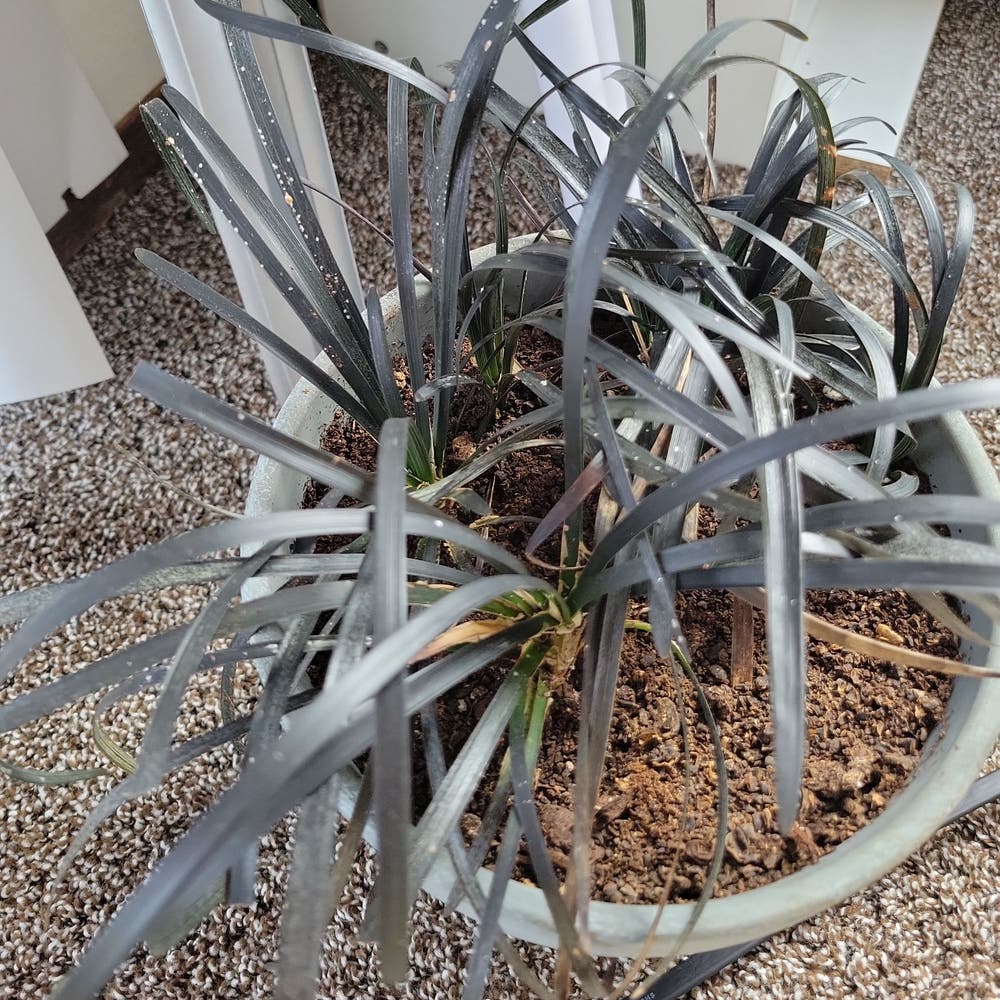
Dwarf Mondo Grass Care: Preventing and Treating Root Rot 💧
Ophiopogon japonicus 'Nana'
By the Greg Editorial Team
Oct 16, 2024•5 min read
This article was created with the help of AI so we can cover more plants for you. May contain errors. See one? Report it here.
- 💧 Proper watering techniques are vital to prevent root rot in Dwarf Mondo Grass.
- 🌱 Use well-draining soil and pots with drainage holes for healthy roots.
- 🔍 Identify root rot early by monitoring for yellowing leaves and mushy roots.
Preventing Root Rot
💧 Importance of Proper Watering Techniques
Watering is crucial for the health of your Dwarf Mondo Grass. Allow the soil to dry out between waterings to prevent root rot.
Monitor your plant closely for signs of overwatering. Leaf color changes and soggy soil are key indicators that you might be giving your grass too much water.
To check soil moisture, use the finger test. Insert your finger up to 2 inches deep; if it feels dry, it’s time to water.
🪴 Soil Selection and Drainage Solutions
Choosing the right soil is essential for preventing root rot. Opt for a well-draining potting mix or sandy loam to promote healthy root growth.
You can enhance drainage by incorporating perlite or sand into your potting soil. This helps prevent water from pooling around the roots.
When selecting containers, always choose pots with drainage holes. This simple step can significantly reduce the risk of water accumulation.
🌬️ Environmental Factors Contributing to Root Rot
Light conditions play a vital role in your plant's health. Ensure your Dwarf Mondo Grass receives adequate light but avoid direct harsh sunlight, which can stress the plant.
Air circulation is another important factor. Maintaining airflow around your plant helps reduce humidity levels, which can contribute to root rot.
Lastly, keep an eye on temperature fluctuations. Avoid exposing your grass to extreme temperature changes to promote a stable growing environment.
By implementing these preventive measures, you can significantly reduce the risk of root rot in your Dwarf Mondo Grass. Next, let’s explore how to treat root rot effectively if it does occur.
Treating Root Rot
Step-by-Step Treatment Process 🌱
Identifying root rot early is crucial. Look for symptoms like yellowing leaves, wilting, or a foul smell from the soil.
Once you've spotted the problem, it's time to act. Remove the plant from its pot and gently shake off any excess soil.
Next, inspect the roots carefully. Use sterilized scissors to trim away any blackened or mushy roots, as these are signs of decay.
After that, rinse the healthy roots under water. This helps remove any lingering pathogens that could cause further issues.
Recommended Fungicides and Treatments 💊
When it comes to treating root rot, fungicides can be a game-changer. There are two main types: systemic fungicides, which are absorbed by the plant, and contact fungicides, which act on contact.
Always follow the label instructions for application methods to ensure effectiveness.
If you prefer natural alternatives, consider using neem oil or cinnamon. Both have antifungal properties that can help combat root rot without harsh chemicals.
Repotting Techniques for Affected Plants 🪴
Choosing the right pot is essential for recovery. Select a container with good drainage to prevent future water accumulation.
Next, prepare a fresh soil mix. A well-draining potting mix is ideal for promoting healthy root growth.
Finally, when replanting, position the plant at the same depth as before. This helps maintain stability and encourages new growth.
By following these steps, you can effectively treat root rot and give your Dwarf Mondo Grass a chance to thrive again. Transitioning to post-treatment care will ensure your plant continues on the path to recovery.
Diagnosing Root Rot
🔍 Visual Inspection Methods
Checking the leaf color and texture is your first step in diagnosing root rot. Look for yellowing or wilting leaves, which are clear signs of distress.
Next, observe the soil condition. If it feels overly wet or compacted, it may indicate that your plant is sitting in waterlogged soil, a prime environment for root rot.
🧑🔬 Root Examination Techniques
To get a clearer picture, gently remove the soil around the roots. This allows you to inspect them thoroughly for any signs of damage.
When examining the roots, differentiate between healthy and unhealthy ones. Healthy roots are typically firm and white, while unhealthy roots appear blackened or mushy.
🆚 Differentiating Root Rot from Other Plant Issues
It's crucial to compare symptoms to distinguish root rot from other problems. Look for pest infestations or nutrient deficiencies that may present similar signs.
Conducting a soil test can also be beneficial. Assessing pH and nutrient levels helps identify other potential issues affecting your plant's health.
By mastering these diagnostic techniques, you can effectively tackle root rot and ensure your Dwarf Mondo Grass thrives. Next, let’s explore how to treat root rot effectively.
Post-Treatment Care
Recovery Care for Dwarf Mondo Grass 🌱
After treating root rot, it's crucial to adjust your watering habits. Gradually reintroduce water to the soil, allowing it to dry out slightly between waterings to prevent over-saturation.
Fertilization also plays a key role in recovery. Use a diluted, balanced fertilizer to give your Dwarf Mondo Grass the nutrients it needs to bounce back.
Monitoring Plant Health After Treatment 👀
Keep a close eye on your plant's progress. Regular inspections will help you spot new growth and signs of improvement, indicating that your care is paying off.
Be prepared to adjust your care routines as needed. Modifying watering and light exposure can make a significant difference in your plant's recovery journey.
Long-Term Care Strategies to Prevent Recurrence 🔄
Establishing a consistent watering schedule is essential for long-term health. Stick to best practices to keep your Dwarf Mondo Grass thriving.
Regular soil checks are also important. Ensure proper drainage and aeration to prevent future issues.
Finally, don't forget about seasonal maintenance. Adjust your care based on seasonal changes and your plant's specific needs to keep it healthy year-round.
With these strategies in place, your Dwarf Mondo Grass will be well-equipped to flourish, minimizing the risk of root rot in the future.
⚠️ Safety First
This content is for general information and may contain errors, omissions, or outdated details. It is not medical, veterinary advice, or an endorsement of therapeutic claims.
Always consult a qualified healthcare professional before using any plant as food, medicine, or supplement.
Never eat any plant (or feed one to pets) without confirming its identity with at least two trusted sources.
If you suspect poisoning, call Poison Control (800) 222-1222, the Pet Poison Helpline (800) 213-6680, or your local emergency service immediately.
Spotted an error? Please report it here.
Keep your Dwarf Mondo Grass root rot-free 🌿 by using Greg's tailored watering reminders and expert tips to ensure it thrives in your home!