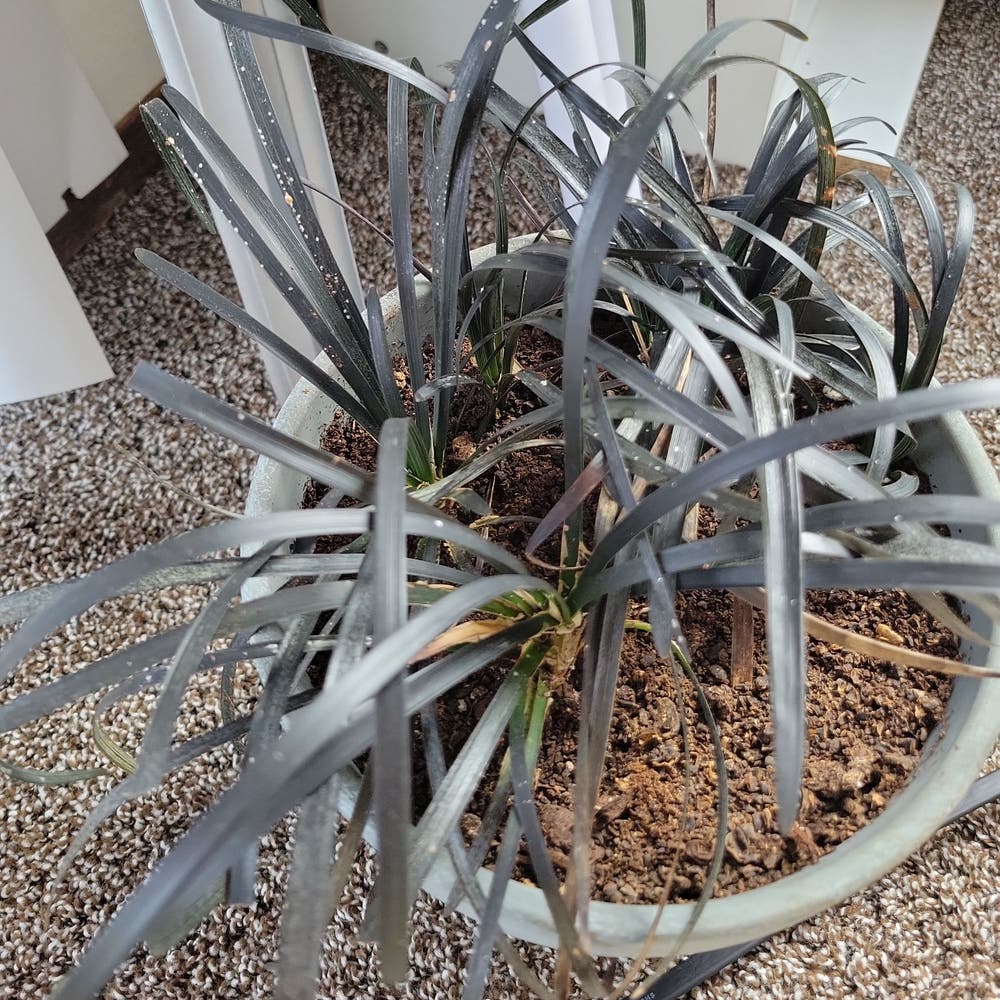
Dwarf Mondo Grass: Not an Annual 🐢
Ophiopogon japonicus 'Nana'
By the Greg Editorial Team
Oct 16, 2024•4 min read
This article was created with the help of AI so we can cover more plants for you. May contain errors. See one? Report it here.
- 🌱 Dwarf Mondo Grass is a perennial, thriving year-round with lush foliage.
- 🌿 Ideal for shady areas, it adapts to various soil types and conditions.
- 🌼 Slow-growing yet resilient, it spreads through rhizomes, not seeds, ensuring longevity.
Dwarf Mondo Grass as a Perennial
🌱 Genetic Characteristics
Dwarf Mondo Grass, scientifically known as Ophiopogon japonicus 'Nana', is classified as a perennial due to its unique genetic traits. Its genetic makeup includes adaptations that enhance its ability to survive over the long term, making it a resilient choice for gardens.
🍃 Physiological Traits Supporting Perennial Classification
One of the standout features of Dwarf Mondo Grass is its evergreen nature, allowing it to retain lush foliage throughout the year. This grass forms dense clumps through rhizomes, which not only contribute to its aesthetic appeal but also enhance its adaptability to various soil types and conditions.
📅 Long-term Lifecycle and Growth Patterns
Dwarf Mondo Grass has a slow growth rate, establishing itself gradually, which contributes to its resilience. It experiences seasonal behavior, entering dormancy in winter and re-emerging vibrantly in spring, allowing it to thrive for many years in suitable conditions.
🌼 Reproductive Strategies
While it produces small, inconspicuous flowers, Dwarf Mondo Grass typically blooms in late summer. Its seed production is limited compared to annuals; instead, it primarily spreads through rhizomes, ensuring its continued presence in the garden.
❓ Misconceptions and Exceptions
Environmental stress and poor soil quality can lead to misclassification as an annual. Additionally, regional variations, such as climate impacts and local gardening practices, can affect its classification, often resulting in misconceptions about its growth due to a lack of flowering or poor overall performance.
Understanding these characteristics and behaviors of Dwarf Mondo Grass can help gardeners appreciate its perennial nature. This knowledge sets the stage for exploring its implications in garden design, where its unique traits can be effectively utilized.
Garden Design Implications
Benefits in Perennial Gardens 🌿
Dwarf Mondo Grass is a fantastic choice for perennial gardens due to its aesthetic appeal. This low-growing, evergreen ground cover adds a lush, green carpet that enhances any landscape.
Its resilience is another major advantage. Dwarf Mondo Grass thrives in shady areas and adapts well to various soil types, making it a versatile option for diverse garden settings.
Planning Garden Layouts 🗺️
When designing your garden, consider companion planting. Pairing Dwarf Mondo Grass with other perennials can create visual interest and a harmonious look.
Layering is also key in garden design. Use height and texture variations to create depth, allowing Dwarf Mondo Grass to complement taller plants beautifully.
Seasonal Considerations for Planting 🌱
Timing is crucial for establishing perennials like Dwarf Mondo Grass. Early spring or fall are ideal for planting, as these seasons provide the best conditions for root establishment.
Maintenance routines should be seasonal to promote health. Regular care, including watering and mulching, will ensure your Dwarf Mondo Grass remains vibrant and thriving throughout the year.
Incorporating Dwarf Mondo Grass into your garden design not only enhances its beauty but also supports a sustainable ecosystem. As you plan your garden, keep these tips in mind to create a flourishing space that lasts.
Management and Longevity
Tips for Maximizing Longevity 🌱
Maintaining soil health is crucial for Dwarf Mondo Grass. Regular amendments, such as compost or organic fertilizers, help keep the soil fertile and support robust growth.
Watering practices also play a significant role. Aim for consistent moisture without waterlogging, as soggy conditions can lead to root rot.
Best Practices for Maintaining Health 🌿
Pruning is essential for encouraging new growth. Regularly remove dead foliage to keep your grass looking fresh and vibrant.
Fertilization should be balanced during the growing season. This ensures that Dwarf Mondo Grass receives the nutrients it needs to thrive.
Common Challenges and Solutions 🐛
Pest management is a common concern. Identifying and controlling pests early can prevent significant damage to your plants.
Disease prevention is equally important. Implementing best practices, like ensuring good air circulation and avoiding overcrowding, can help you steer clear of fungal issues.
With these management strategies, your Dwarf Mondo Grass can flourish for years to come. Next, let’s explore the garden design implications of incorporating this resilient perennial into your landscape.
⚠️ Safety First
This content is for general information and may contain errors, omissions, or outdated details. It is not medical, veterinary advice, or an endorsement of therapeutic claims.
Always consult a qualified healthcare professional before using any plant as food, medicine, or supplement.
Never eat any plant (or feed one to pets) without confirming its identity with at least two trusted sources.
If you suspect poisoning, call Poison Control (800) 222-1222, the Pet Poison Helpline (800) 213-6680, or your local emergency service immediately.
Spotted an error? Please report it here.
Transform your garden with evergreen beauty 🌿 by using Greg's tailored care tips to keep your Dwarf Mondo Grass thriving all year round!