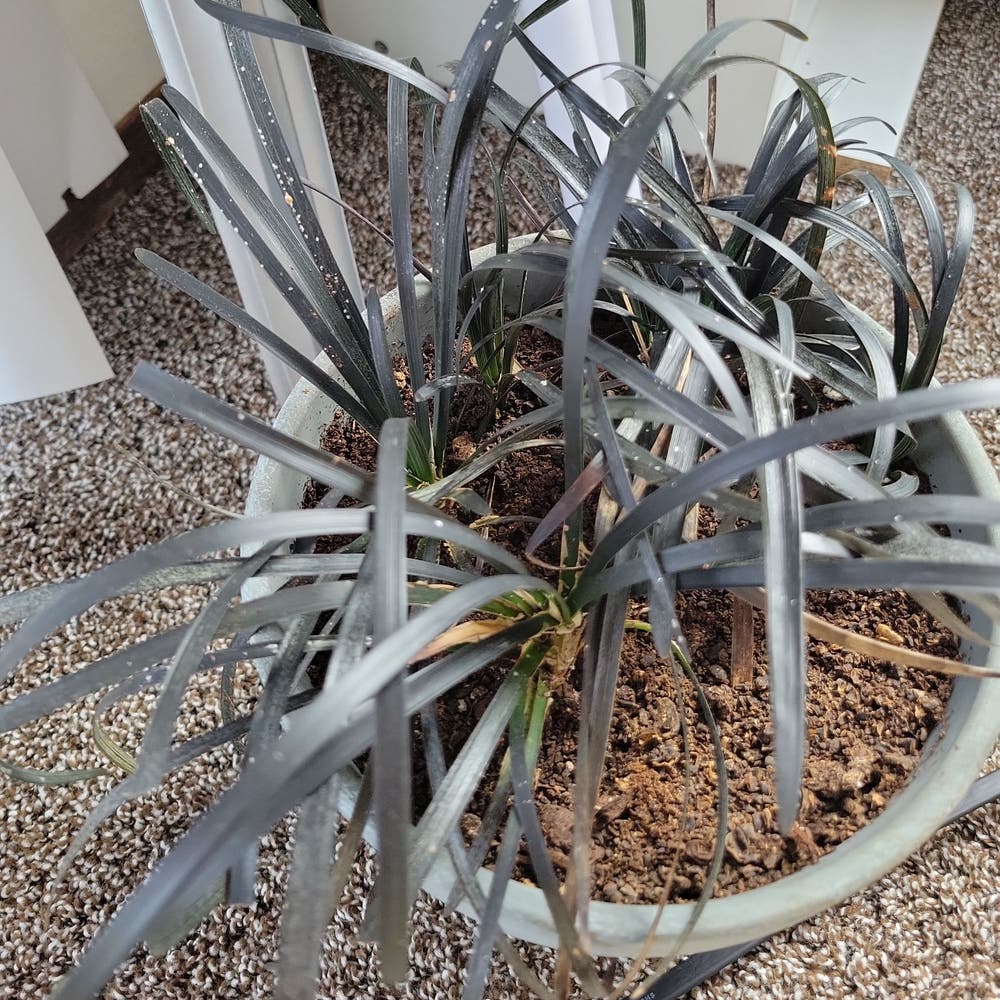
Best Tips for Dropping Leaves on Dwarf Mondo Grass 🍃
Ophiopogon japonicus 'Nana'
By the Greg Editorial Team
Oct 16, 2024•7 min read
This article was created with the help of AI so we can cover more plants for you. May contain errors. See one? Report it here.
- 🌡️ Extreme temperatures and insufficient light cause Dwarf Mondo Grass to drop leaves.
- 💧 Overwatering and poor drainage lead to yellowing leaves and leaf drop issues.
- 🐛 Pest infestations and nutrient deficiencies weaken grass health, prompting leaf loss.
Causes of Leaf Drop
🌡️ Environmental Stress Factors
Extreme temperatures can wreak havoc on Dwarf Mondo Grass, causing leaves to drop. Both scorching heat and freezing cold stress the plant, leading to a decline in health.
Insufficient light is another culprit. Fluctuations in light levels can hinder growth, making it crucial to provide consistent lighting conditions.
Soil compaction also plays a significant role. When soil becomes compacted, it limits root growth and water absorption, further stressing the plant.
💧 Overwatering and Poor Drainage
Overwatering is a common issue that can lead to leaf drop. Symptoms include yellowing leaves, which indicate root stress, and wilting despite wet soil, a classic sign of root rot.
Proper soil drainage is essential for healthy grass. Ideally, Dwarf Mondo Grass thrives in well-drained, loamy soil to prevent waterlogging.
🐛 Pest Infestations
Pest infestations can significantly impact the health of Dwarf Mondo Grass. Common pests include aphids, which leave a sticky residue and cause leaves to curl, and spider mites, identifiable by fine webbing and stippled leaves.
These pests weaken the plant through feeding damage, ultimately leading to leaf drop. Regular monitoring can help catch these issues early.
🥦 Nutrient Deficiencies
Nutrient deficiencies can also cause leaf drop. Key nutrients for Dwarf Mondo Grass include nitrogen, essential for vibrant leaf growth, and potassium, which supports overall health and disease resistance.
Symptoms of nutrient deficiencies often manifest as pale or yellowing leaves, signaling a lack of essential nutrients that the plant needs to thrive.
🍄 Fungal Diseases
Fungal diseases pose a serious threat to Dwarf Mondo Grass. Common issues include root rot, often caused by overwatering and poor drainage, and leaf spot, which presents as dark spots on leaves.
Discolored leaves, particularly those with brown or black spots, are clear indicators of fungal infections. Addressing these problems promptly is vital for maintaining plant health.
Understanding these causes of leaf drop is the first step in ensuring your Dwarf Mondo Grass remains lush and vibrant. Next, we’ll explore how to diagnose these issues effectively.
Diagnosing Leaf Drop Issues
Identifying Symptoms 🌿
Recognizing the signs of leaf drop is crucial for timely intervention. Look for yellowing or browning leaves, which often indicate stress or disease.
Leaf curling can also be a red flag, frequently pointing to pest issues or environmental stress. Keeping an eye on these symptoms can help you act before the situation worsens.
Assessing Soil Conditions 🌱
Understanding your soil's moisture is key to diagnosing leaf drop. Use a moisture meter or your finger to check the soil's wetness.
The ideal moisture level is moist but not soggy. This balance ensures your Dwarf Mondo Grass has the right conditions for healthy growth.
Checking for Pests 🐞
Inspecting for pests is another vital step in diagnosing leaf drop. Look under the leaves and at the base of the plant for any unwanted visitors.
Using a magnifying glass can help you identify small insects like aphids and spider mites. Early detection can save your grass from significant damage.
Evaluating Watering Practices 💧
Your watering practices can greatly impact leaf health. Aim to water deeply but infrequently to encourage strong root growth.
Be alert for signs of overwatering, such as soil that remains wet for extended periods. Adjusting your watering schedule can make a world of difference in preventing leaf drop.
By carefully diagnosing these issues, you can take proactive steps to keep your Dwarf Mondo Grass thriving. Next, we'll explore effective strategies for preventing leaf drop altogether.
Preventing Leaf Drop
💧 Proper Watering Techniques
Watering is crucial for maintaining healthy Dwarf Mondo Grass. Aim to water early in the morning; this minimizes evaporation and ensures the grass gets the moisture it needs.
Make sure the water penetrates to the root zone without causing waterlogging. This balance is essential for preventing leaf drop.
🌱 Soil Management and Drainage Solutions
Improving soil drainage can significantly enhance the health of your grass. Incorporate organic matter, like compost, to improve soil structure and promote better drainage.
Using mulch is another effective strategy. It helps retain moisture while preventing soil compaction, creating a healthier environment for your grass.
🌼 Fertilization Guidelines
A well-planned fertilization schedule is key to preventing nutrient deficiencies. Apply a balanced fertilizer in early spring and late summer to support robust growth.
Consider using slow-release fertilizers. They provide a steady supply of nutrients, ensuring your Dwarf Mondo Grass remains vibrant and healthy.
🐞 Pest Control Measures
Preventative pest management is essential for keeping your grass thriving. Regularly inspect your plants for early signs of infestations, as catching issues early can save you a lot of trouble.
Utilize insecticidal soap or neem oil as a preventive measure. These options are effective and can help keep pests at bay without harming your grass.
By implementing these preventive measures, you can significantly reduce the risk of leaf drop. This proactive approach sets the stage for a lush, healthy lawn that thrives year-round.
Treating Leaf Drop Problems
🌊 Step-by-Step Treatment for Overwatering
Assess Soil Moisture Levels: Start by using a moisture meter to gauge how wet your soil really is. This tool helps you avoid guesswork and ensures you’re making informed decisions.
Adjust Watering Schedule: If the soil is consistently soggy, it’s time to cut back on watering. Aim for deeper, less frequent watering to encourage strong root growth.
Improve Drainage: Consider amending your soil with sand or perlite. This will enhance drainage and prevent water from pooling around the roots.
🐛 Pest Management Strategies
Identification and Removal
- Hand-Picking Pests: Regularly inspect your Dwarf Mondo Grass for pests. Hand-picking larger pests or using a strong water spray can effectively dislodge them.
Chemical Treatments
- Insecticidal Soap or Neem Oil: If pests persist, apply insecticidal soap or neem oil as needed. These treatments are effective and can help keep your grass healthy.
🥦 Addressing Nutrient Deficiencies
Soil Testing
- Conduct a Soil Test: To understand what nutrients your grass may be lacking, perform a soil test. This will provide valuable insights into your soil's health.
Fertilization Adjustments
- Apply Specific Fertilizers: Based on your soil test results, choose fertilizers that address the identified deficiencies. This targeted approach will help your grass thrive.
🍄 Fungal Disease Treatments
Treatment Options
Remove Affected Leaves: To prevent the spread of fungal diseases, promptly remove any affected leaves. This simple step can make a significant difference.
Apply Fungicides: For severe infections, apply fungicides as directed. This will help control the disease and protect your Dwarf Mondo Grass.
By following these treatment strategies, you can effectively tackle leaf drop issues and promote a healthier, more resilient lawn. Next, let’s explore long-term care practices that will keep your Dwarf Mondo Grass thriving year-round.
Long-term Care for Healthy Grass
Regular Maintenance Practices 🌱
Routine inspections are essential for keeping your Dwarf Mondo Grass healthy. Regularly check for pests, diseases, and overall plant health to catch any issues early.
Pruning and trimming play a vital role in promoting new growth. Remove dead or damaged leaves to encourage a lush, vibrant appearance.
Seasonal Adjustments for Optimal Growth 🌸
Tailoring care to seasonal changes can significantly impact your grass's health. Increase fertilization in spring to support growth, and reduce it in fall as the plant prepares for dormancy.
Adjust your watering schedule based on seasonal rainfall. This ensures your grass receives the right amount of moisture without becoming waterlogged.
Monitoring Plant Health 🔍
Keeping a care journal can be a game-changer. Document your watering, fertilization, and pest management efforts to track what works best for your grass.
Observing changes in your grass is equally important. Note any shifts in leaf color or growth patterns to intervene early and maintain a thriving lawn.
By implementing these long-term care strategies, you'll foster a healthy environment for your Dwarf Mondo Grass. This proactive approach not only enhances its resilience but also enriches your gardening experience. Next, let’s explore effective treatments for any leaf drop problems you might encounter.
⚠️ Safety First
This content is for general information and may contain errors, omissions, or outdated details. It is not medical, veterinary advice, or an endorsement of therapeutic claims.
Always consult a qualified healthcare professional before using any plant as food, medicine, or supplement.
Never eat any plant (or feed one to pets) without confirming its identity with at least two trusted sources.
If you suspect poisoning, call Poison Control (800) 222-1222, the Pet Poison Helpline (800) 213-6680, or your local emergency service immediately.
Spotted an error? Please report it here.
Cultivate a lush lawn 🌿 by tackling leaf drop in Dwarf Mondo Grass with Greg's tailored watering reminders and pest management tips for thriving greenery!