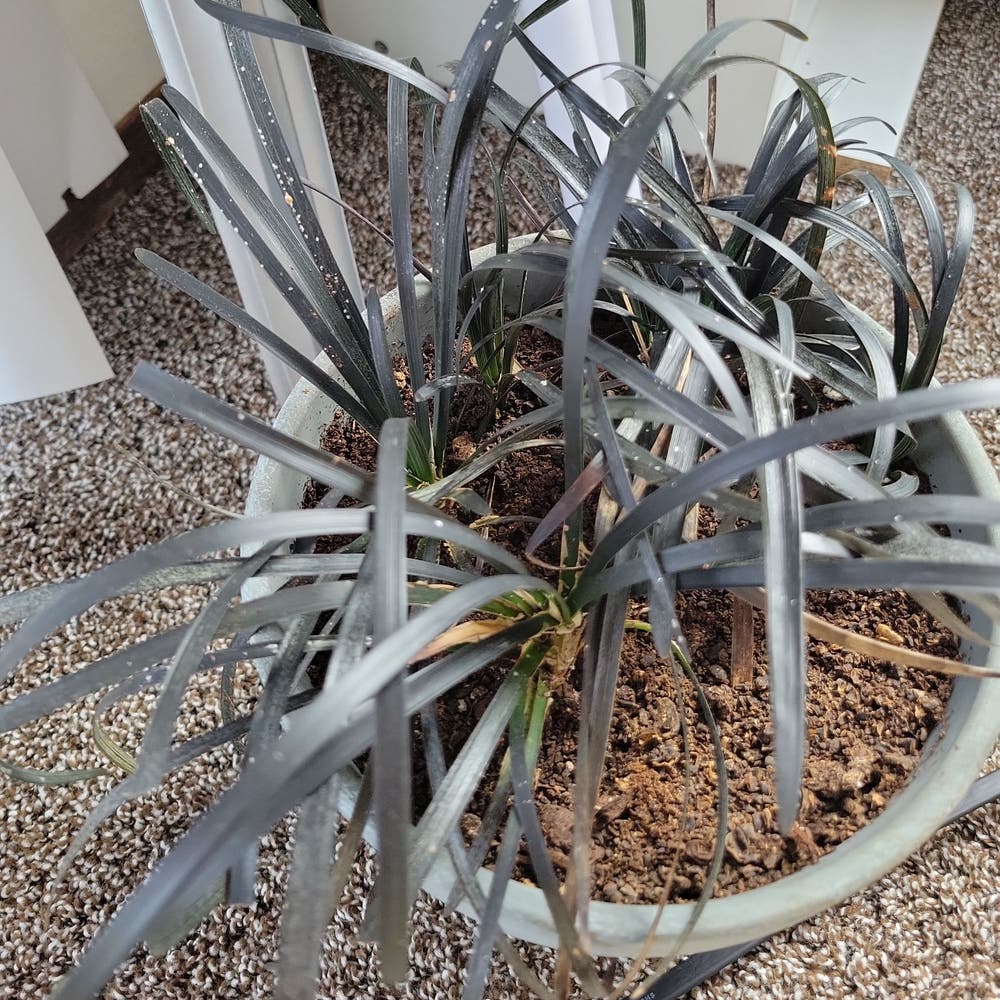
💧 Humidity Needs for Your Dwarf Mondo Grass
Ophiopogon japonicus 'Nana'
By the Greg Editorial Team
Oct 16, 2024•3 min read
This article was created with the help of AI so we can cover more plants for you. May contain errors. See one? Report it here.
- 🌱 Dwarf Mondo Grass thrives at 50%-70% humidity for optimal growth and health.
- 💧 Low humidity causes leaf curling and browning, while high humidity risks fungal diseases.
- 🏡 Regularly monitor humidity with a hygrometer to ensure ideal conditions for your grass.
Humidity Needs of Dwarf Mondo Grass
🌫️ Absolute vs. Relative Humidity
Understanding humidity is crucial for the health of your Dwarf Mondo Grass. Absolute humidity refers to the total water vapor in a volume of air, measured in grams per cubic meter.
In contrast, relative humidity is the percentage of moisture in the air compared to its maximum capacity at a specific temperature. This measure is more relevant for plant care, as it directly affects growth.
🌈 Ideal Humidity Levels
For optimal growth, aim for a relative humidity between 50% and 70%. This range supports lush, vibrant leaves and robust growth patterns.
When humidity levels are just right, your Dwarf Mondo Grass will thrive, showcasing its full potential.
📉 Effects of Low and High Humidity
Low humidity can lead to several distress signals in your plant. Symptoms include leaf curling, browning, and stunted growth.
Conversely, high humidity can create a breeding ground for problems. Look out for fungal diseases, leaf spots, and mold growth as indicators of excessive moisture.
🌍 Local Humidity Considerations
Assessing your local humidity is essential for effective plant care. Understanding your environment and using tools like hygrometers can help you gauge the conditions your Dwarf Mondo Grass is experiencing.
Humidity levels can fluctuate with the seasons. Adjust your care strategies accordingly to ensure your plant remains healthy year-round.
Additionally, consider the differences between indoor and outdoor humidity. Each environment presents unique challenges and opportunities for your Dwarf Mondo Grass.
💧 Strategies for Managing Humidity
🌿 Boosting Humidity
If your plant needs a humidity boost, consider using humidifiers. Different types are available, so choose one that fits your space and set it to maintain optimal levels.
Another effective method is creating pebble trays. Simply fill a shallow tray with pebbles and water, placing your plant on top. This setup helps increase humidity around the plant.
Grouping your Dwarf Mondo Grass with other humidity-loving plants can also create a microclimate that benefits all.
🌬️ Reducing Humidity
On the flip side, if humidity levels are too high, improving air circulation is key. Use fans or open windows to promote airflow around your plants.
Dehumidifiers can be a lifesaver in overly humid environments. Use them when necessary to maintain a balanced atmosphere.
Lastly, practice proper watering techniques. Overwatering can lead to excess humidity, so ensure you're only watering when needed.
📏 Humidity Measurement
To effectively manage humidity, invest in a good hygrometer. This tool will help you monitor levels and adjust as needed.
Understanding your readings is crucial. Familiarize yourself with ideal ranges for different growth stages to keep your Dwarf Mondo Grass thriving.
Watch for signs that indicate when to adjust humidity levels. Regular monitoring will help you respond promptly to your plant's needs, ensuring its continued health and vitality.
With these strategies in place, your Dwarf Mondo Grass will flourish, setting the stage for the next topic on humidity measurement tools and techniques.
⚠️ Safety First
This content is for general information and may contain errors, omissions, or outdated details. It is not medical, veterinary advice, or an endorsement of therapeutic claims.
Always consult a qualified healthcare professional before using any plant as food, medicine, or supplement.
Never eat any plant (or feed one to pets) without confirming its identity with at least two trusted sources.
If you suspect poisoning, call Poison Control (800) 222-1222, the Pet Poison Helpline (800) 213-6680, or your local emergency service immediately.
Spotted an error? Please report it here.
Keep your Dwarf Mondo Grass thriving 🌱 by using Greg's tailored tips and reminders to effortlessly maintain the ideal humidity levels for vibrant growth!